About the Black-backed Jackal
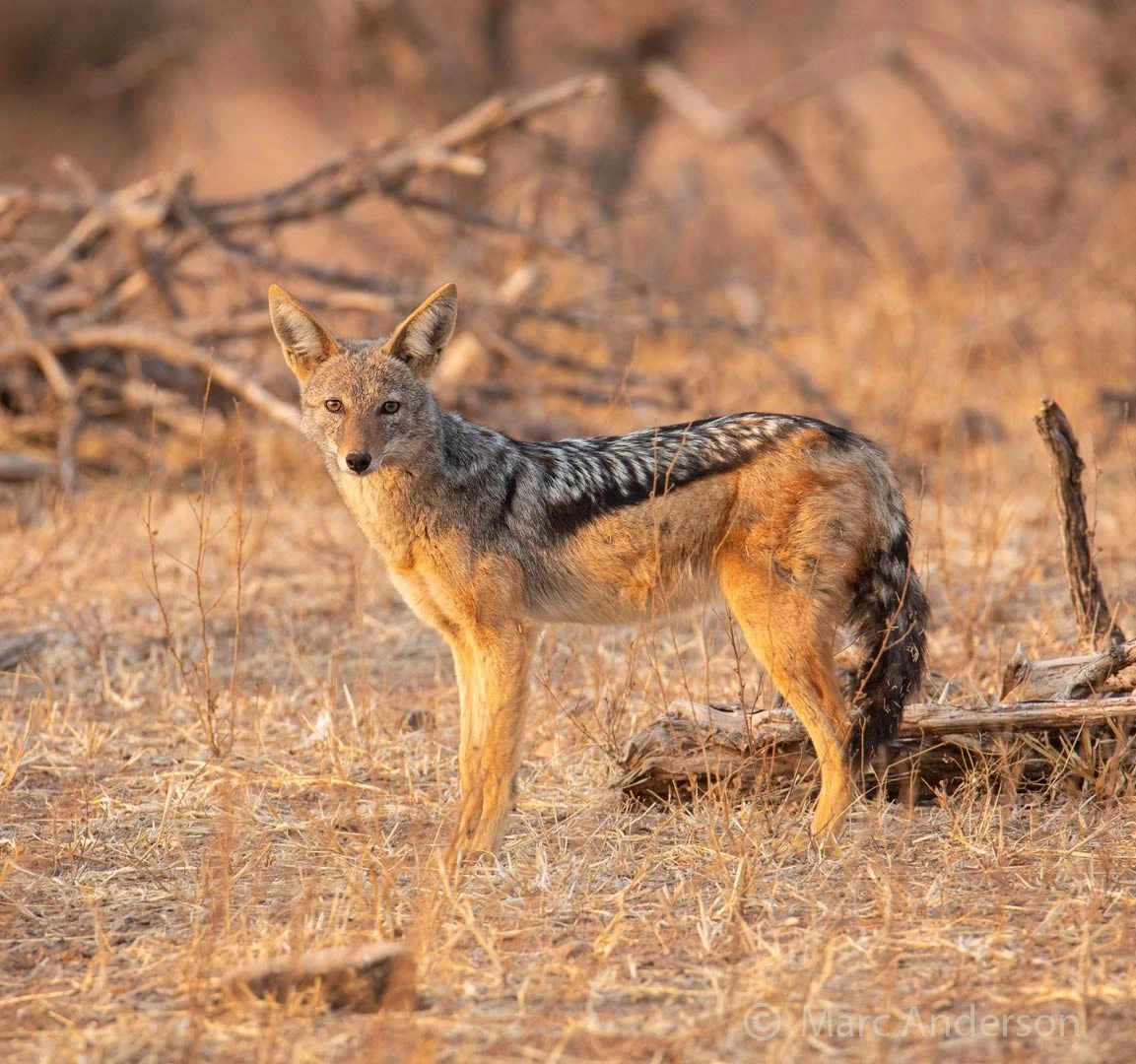
Black-backed jackals have reddish-brown flanks, pointed ears, a narrow muzzle and a distinctive black-and-silver saddle running from the shoulders toward the tail. Their light build and quick movements distinguish them from hyenas and larger canids.
Pairs commonly maintain territories and may cooperate in raising pups. They hunt small prey independently or as pairs, but also exploit carrion left by larger predators. Their sharp calls are often heard at dawn, dusk or after dark.
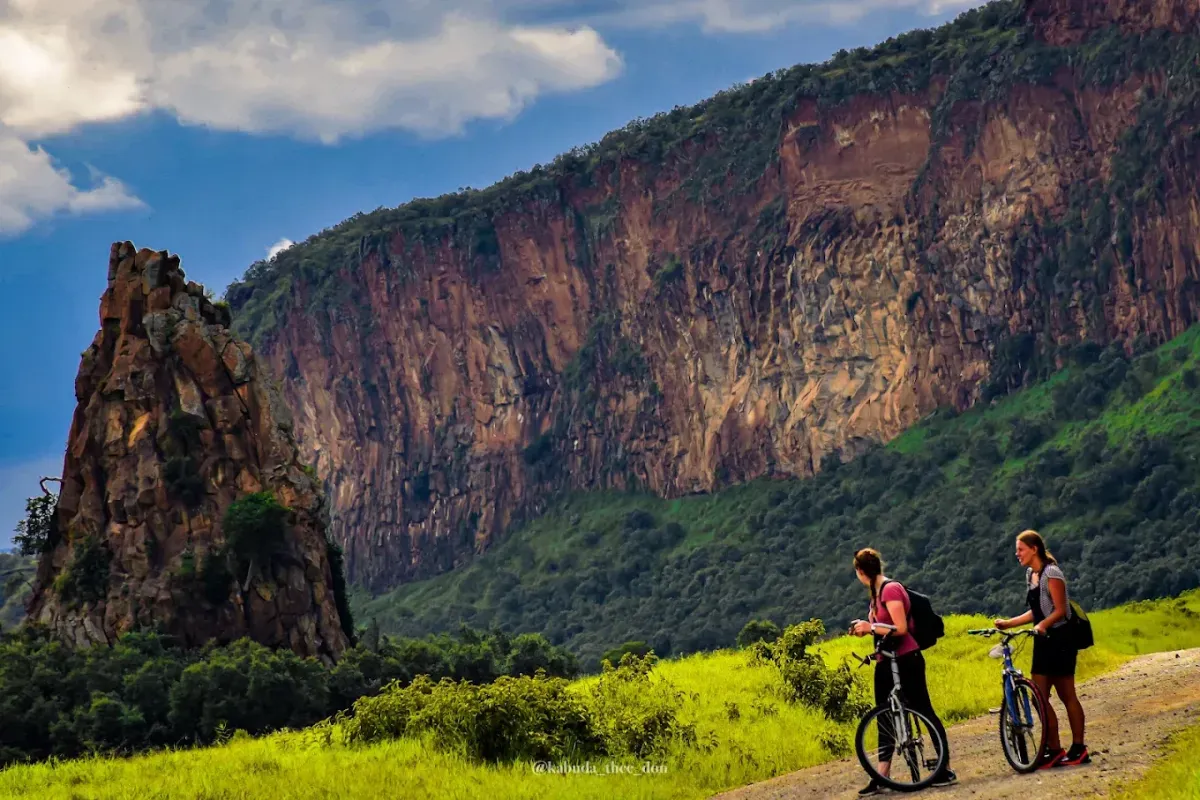
Safari context in Kenya: Within the current Greatlink Safaris destination network, useful places to look for this species include Hell's Gate National Park. Sightings remain natural and unpredictable, so Greatlink Safaris plans around habitat, season and realistic wildlife expectations rather than guarantees. Travellers can also explore the Kenya wildlife guide or compare private Kenya safaris that visit suitable ecosystems.
Conservation: The species remains widespread and is assessed as Least Concern, although local persecution and habitat change can affect populations outside protected landscapes. For the latest global assessment and taxonomic notes, consult the IUCN conservation reference. Kenya protected area information is also available from the Kenya Wildlife Service.
Interesting facts and identification clues
- Jackals are efficient opportunists and switch diet quickly when food availability changes.
- Pairs often form long-lasting social bonds.
- They sometimes shadow large predators from a safe distance for scavenging opportunities.
- Their pointed ears help detect small prey moving in grass.
- Good sightings often occur at first light when jackals are still moving across open ground.
Responsible viewing: Keep a respectful distance, avoid blocking the animal’s route, keep noise low and follow the driver guide’s instructions. Wildlife behaviour changes with weather, breeding, food, water and human pressure, so every encounter should be treated as an unscripted observation.
Content reviewed 1 Oct 2026