About the Coke's Hartebeest
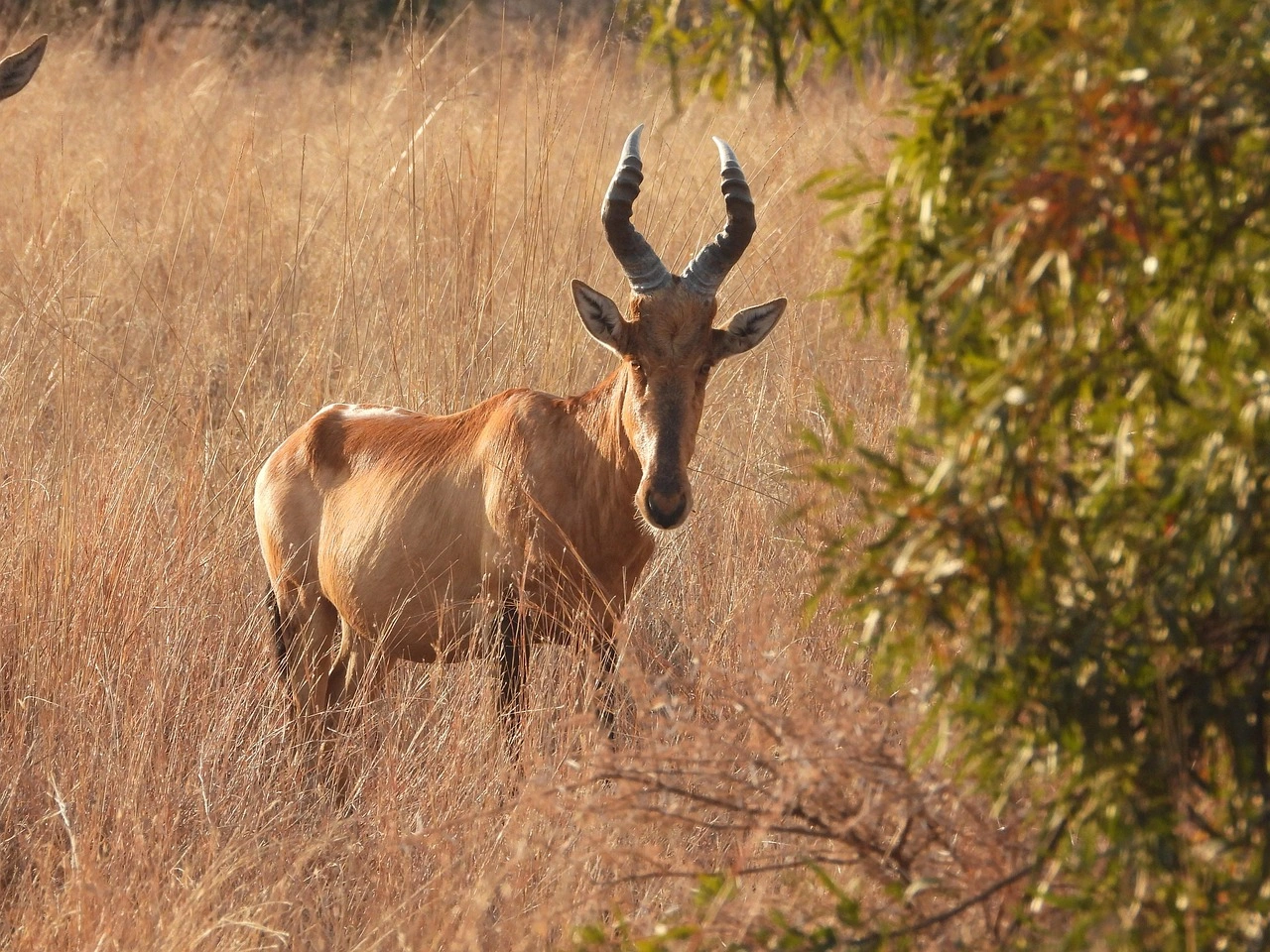
Hartebeest have a long narrow face, sloping back, high shoulders and strongly angled horns. Coke’s hartebeest is the common East African form in parts of Kenya and has a tan to reddish-brown coat.
They form small to medium herds and are strongly associated with open ground where long-distance vision helps detect predators. Adults can maintain good running speed over longer distances than many more compact antelopes.
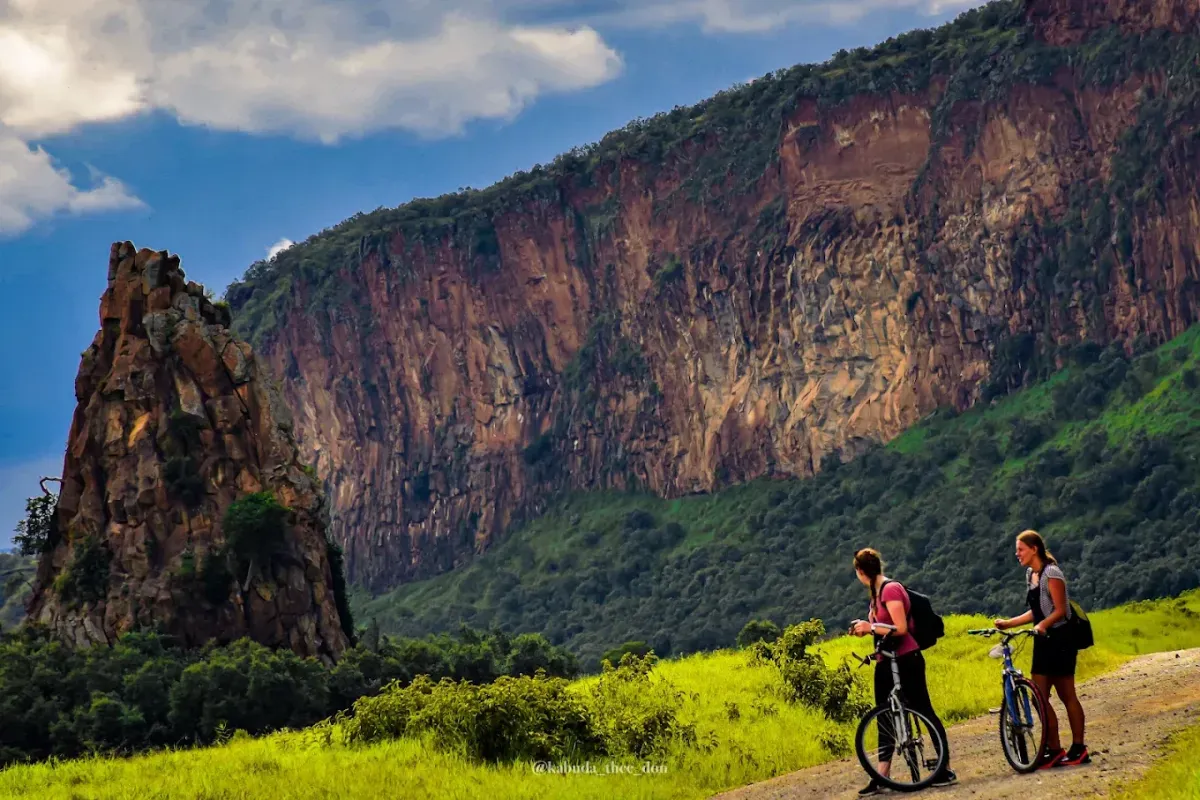
Safari context in Kenya: Within the current Greatlink Safaris destination network, useful places to look for this species include Hell's Gate National Park and Nairobi National Park. Sightings remain natural and unpredictable, so Greatlink Safaris plans around habitat, season and realistic wildlife expectations rather than guarantees. Travellers can also explore the Kenya wildlife guide or compare private Kenya safaris that visit suitable ecosystems.
Conservation: The hartebeest species is assessed as Least Concern globally, although several regional populations and subspecies have declined because of habitat loss, hunting and livestock expansion. For the latest global assessment and taxonomic notes, consult the IUCN conservation reference. Kenya protected area information is also available from the Kenya Wildlife Service.
Interesting facts and identification clues
- The unusually long face allows the eyes to sit high and provide a wide field of view.
- High shoulders and long legs are useful for sustained running.
- Hartebeest often graze taller or coarser grasses than Thomson’s gazelles.
- Calves can stand and move soon after birth.
- Look for them on open plains rather than dense bush.
Responsible viewing: Keep a respectful distance, avoid blocking the animal’s route, keep noise low and follow the driver guide’s instructions. Wildlife behaviour changes with weather, breeding, food, water and human pressure, so every encounter should be treated as an unscripted observation.
Content reviewed 1 Oct 2026