About the Hirola
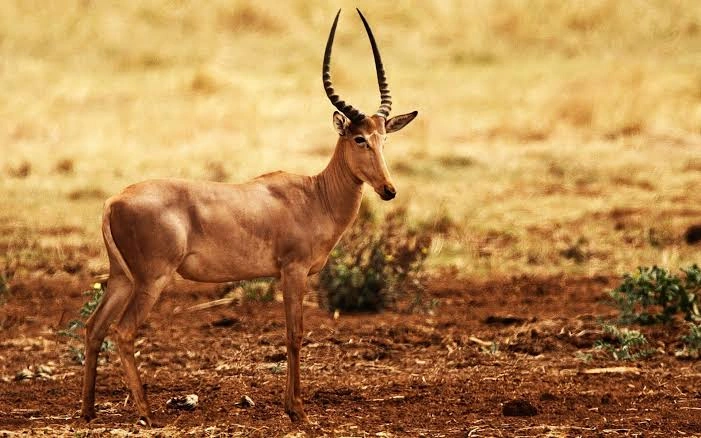
Hirola are medium-sized tan antelopes with long lyre-shaped horns, a white line between the eyes and prominent dark preorbital glands. Older males can develop a greyer coat.
They live in small groups and depend on open, well-managed grassland. Hirola are selective grazers and respond strongly to changes in grass height, woody encroachment and water availability.
Safari context in Kenya: Within the current Greatlink Safaris destination network, useful places to look for this species include Tsavo East National Park. Sightings remain natural and unpredictable, so Greatlink Safaris plans around habitat, season and realistic wildlife expectations rather than guarantees. Travellers can also explore the Kenya wildlife guide or compare private Kenya safaris that visit suitable ecosystems.
Conservation: Hirola are Critically Endangered and survive in a very restricted range. Conservation work in eastern Kenya focuses on habitat restoration, anti-poaching, predator management where appropriate and community-led protection. For the latest global assessment and taxonomic notes, consult the IUCN conservation reference. Kenya protected area information is also available from the Kenya Wildlife Service.
Interesting facts and identification clues
- Hirola occur naturally in a very small part of eastern Kenya and neighbouring Somalia.
- They are sometimes called Hunter’s antelope.
- Loss of open grassland through woody encroachment is a major conservation issue.
- Sightings on standard safari circuits are exceptional and should never be promised.
- Greatlink treats the species as a conservation highlight rather than a guaranteed safari sighting.
Responsible viewing: Keep a respectful distance, avoid blocking the animal’s route, keep noise low and follow the driver guide’s instructions. Wildlife behaviour changes with weather, breeding, food, water and human pressure, so every encounter should be treated as an unscripted observation.
Content reviewed 1 Oct 2026