About the Rothschild's Giraffe
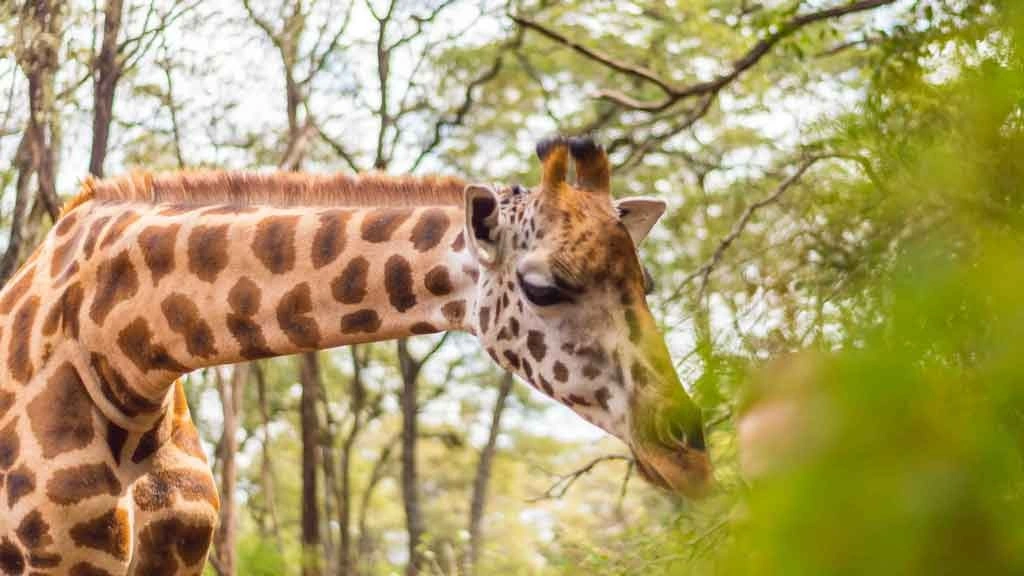
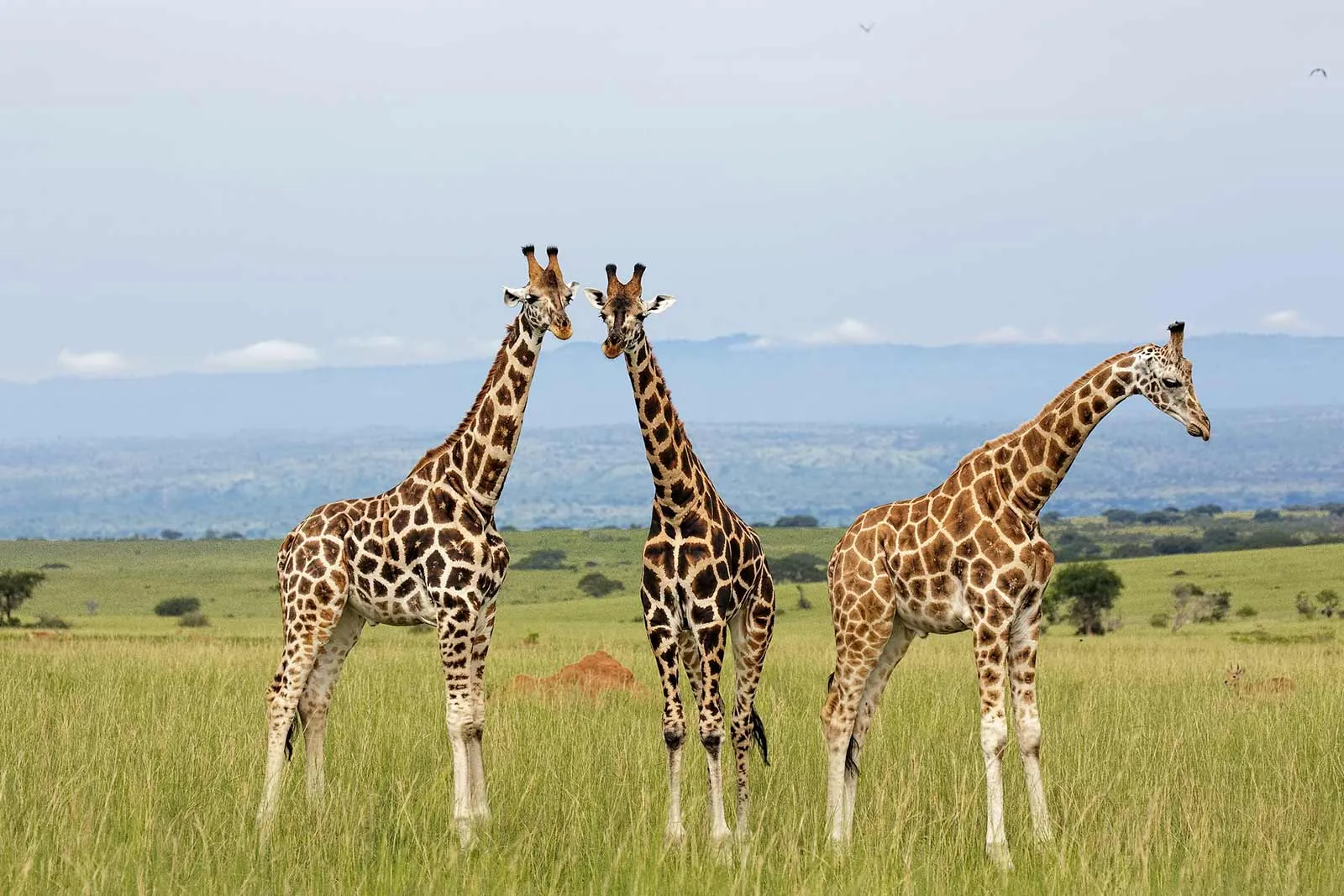
These giraffes are generally paler than reticulated giraffes, with large irregular patches and characteristically pale lower legs. Older field guides often list them as a separate Rothschild’s subspecies.
They form flexible social groups typical of giraffes. Conservation populations in Kenya have been established or reinforced through managed translocations to secure the lineage in suitable protected areas.
Safari context in Kenya: Within the current Greatlink Safaris destination network, useful places to look for this species include Giraffe Centre. Sightings remain natural and unpredictable, so Greatlink Safaris plans around habitat, season and realistic wildlife expectations rather than guarantees. Travellers can also explore the Kenya wildlife guide or compare private Kenya safaris that visit suitable ecosystems.
Conservation: Modern genetic and taxonomic work treats Rothschild’s giraffe within the Nubian giraffe. The Nubian giraffe has been assessed as Critically Endangered, while an older Rothschild-specific IUCN assessment listed that former subspecies as Near Threatened; the 2025 IUCN SSC taxonomic review recognises the broader northern giraffe framework. For the latest global assessment and taxonomic notes, consult the IUCN conservation reference. Kenya protected area information is also available from the Kenya Wildlife Service.
Interesting facts and identification clues
- Rothschild’s giraffe is now generally treated as genetically part of the Nubian giraffe.
- The lower legs are often pale below the knees, giving a white-stocking appearance.
- The Giraffe Centre in Nairobi has played an important role in Kenyan conservation breeding and education.
- Taxonomy has changed substantially, so older safari books may use different scientific names.
- Use the current Greatlink destination guide for the Giraffe Centre to understand the conservation context.
Responsible viewing: Keep a respectful distance, avoid blocking the animal’s route, keep noise low and follow the driver guide’s instructions. Wildlife behaviour changes with weather, breeding, food, water and human pressure, so every encounter should be treated as an unscripted observation.
Content reviewed 1 Oct 2026