About the Chimpanzee
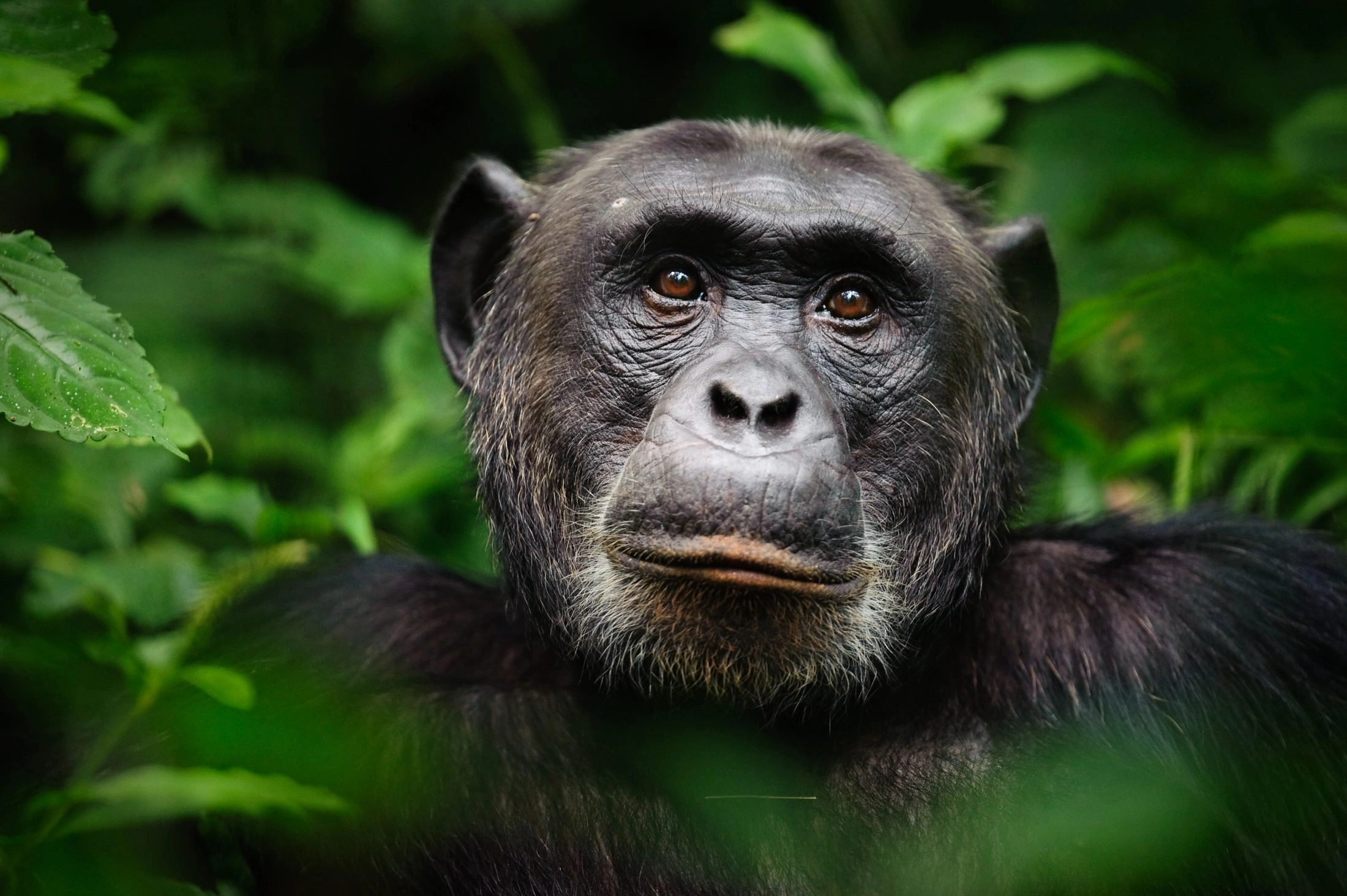
Chimpanzees are great apes with long arms, dark hair, expressive bare faces and highly dexterous hands. They share many behavioural traits with humans, including tool use, social learning and complex communication.
Wild chimpanzees live in flexible fission-fusion communities in forested parts of equatorial Africa. The chimpanzees at Ol Pejeta are rescued animals living in a protected sanctuary setting and should not be presented as a native Kenyan wild population.
Safari context in Kenya: Within the current Greatlink Safaris destination network, useful places to look for this species include Ol Pejeta Conservancy. Sightings remain natural and unpredictable, so Greatlink Safaris plans around habitat, season and realistic wildlife expectations rather than guarantees. Travellers can also explore the Kenya wildlife guide or compare private Kenya safaris that visit suitable ecosystems.
Conservation: Chimpanzees are Endangered because of habitat loss, hunting, disease and illegal wildlife trade. Sanctuary care focuses on welfare, long-term protection and education. For the latest global assessment and taxonomic notes, consult the IUCN conservation reference. Kenya protected area information is also available from the Kenya Wildlife Service.
Interesting facts and identification clues
- Kenya has no native wild chimpanzee population.
- Sweetwaters Chimpanzee Sanctuary at Ol Pejeta cares for rescued chimpanzees from several countries.
- Chimpanzees use tools and learn behaviours socially.
- Their sanctuary story is primarily about rescue and conservation rather than a conventional game-drive sighting.
- Visitors should follow all sanctuary rules and avoid feeding or attempting direct contact.
Responsible viewing: Keep a respectful distance, avoid blocking the animal’s route, keep noise low and follow the driver guide’s instructions. Wildlife behaviour changes with weather, breeding, food, water and human pressure, so every encounter should be treated as an unscripted observation.
Content reviewed 1 Oct 2026