
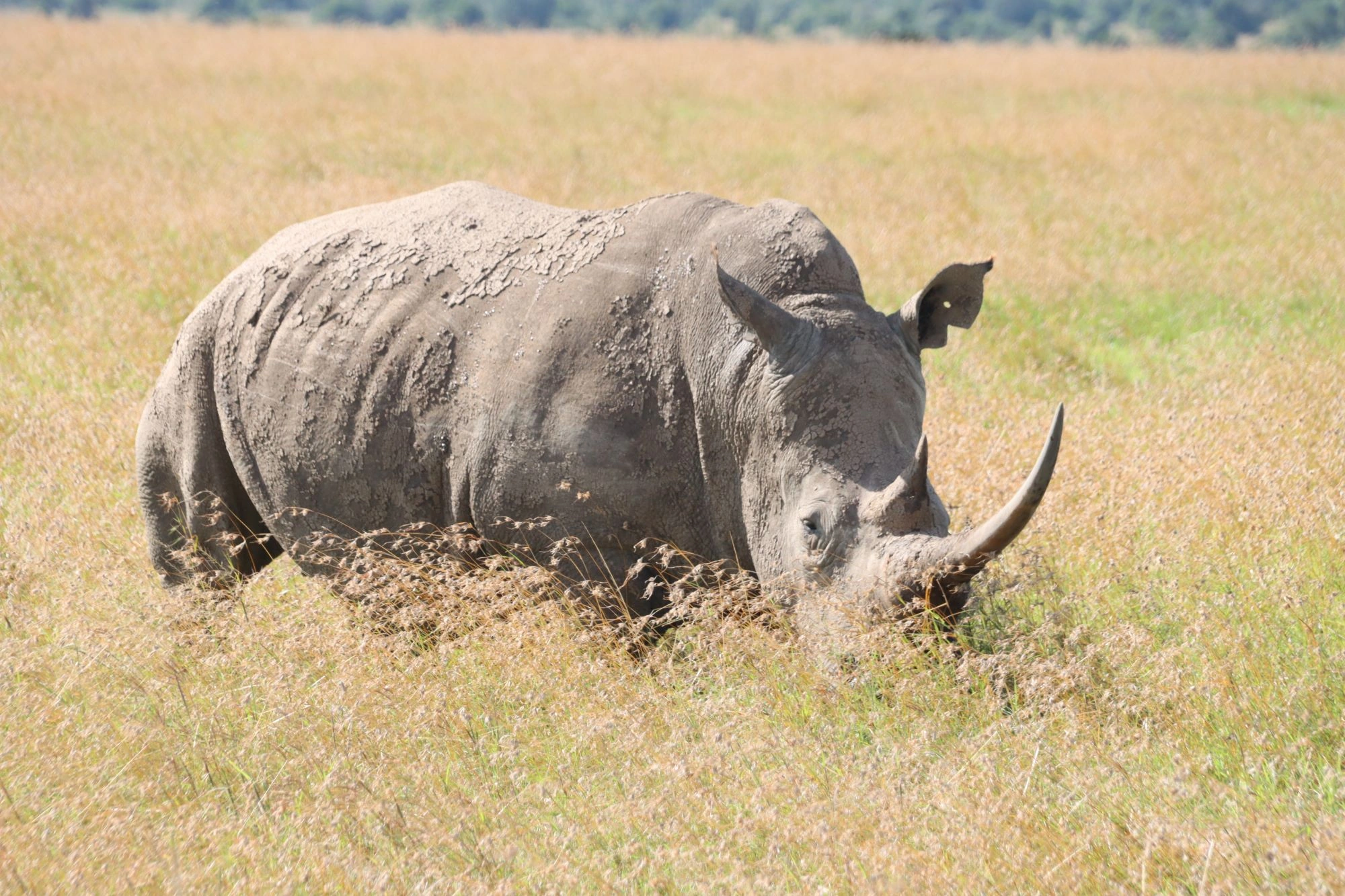
 Black Rhinoceros
Common
Overview
Ol Pejeta Conservancy Travel Guide
Ol Pejeta Conservancy is one of Kenya’s strongest examples of wildlife tourism working alongside active conservation. Set on the Laikipia plains between the Aberdare foothills and Mount Kenya, it combines excellent game viewing with some of the country’s most important endangered-species work.
Both black and southern white rhinos are regularly seen, while a protected enclosure is home to the world’s last two northern white rhinos. Ol Pejeta also hosts the Sweetwaters Chimpanzee Sanctuary, which cares for rescued chimpanzees that are not native to Kenya. Beyond the conservation attractions, the conservancy supports elephant, buffalo, lion, cheetah, spotted hyena, reticulated giraffe, Grevy’s zebra and many other species.
Ol Pejeta fits naturally between northern Kenya and the Rift Valley. It can follow Samburu or precede Lake Nakuru National Park and Lake Naivasha on a private circuit.
Why Visit Ol Pejeta Conservancy?
- Rhino conservation: one of East Africa’s most important black-rhino strongholds.
- Northern white rhinos: the last two surviving northern white rhinos live in a protected enclosure.
- Chimpanzee sanctuary: Sweetwaters provides lifelong refuge for rescued chimpanzees.
- Big Five: all five occur, although leopard is the least predictable.
- Conservation experiences: additional activities can include lion tracking, night drives, dog-unit visits and other specialist experiences.
- Mount Kenya views: clear days can produce memorable wildlife photographs with Mount Kenya in the distance.
Scenery & Habitats
Ol Pejeta stretches across high-altitude Laikipia grasslands, woodland, riverine forest and wetland habitat. The setting between the Aberdare range and Mount Kenya gives many wildlife encounters a dramatic backdrop, while the Ewaso Nyiro system adds important riparian habitat.
Activities
Standard game drives are complemented by an unusually broad selection of conservation-focused activities. Depending on availability and current operating rules, visitors can book experiences such as lion tracking, night drives, horse riding, anti-poaching dog-unit visits and managed northern white rhino encounters. The Sweetwaters Chimpanzee Sanctuary and visitor information areas add an educational dimension to a stay.
Wildlife
Wildlife in Ol Pejeta Conservancy
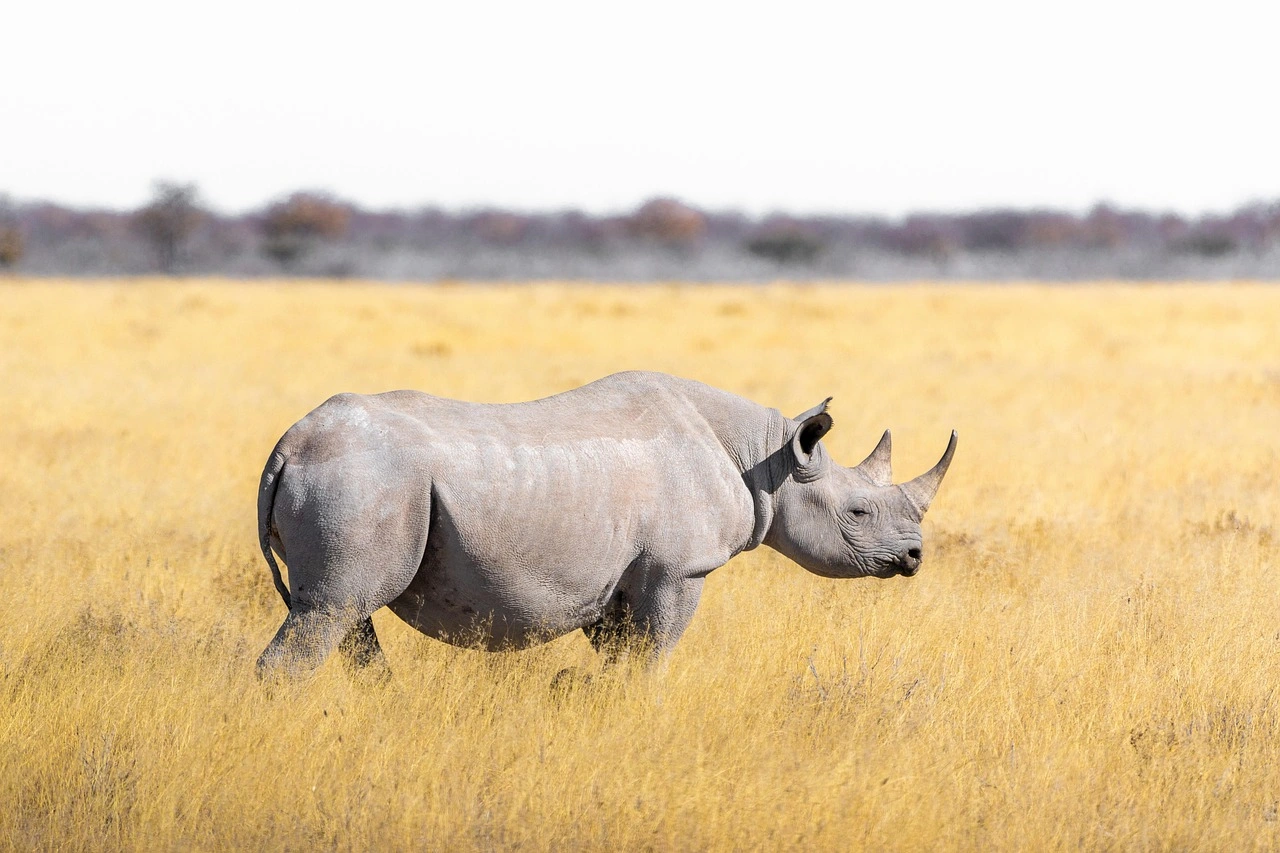
Ol Pejeta offers some of Kenya’s most reliable rhino viewing and supports all of the Big Five. Black and southern white rhinos are commonly encountered, while the northern white rhinos live under intensive protection. Lion, buffalo and elephant are regular safari sightings; cheetah and wild dog are less predictable, and leopard is usually the hardest of the major predators to find. The conservancy also holds northern species such as reticulated giraffe, Grevy’s zebra and Beisa oryx.
AbundantCommonOccasionalRareNone
Black Rhinoceros
Common
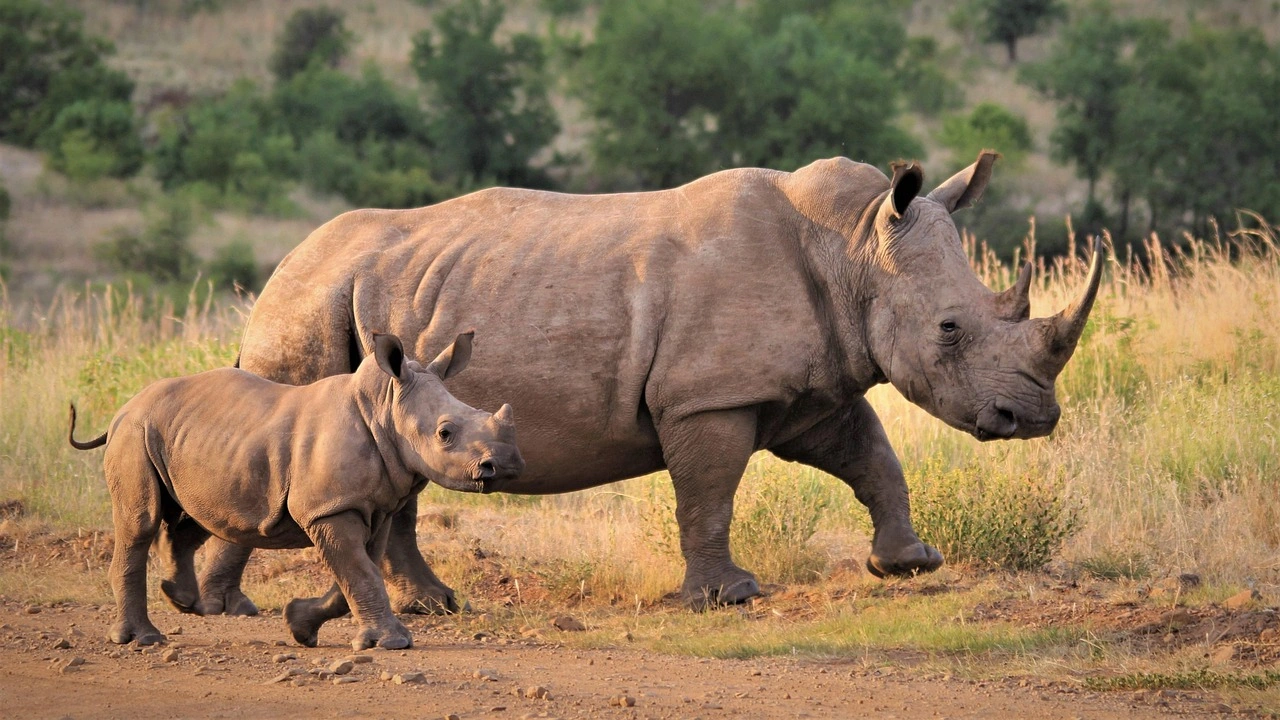 White Rhinoceros
Common
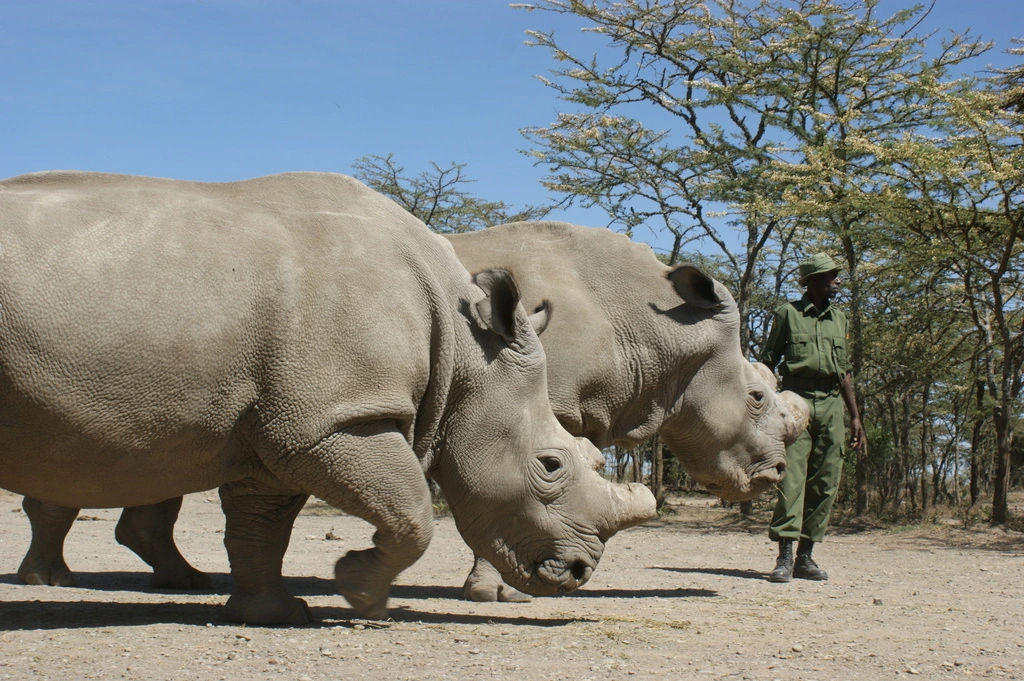 Northern White Rhinoceros
Rare
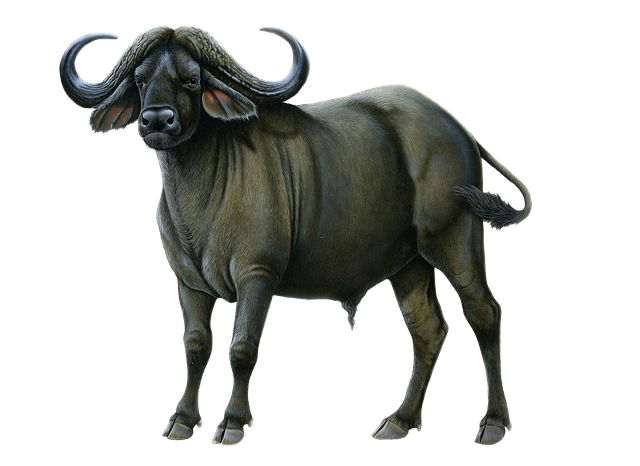 African Buffalo
Abundant
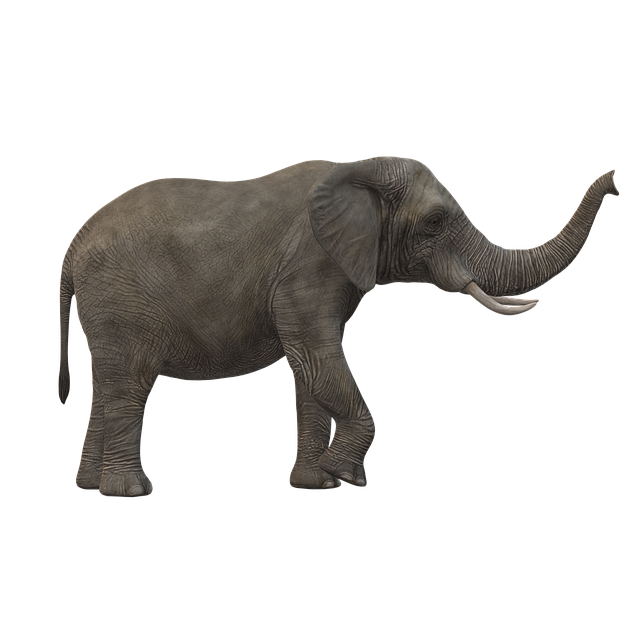 African Elephant
Common
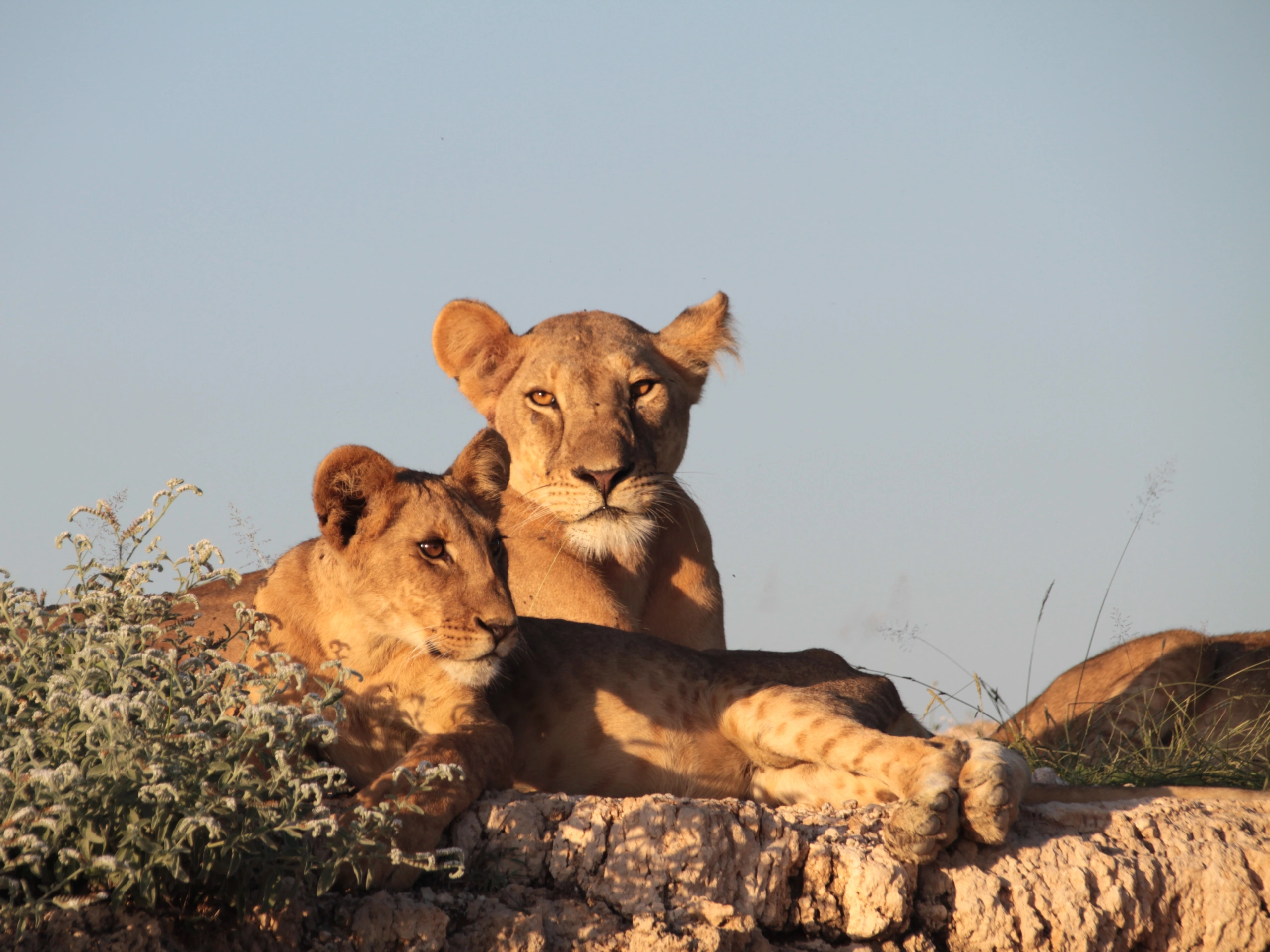 Lion
Common
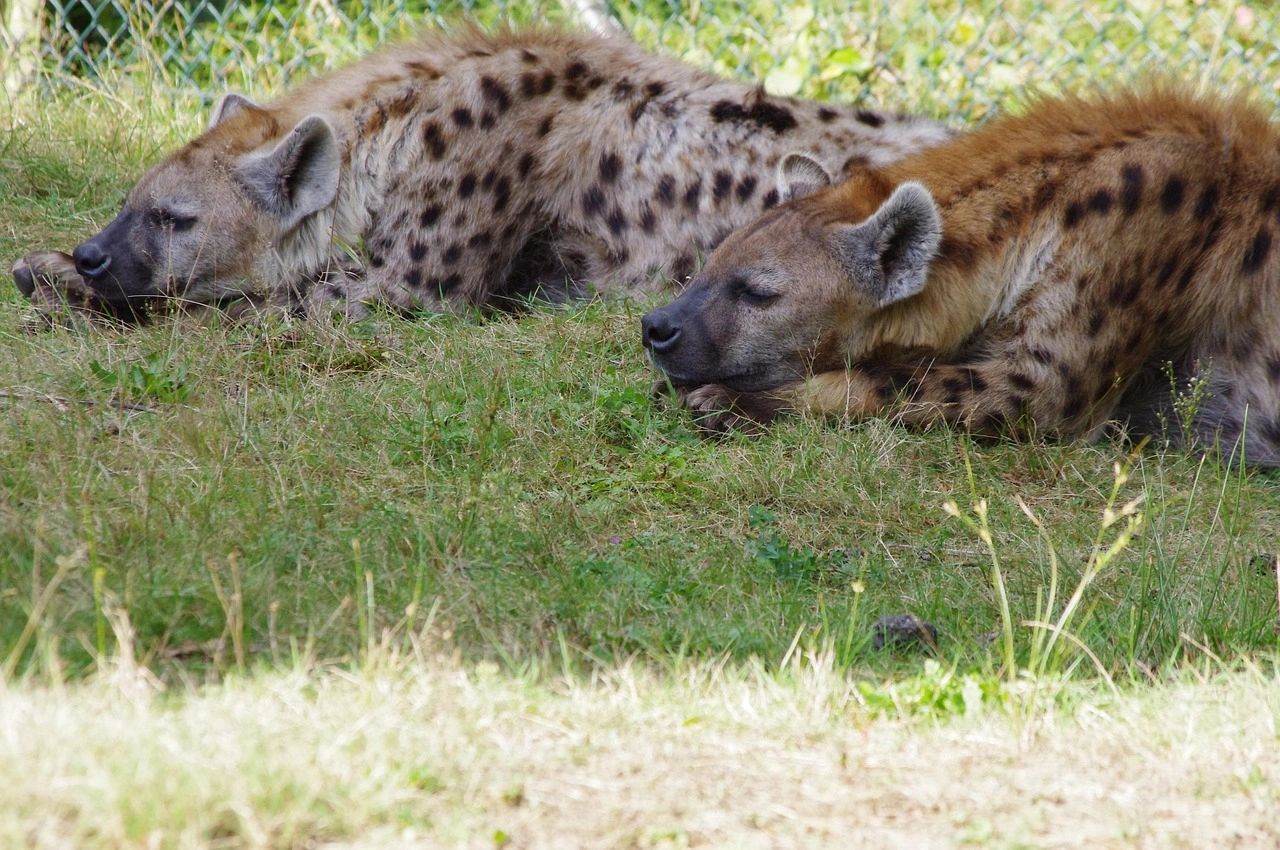 Spotted Hyena
Common
 Reticulated Giraffe
Common
 Grevy's Zebra
Common
 Beisa Oryx
Common
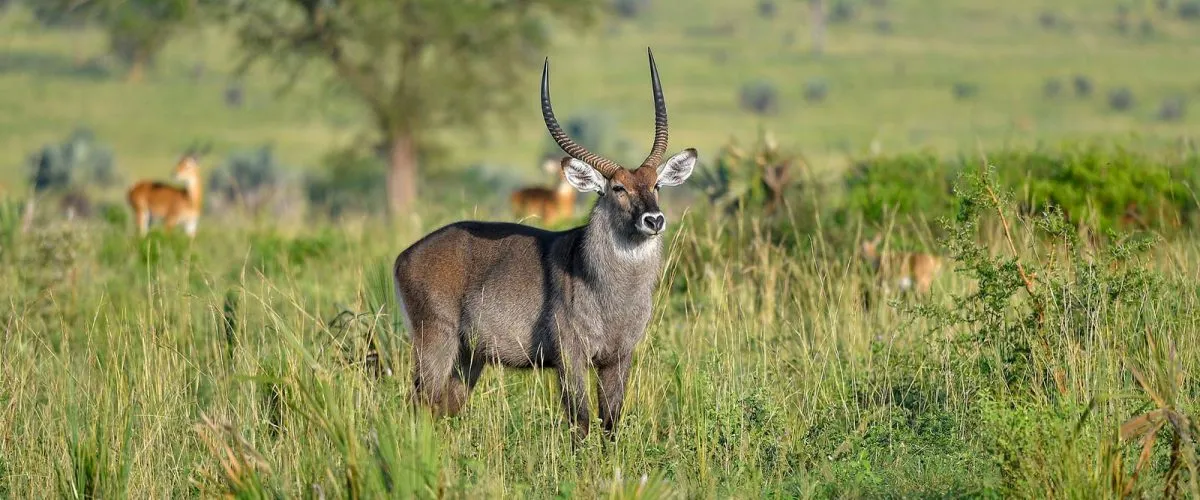 Defassa Waterbuck
Common
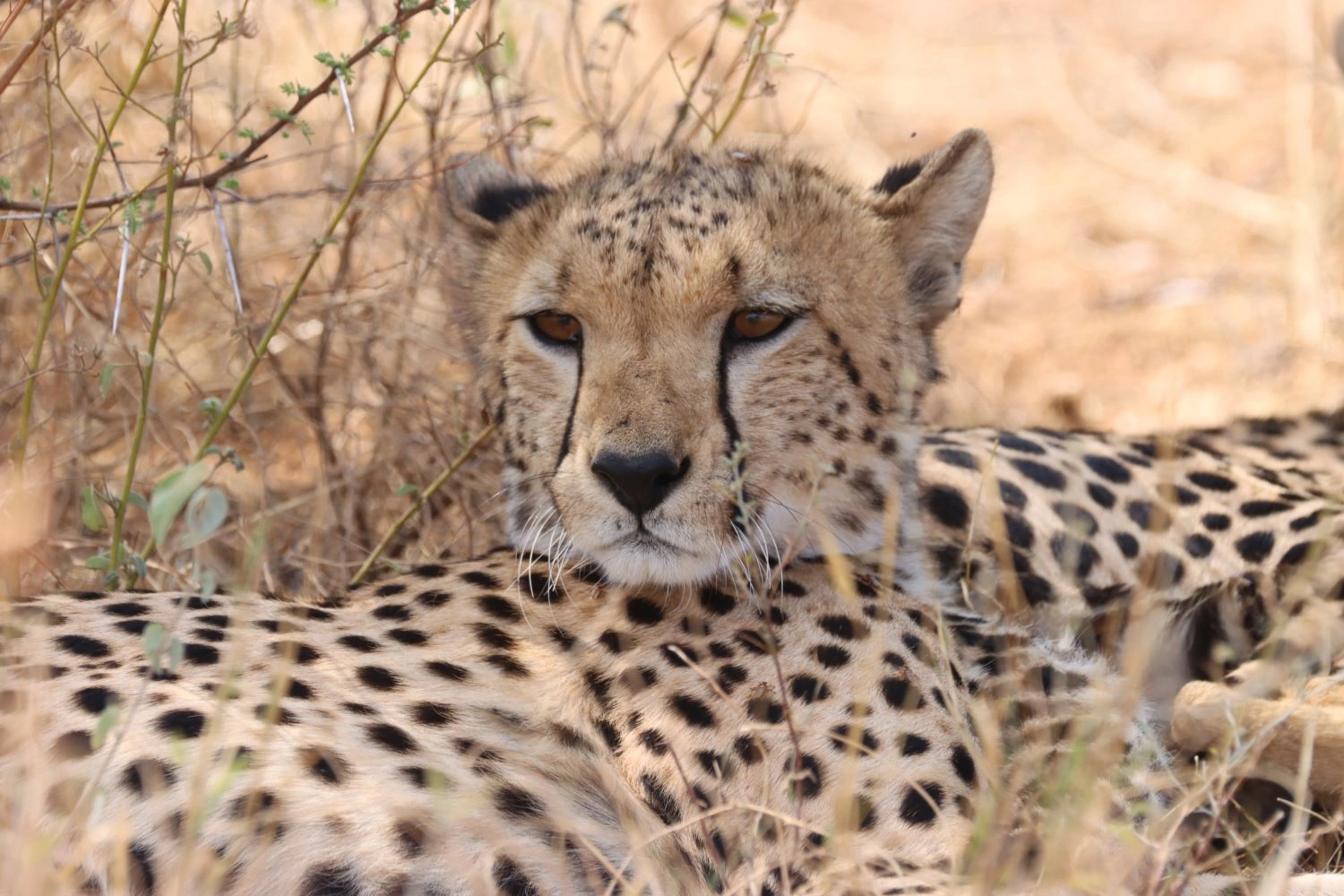 Cheetah
Occasional
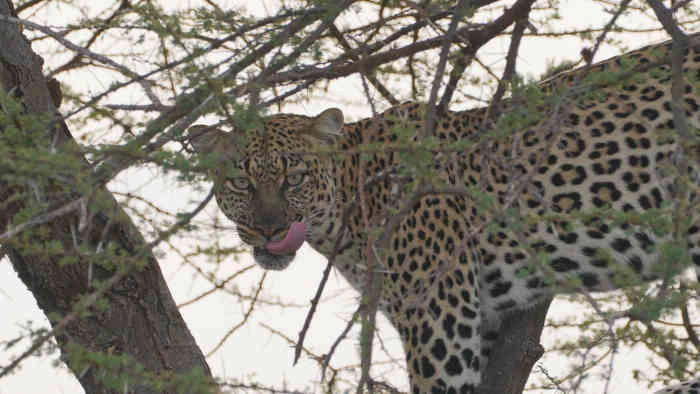 Leopard
Rare
 African Wild Dog
Rare
 Chimpanzee
Common
Birding
Birds of Ol Pejeta Conservancy
More than 500 bird species have been recorded at Ol Pejeta. Grassland, woodland, wetland and riverine habitats support a wide mix of resident birds and migrants. Black-winged lapwing, Hildebrandt’s starling, rosy-throated longclaw and secretary bird are among the notable species, while migrants are most evident from November to April.
Notable Birds in Ol Pejeta Conservancy
Black-winged Lapwing
Common
Hildebrandt's Starling
Common
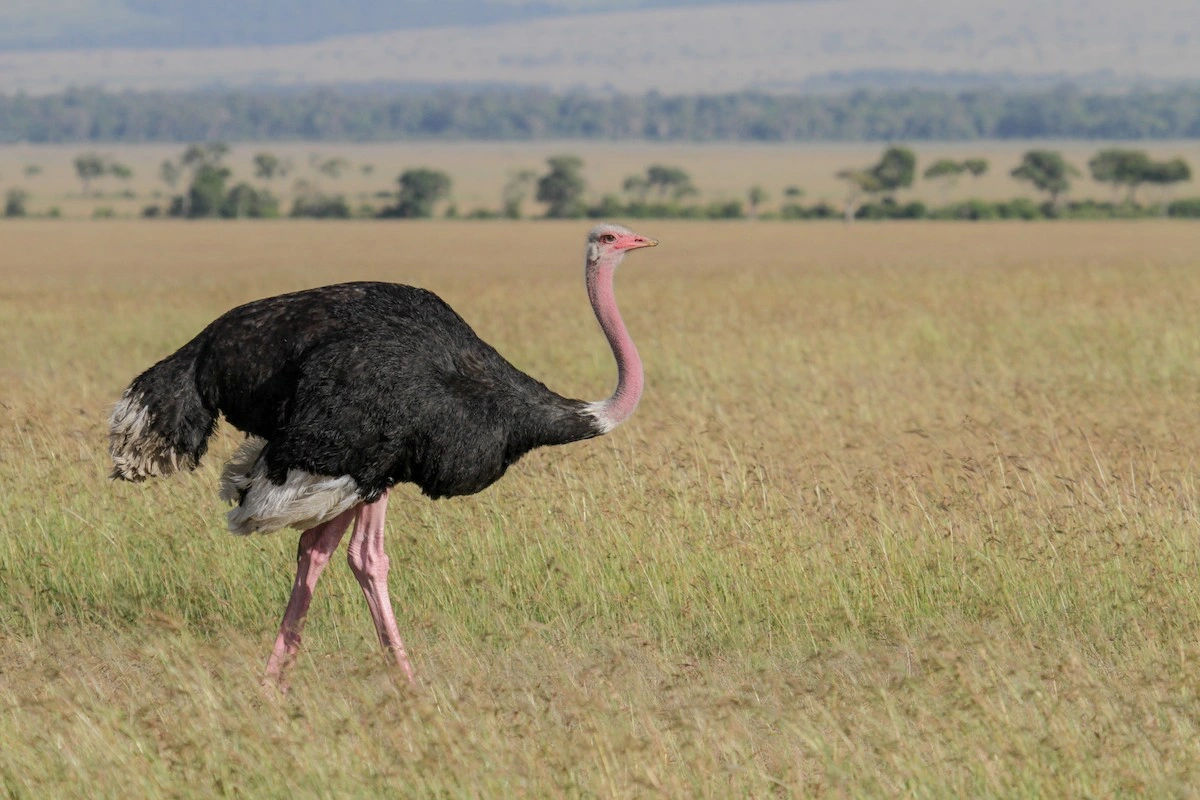
Rosy-throated Longclaw
Common
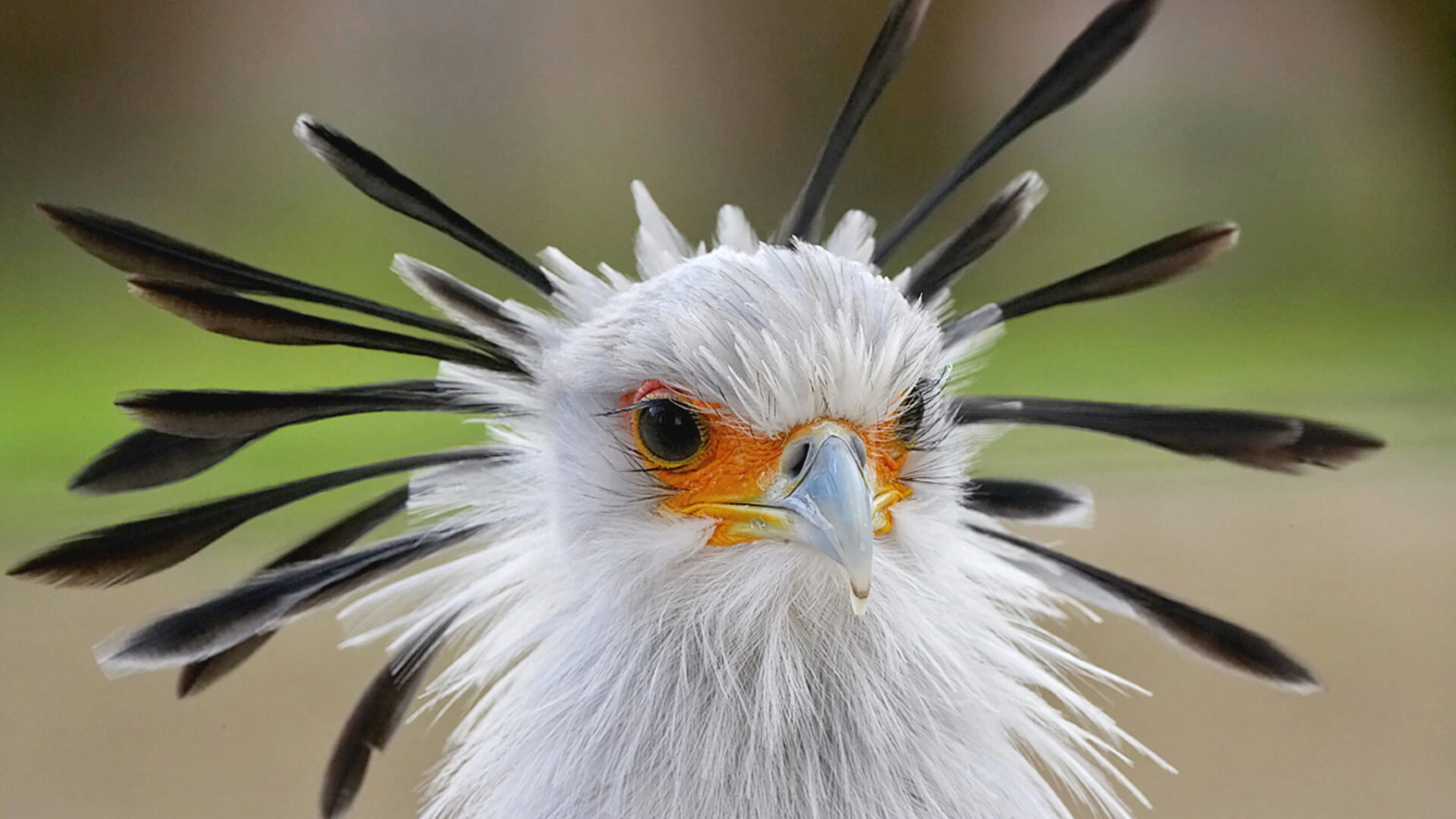
Birding Specials
Treats for avid birders(NE) near-endemic = mainly restricted to Kenya and neighbouring areas.
- Abyssinian Scimitarbill
- Amethyst Sunbird
- Blue-naped Mousebird
- Buff-crested Bustard
- Cinnamon-chested Bee-eater
- D'Arnaud's Barbet
- Kenya Rufous Sparrow
- Kori Bustard
- Long-billed Pipit
- Montagu's Harrier
- Nubian Woodpecker
Planning by season
Best Time To Visit Ol Pejeta Conservancy
June to September is the most reliable period for general wildlife viewing because roads are drier and vegetation is less dense. December to February is another very good window.
- June–September: dry-season wildlife viewing, reliable roads and cooler mornings.
- December–February: generally drier between the two rainy periods.
- October–May: greener landscapes, newborn animals and strong birding; April and November can be particularly wet.
Climate guide
Weather & Climate
Ol Pejeta’s high elevation creates a mild climate. Daytime temperatures are usually comfortable, while dawn and night can be cold enough to require a warm layer. The long rains fall mainly from March to May, and short rains usually peak around November. Black-cotton soils can become difficult after heavy rain, making 4×4 transport especially important in wet conditions.
Route planning
How To Get To Ol Pejeta Conservancy
By road: Ol Pejeta lies near Nanyuki, roughly 210–220 km from Nairobi. The drive normally takes about four hours depending on traffic and road conditions.
By air: scheduled flights operate to Nanyuki, followed by a road transfer to the conservancy.
Official information and booking: use the official Ol Pejeta Conservancy website. Entry and selected experiences can be booked through the conservancy’s official online booking portal. Rates and activity availability should always be checked there for current information.
What to do
Experiences in Ol Pejeta Conservancy
These experience guides are linked directly to this destination.
ConservationRhino Conservation ExperienceExplore experience
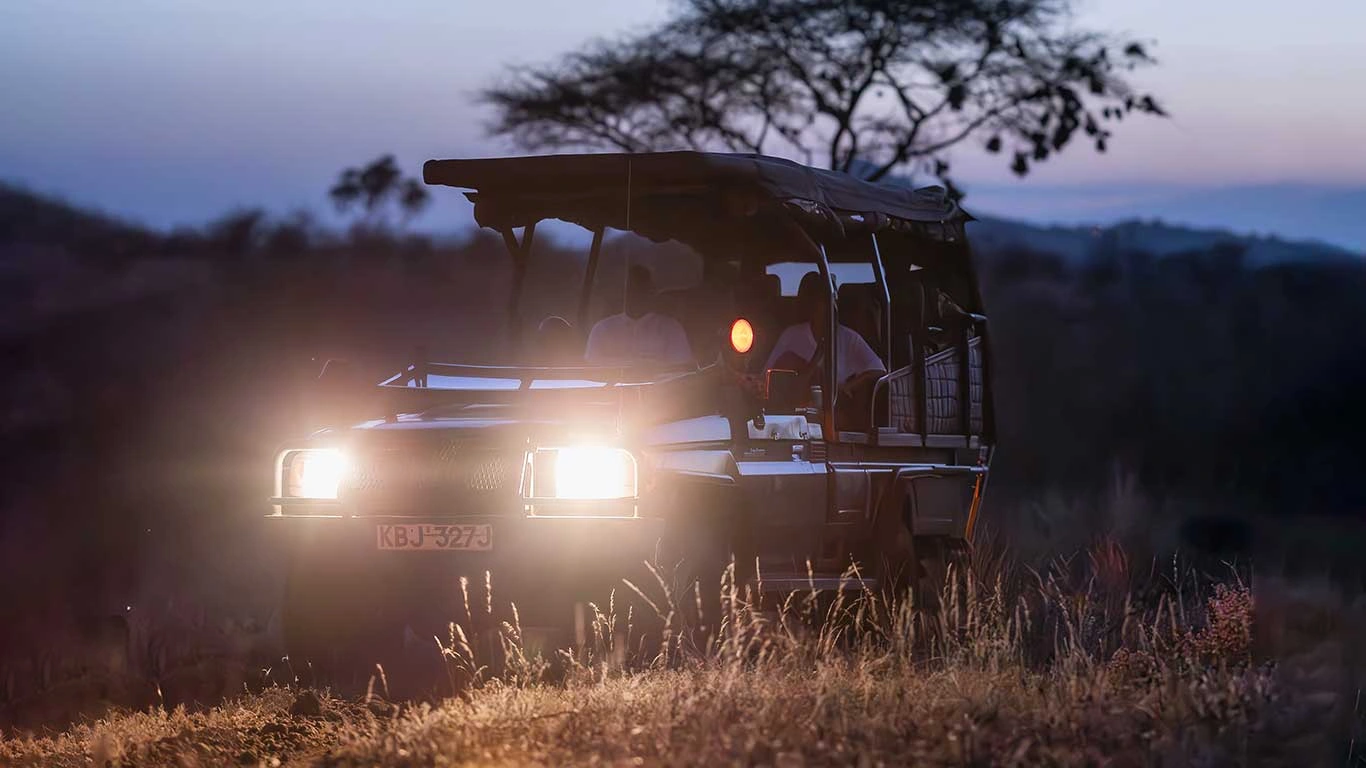
WildlifeNight Game DriveExplore experience
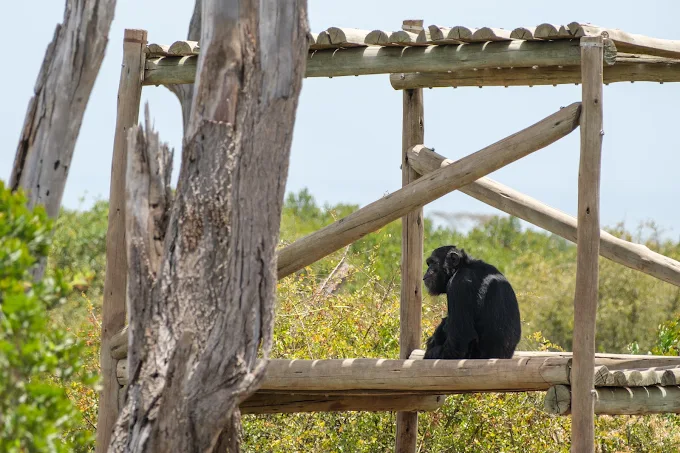
ConservationChimpanzee Sanctuary ExperienceExplore experience
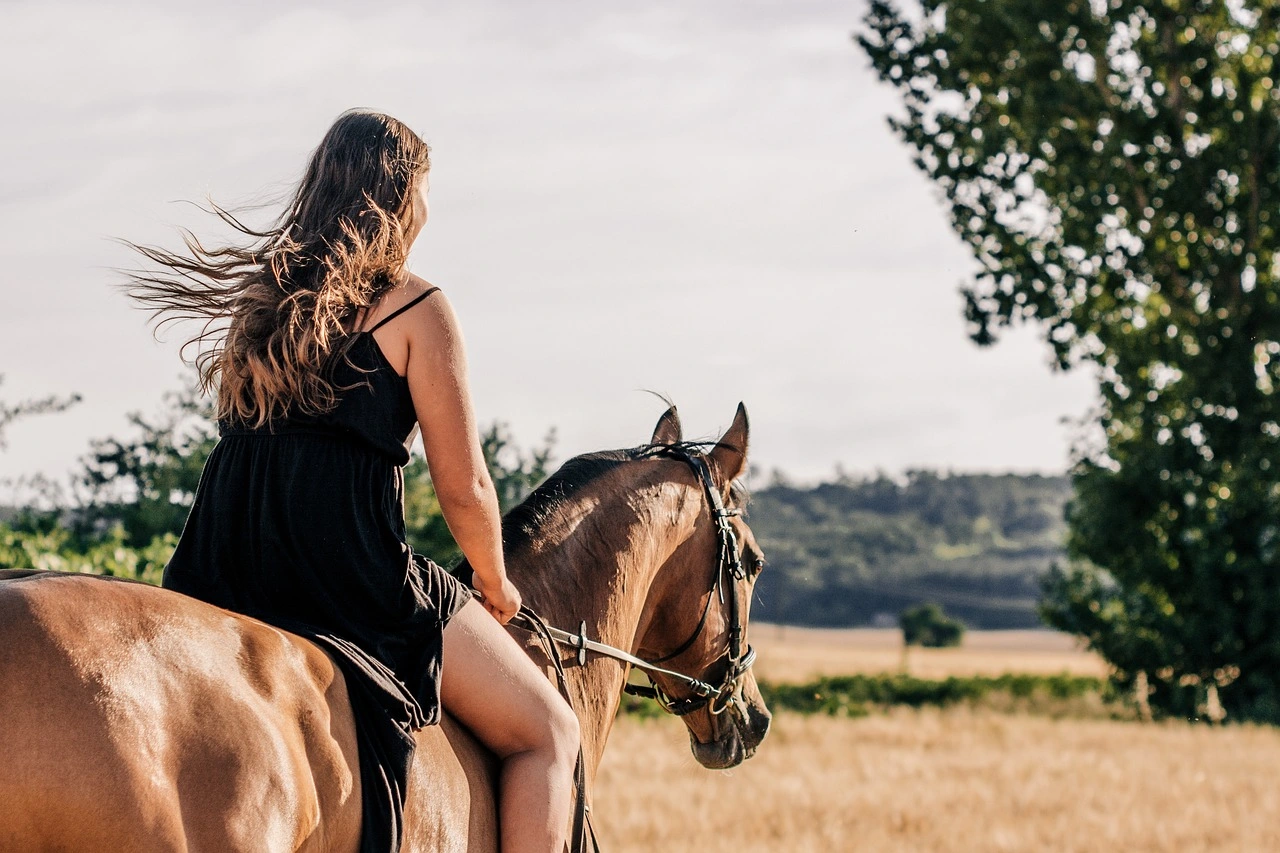
AdventureHorseback SafariExplore experience

PhotographyPhotographic Hide ExperienceExplore experience
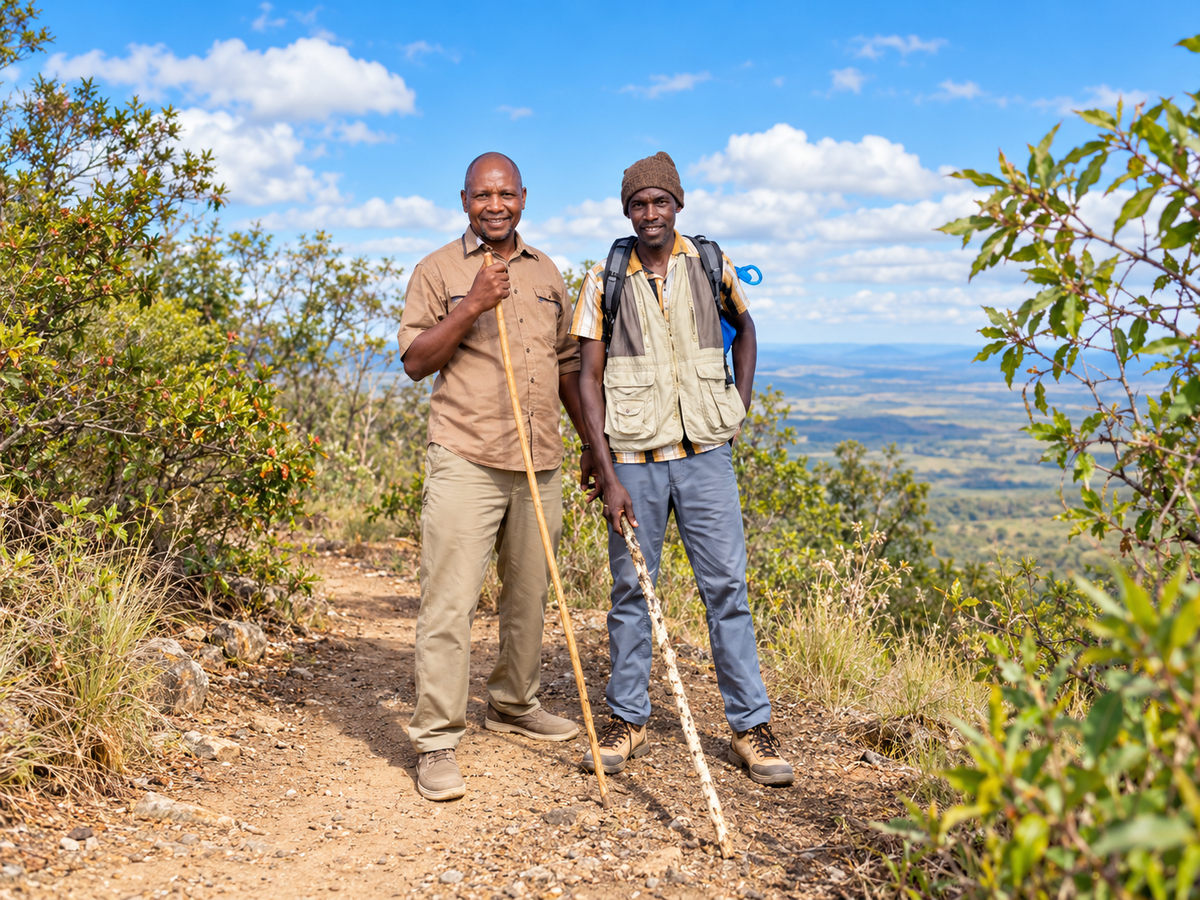
AdventureWalking SafariExplore experience
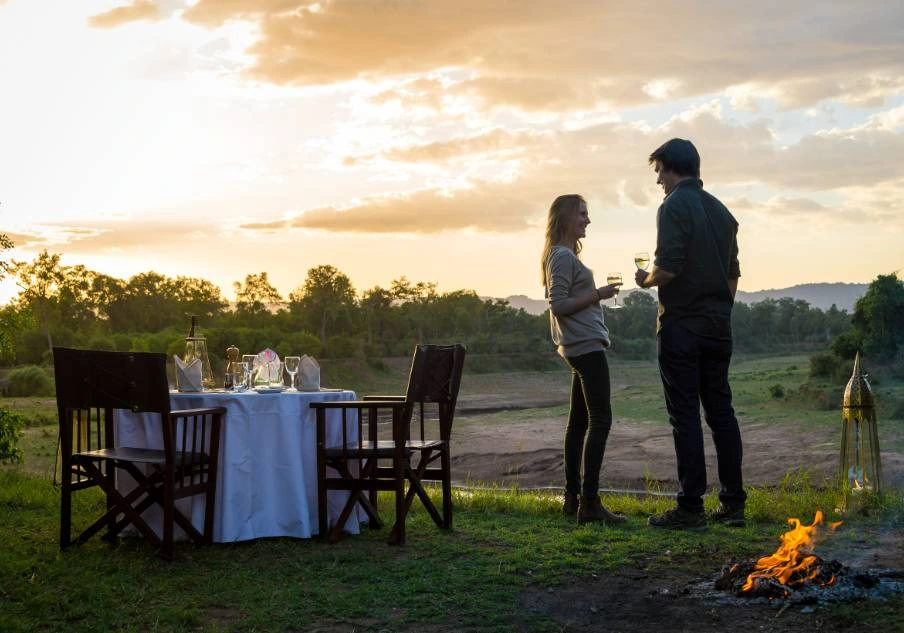
DiningSundowners & Bush DiningExplore experience
Map
Where is Ol Pejeta Conservancy?
Safaris
Safaris Visiting Ol Pejeta Conservancy
Published Greatlink routes that include this destination. Safari pricing is prepared from the traveller's enquiry.
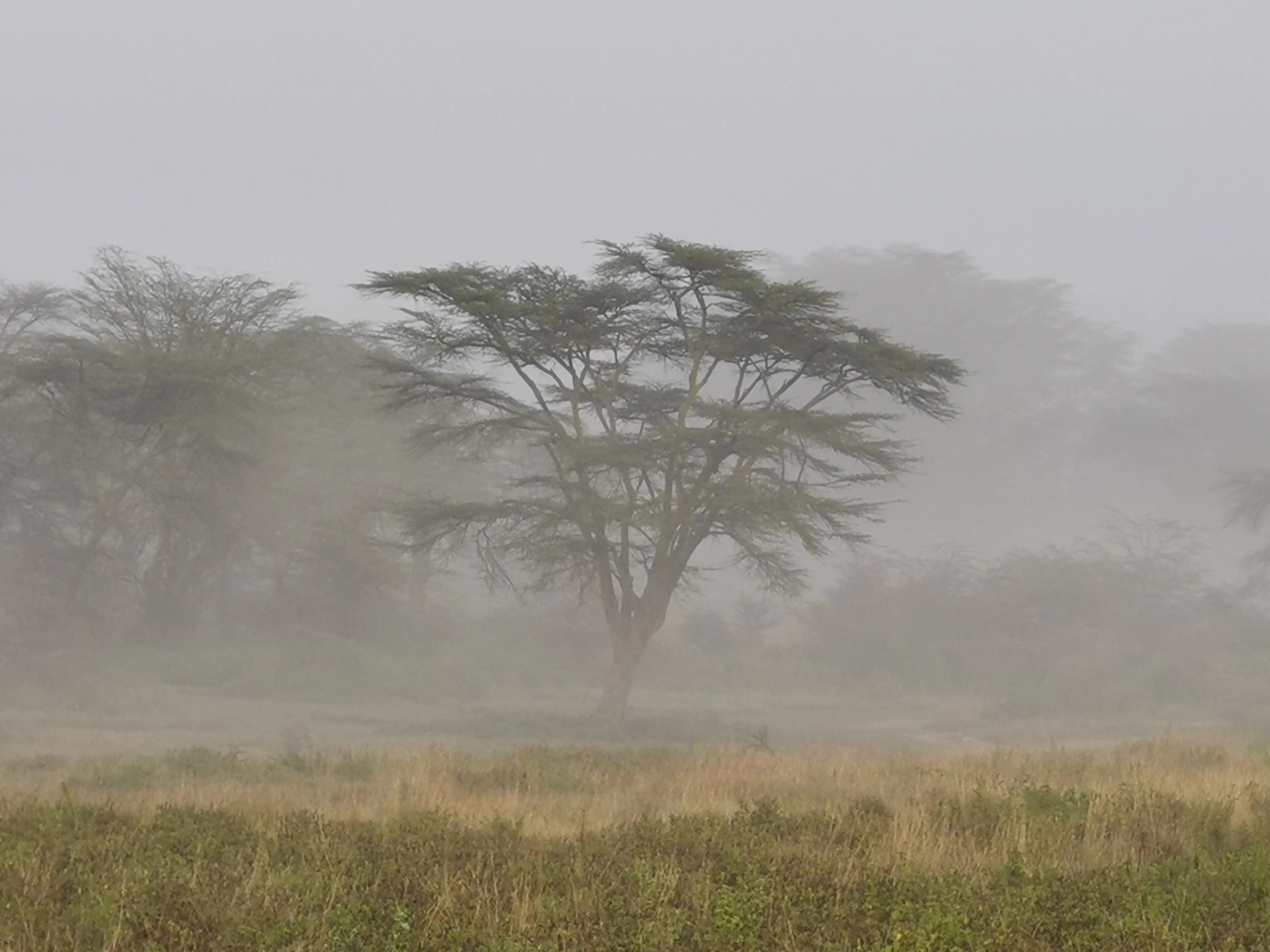
14 Days / 13 Nights
14-Day Kenya Grand Safari: Tsavo, Samburu, Mara & Amboseli
Personalised Quote Based on your enquiry
View Safari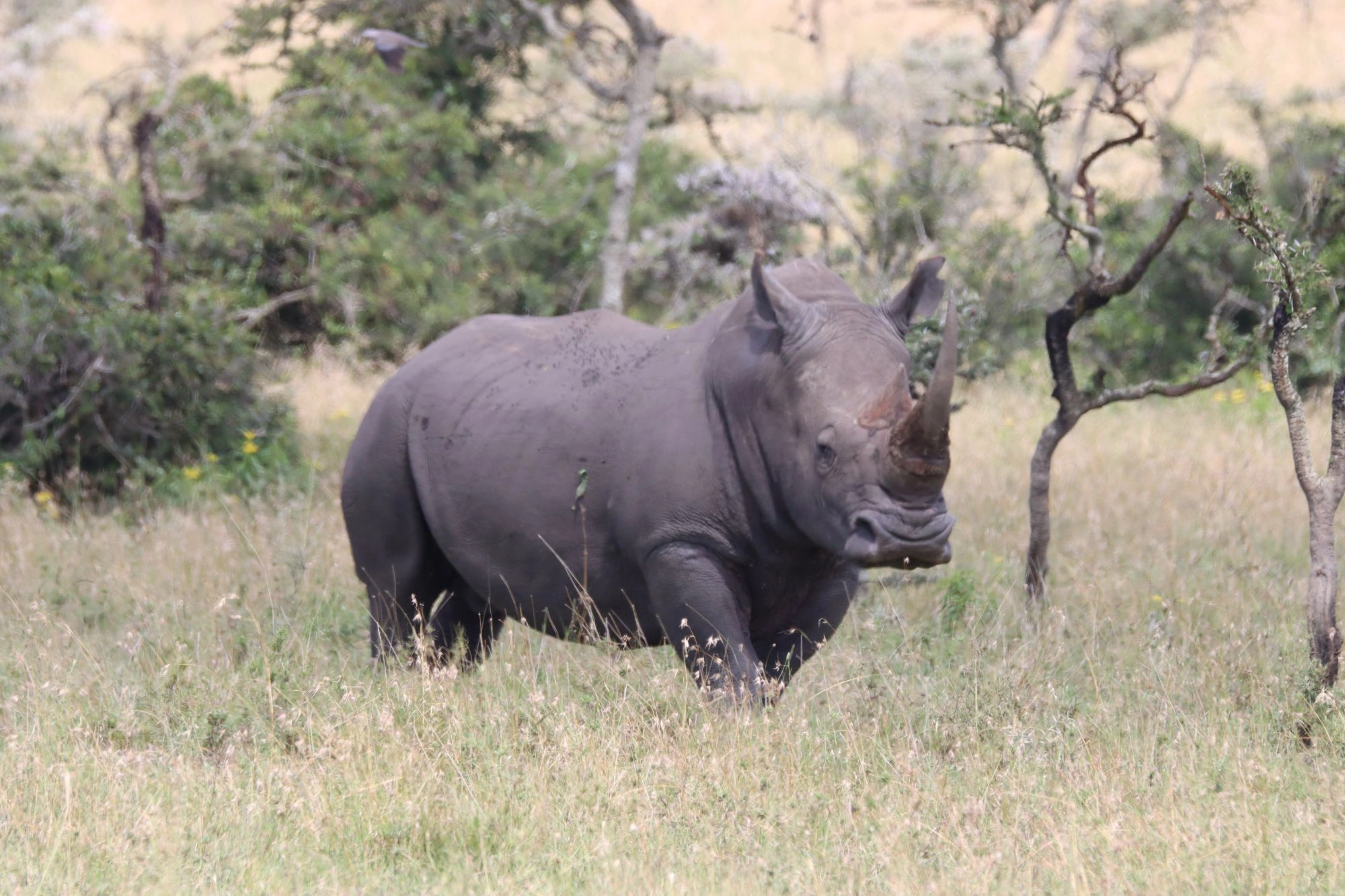
12 Days / 11 Nights
12-Day Kenya Mission & Wildlife Safari
Personalised Quote Based on your enquiry
View Safari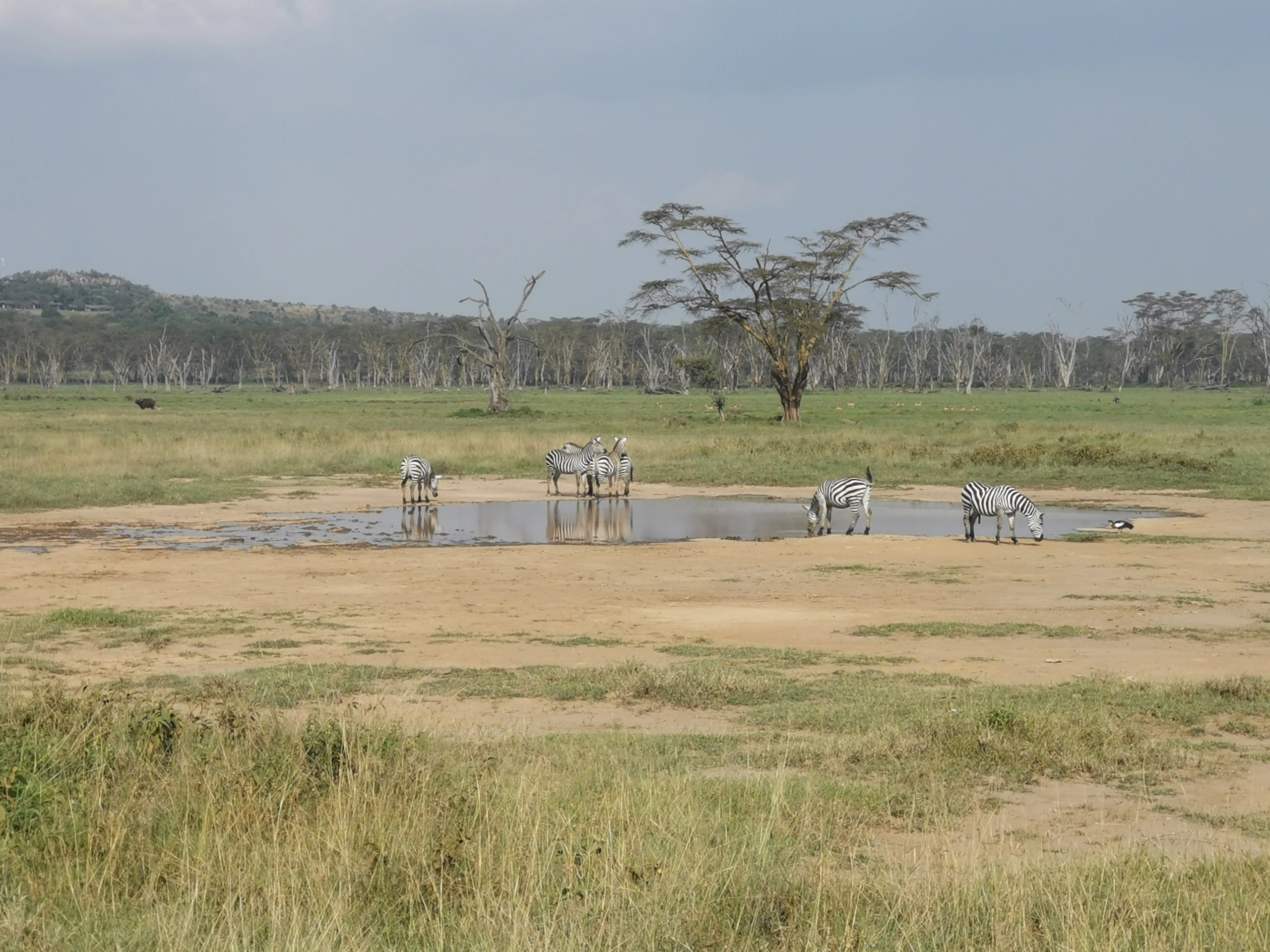
11 Days / 10 Nights
11-Day Rift Valley Lakes, Samburu & Mount Kenya Birding Safari
Personalised Quote Based on your enquiry
View Safari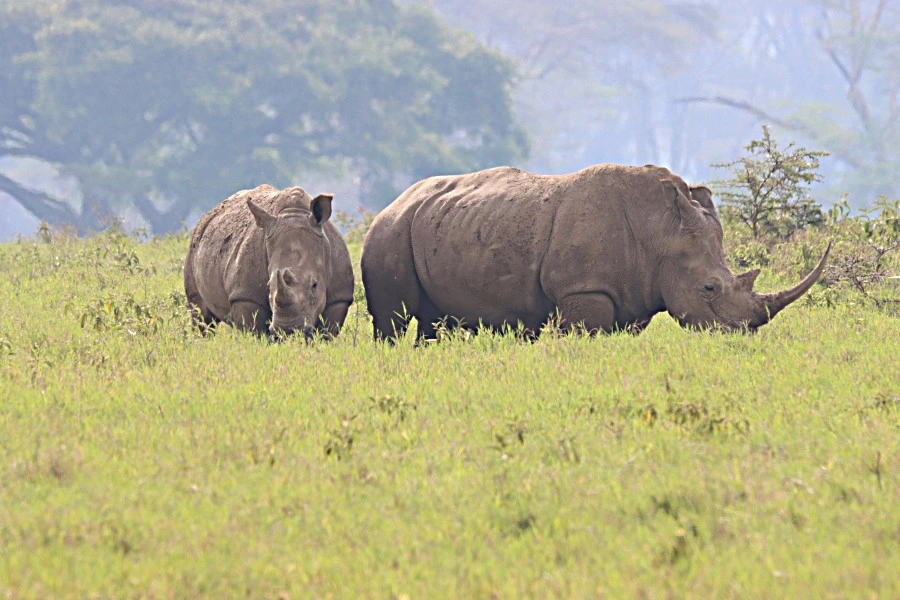
7 Days / 6 Nights
7-Day Samburu, Ol Pejeta, Lake Nakuru & Masai Mara Safari
Personalised Quote Based on your enquiry
View Safari