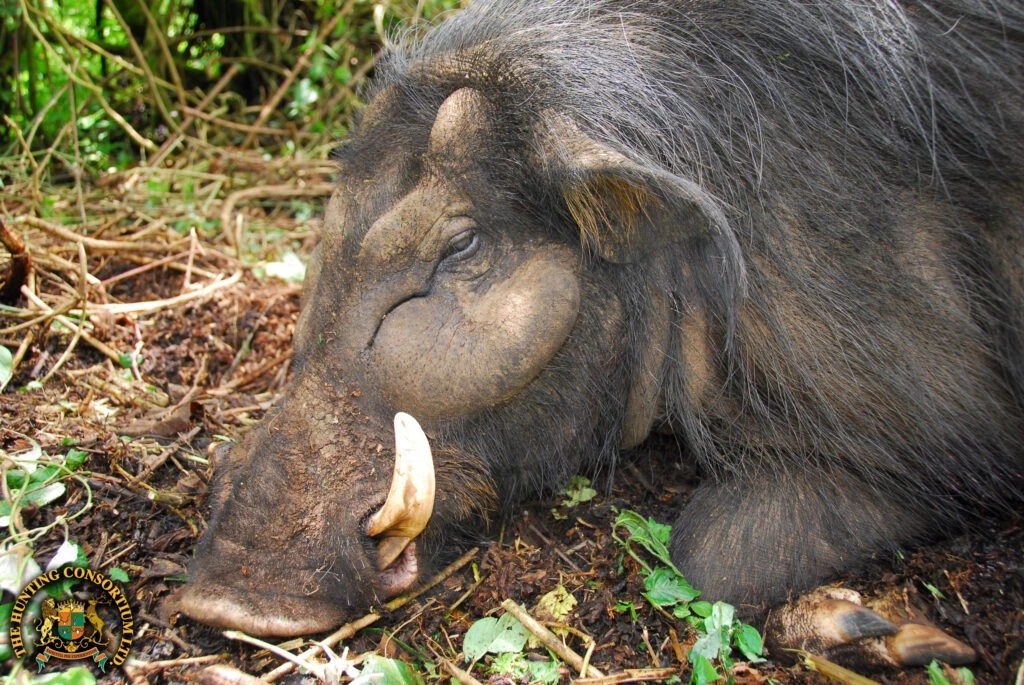
About the Giant Forest Hog
Adults are massive dark pigs with a broad head, coarse black hair and pronounced facial swelling in mature males. Their body is deeper and heavier than a warthog’s, without the long curved external tusks that dominate warthog appearance.
Family groups forage in forest clearings and dense vegetation. They can be shy where disturbed but may become regular visitors to mineral licks or open glades inside protected forests.
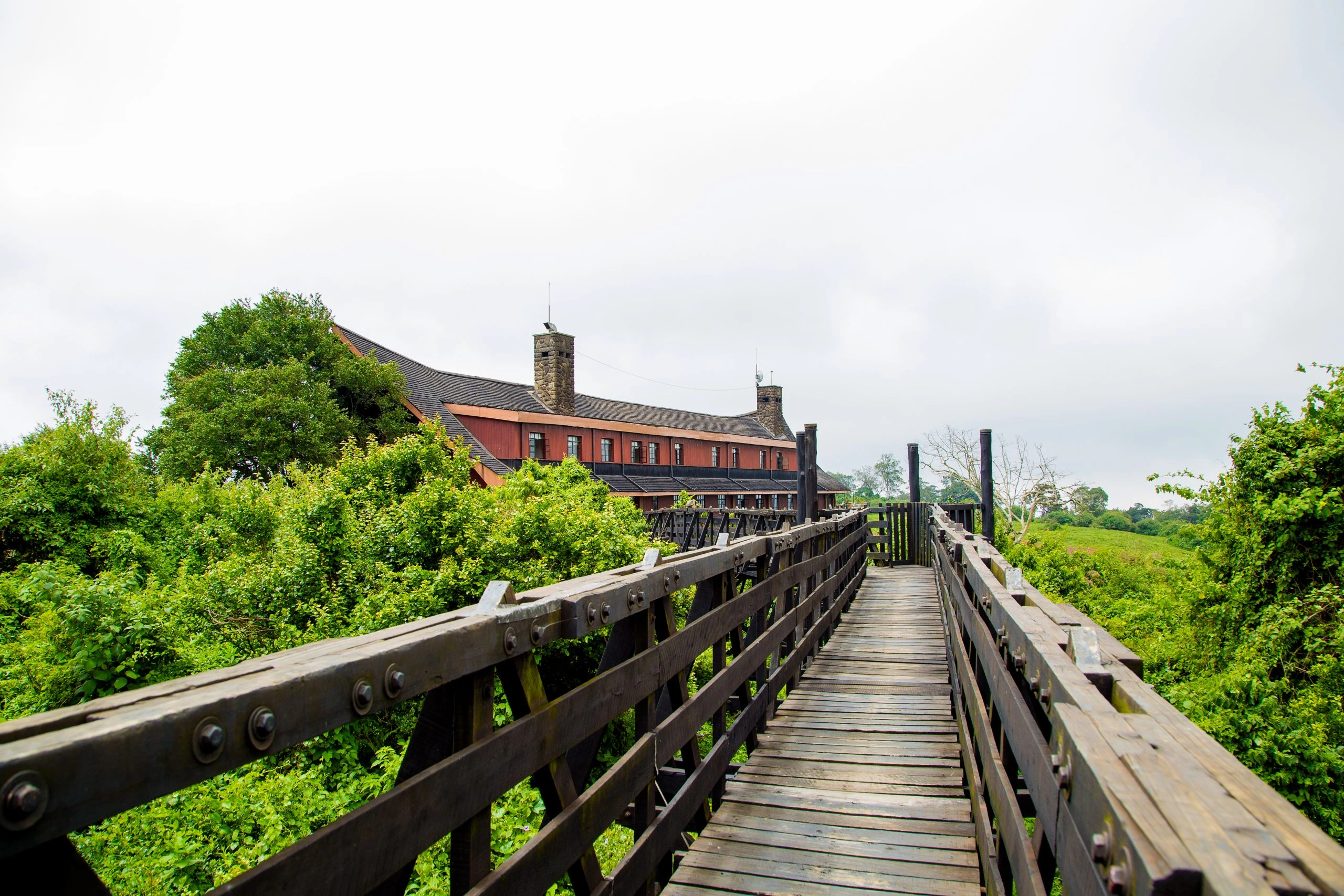
Safari context in Kenya: Within the current Greatlink Safaris destination network, useful places to look for this species include Aberdare National Park. Sightings remain natural and unpredictable, so Greatlink Safaris plans around habitat, season and realistic wildlife expectations rather than guarantees. Travellers can also explore the Kenya wildlife guide or compare private Kenya safaris that visit suitable ecosystems.
Conservation: Giant forest hogs are Least Concern globally, though forest loss and hunting can reduce local populations. For the latest global assessment and taxonomic notes, consult the IUCN conservation reference. Kenya protected area information is also available from the Kenya Wildlife Service.
Interesting facts and identification clues
- They are the largest living wild pig species.
- Forest clearings can be more productive for sightings than dense interior forest.
- Family groups may include several adults and young.
- They root and graze as well as feeding on fallen plant material.
- Highland destinations such as the Aberdares offer a better chance than dry savannah parks.
Responsible viewing: Keep a respectful distance, avoid blocking the animal’s route, keep noise low and follow the driver guide’s instructions. Wildlife behaviour changes with weather, breeding, food, water and human pressure, so every encounter should be treated as an unscripted observation.
Content reviewed 1 Oct 2026