
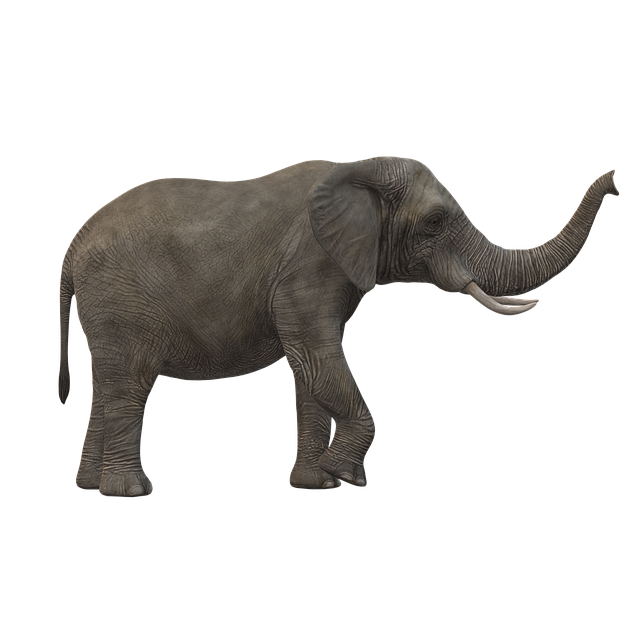
 African Elephant
Abundant
Overview
Aberdare National Park Travel Guide
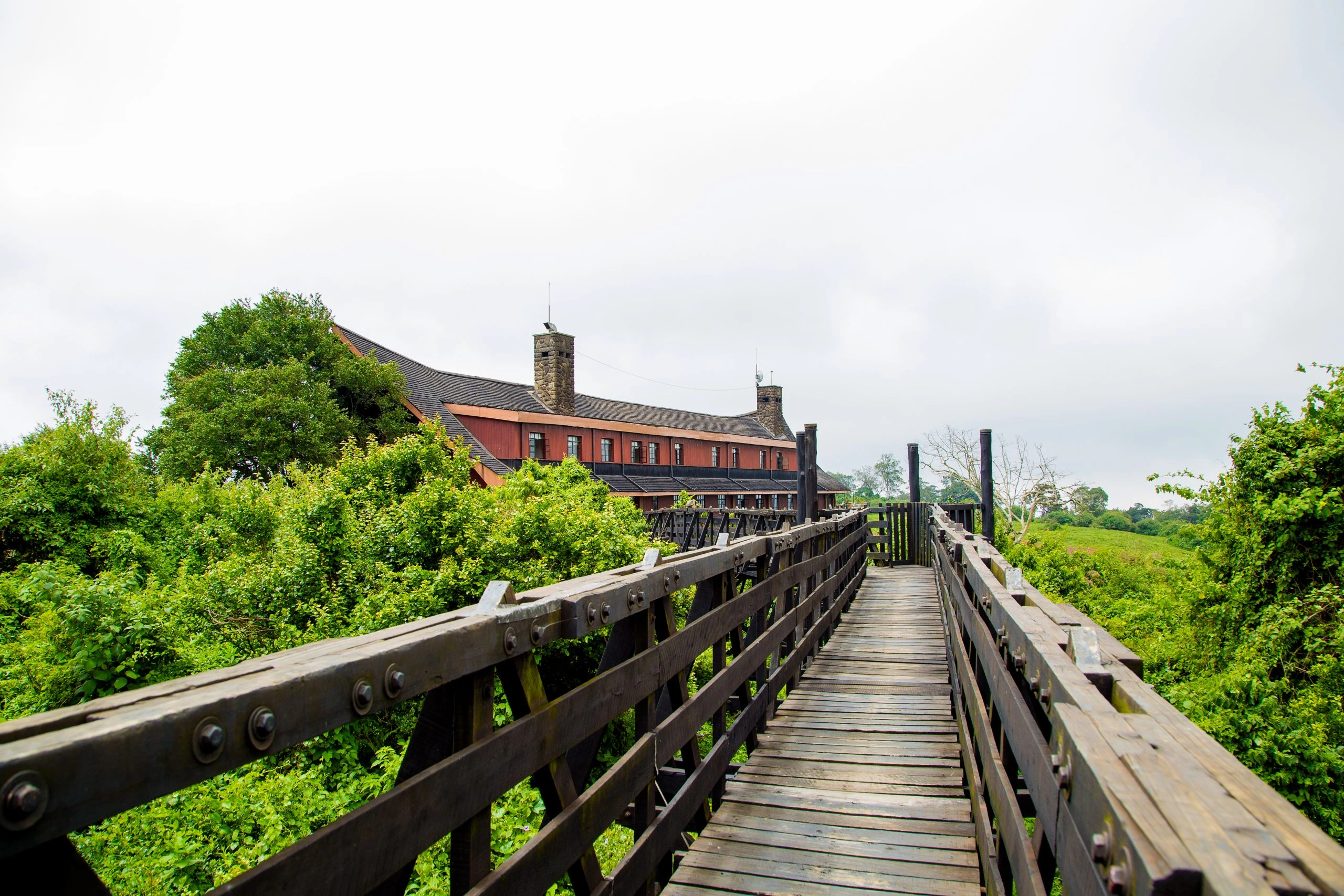
Aberdare National Park offers one of Kenya’s most dramatic changes of safari scenery. Instead of open savannah, the park protects a high volcanic range of dense forest, bamboo, deep ravines, waterfalls and windswept Afro-alpine moorland. Its altitude creates a cool, misty atmosphere that feels very different from the country’s lowland parks.
Elephant and buffalo are the most dependable large mammals, while black rhino, leopard and the elusive mountain bongo are far harder to find. Forest primates, giant forest hog, bushbuck and defassa waterbuck add to the park’s distinctive wildlife profile. Historically, tree lodges overlooking forest waterholes have provided unusual opportunities to watch animals emerge from thick vegetation.
The Aberdares fit naturally into a central Kenya itinerary with Ol Pejeta Conservancy, Lake Nakuru National Park and Lake Naivasha.
Why Visit Aberdare National Park?
- Highland landscapes: rainforest, bamboo, moorland, steep valleys and dramatic waterfalls.
- Elephants and buffalo: the park’s most regularly encountered large mammals.
- Rare forest wildlife: mountain bongo, giant forest hog and melanistic leopard are among the park’s elusive species.
- Waterhole viewing: forest lodges and hides can produce unusual close wildlife encounters.
- Hiking: guided walks are an excellent way to experience the highland vegetation and waterfalls.
- Birding: around 300 species, including several Kenyan highland endemics and near-endemics.
Scenery & Habitats
The Aberdare range rises steeply from cultivated foothills into montane forest, bamboo and open high moorland. Rivers cut deep valleys through the range and form waterfalls such as Karuru and Gura. Mist, giant heath, tussock grass and forested ravines make the upper park feel more like an African mountain wilderness than a conventional savannah safari area.
Activities
Game drives require patience because dense vegetation can hide wildlife, but the park rewards slow exploration. Guided hiking is one of Aberdare’s strongest attractions, particularly around waterfalls and moorland scenery. Wildlife viewing from tree lodges and hides can be especially productive after dark when forest mammals come to waterholes and salt licks.
Wildlife
Wildlife in Aberdare National Park
Aberdare is not a classic open-plains Big Five park. Elephant and buffalo are common, while black rhino may occasionally be seen around waterholes. Leopard is present but extremely difficult to find in the forest. The park is particularly valuable for specialist forest wildlife including mountain bongo, giant forest hog, bushbuck, defassa waterbuck, black-and-white colobus and blue monkey. Lion is not considered a regular park species.
AbundantCommonOccasionalRareNone
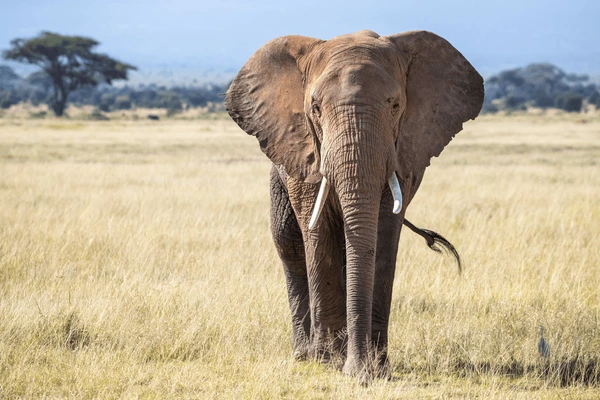
African Elephant
Abundant
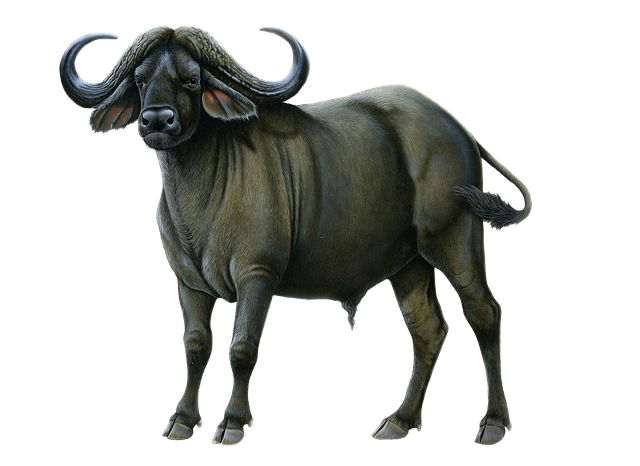 African Buffalo
Abundant
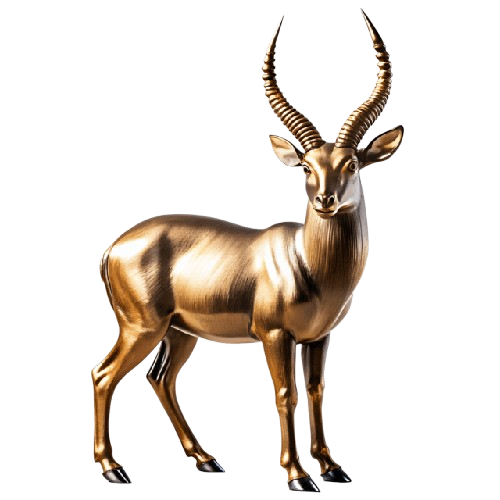 Waterbuck
Common
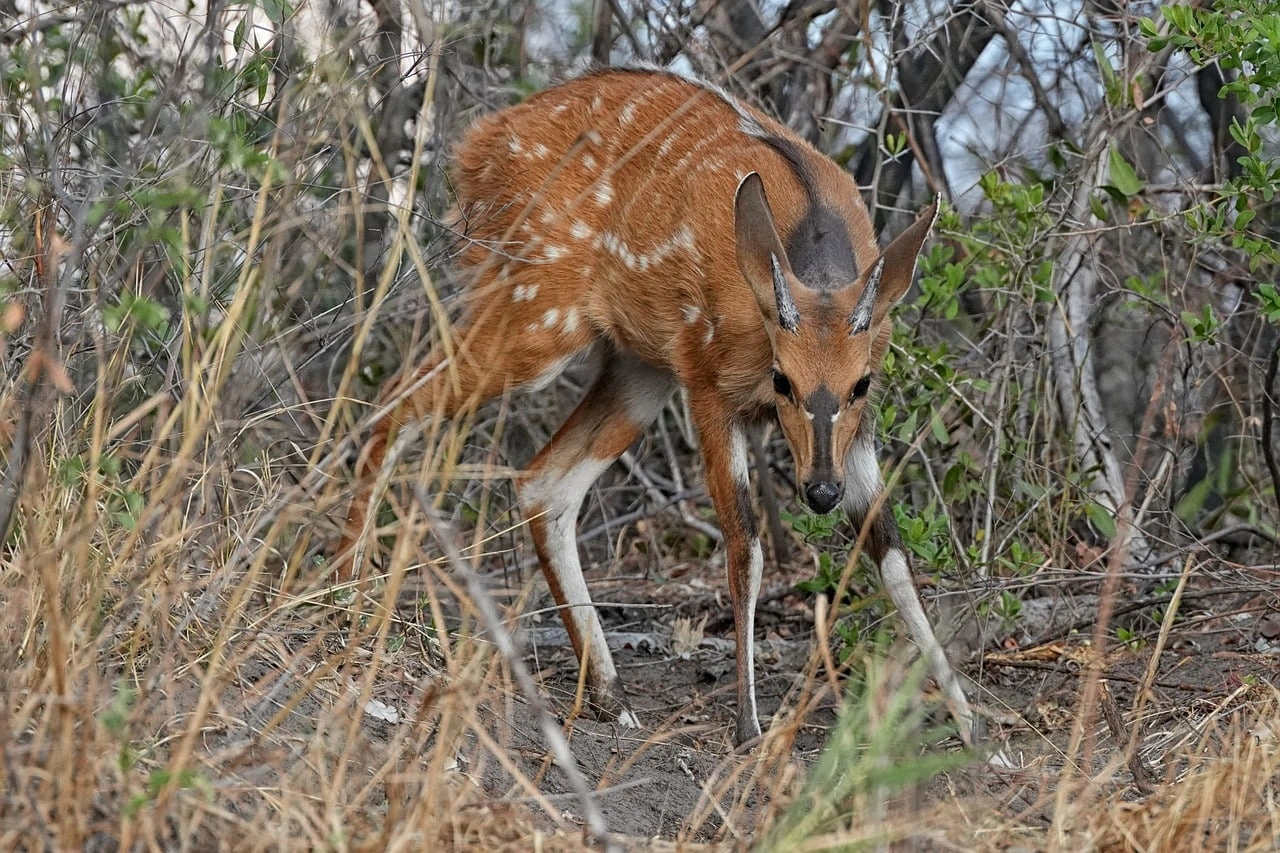 Bushbuck
Common
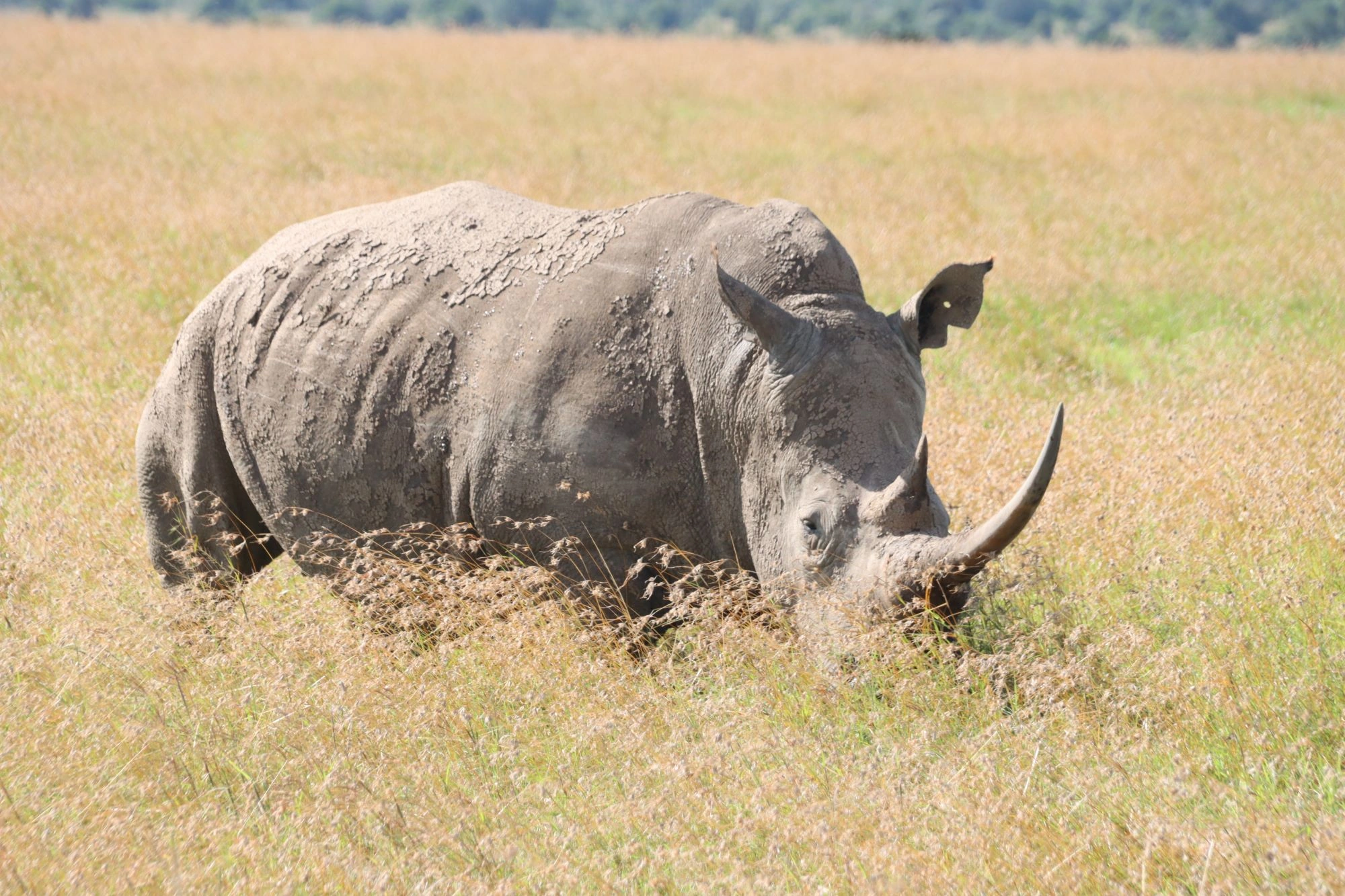 Black Rhinoceros
Occasional
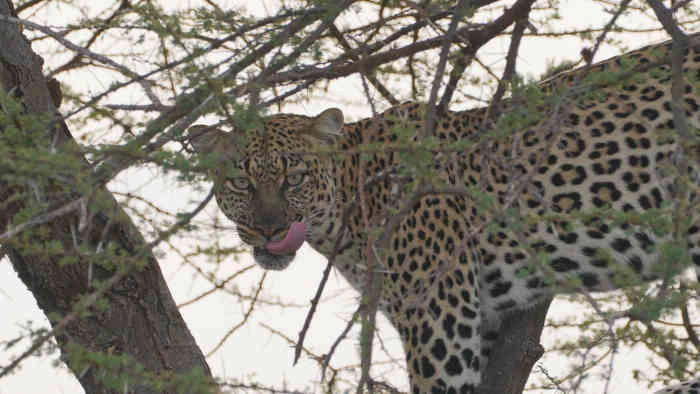 Leopard
Rare
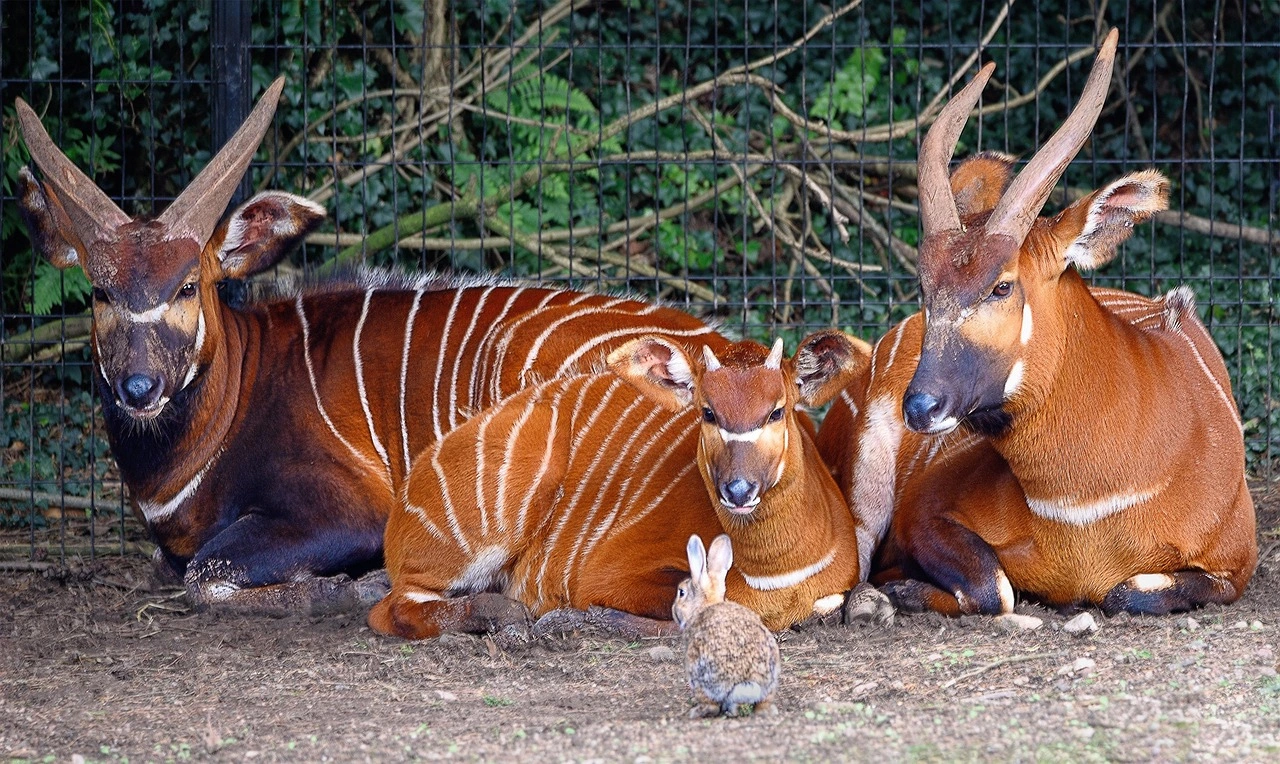 Mountain Bongo
Rare
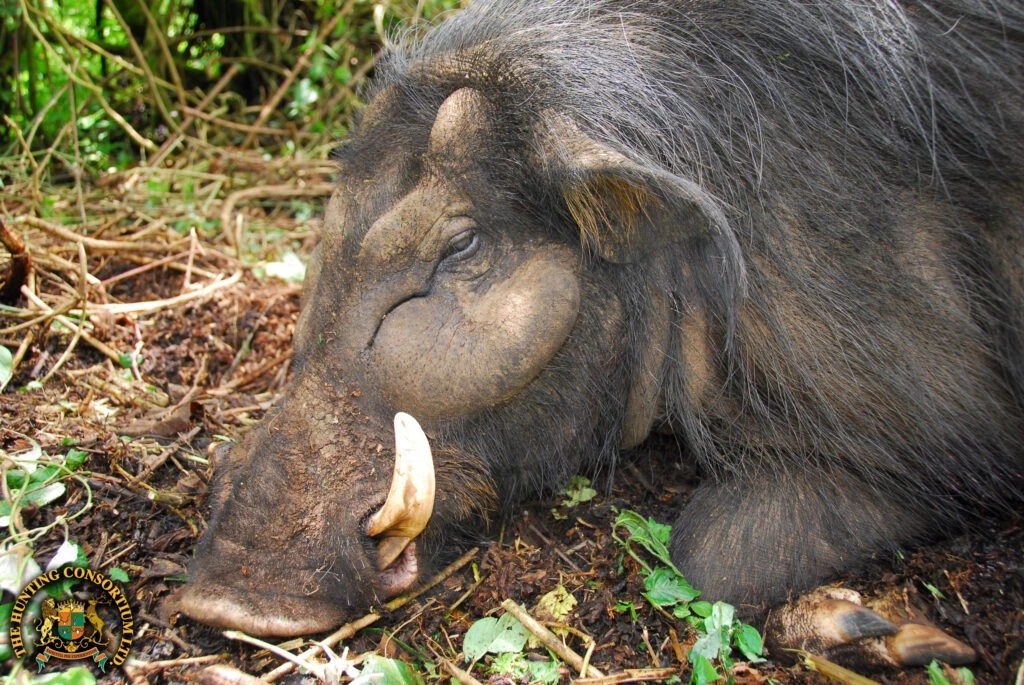 Giant Forest Hog
Occasional
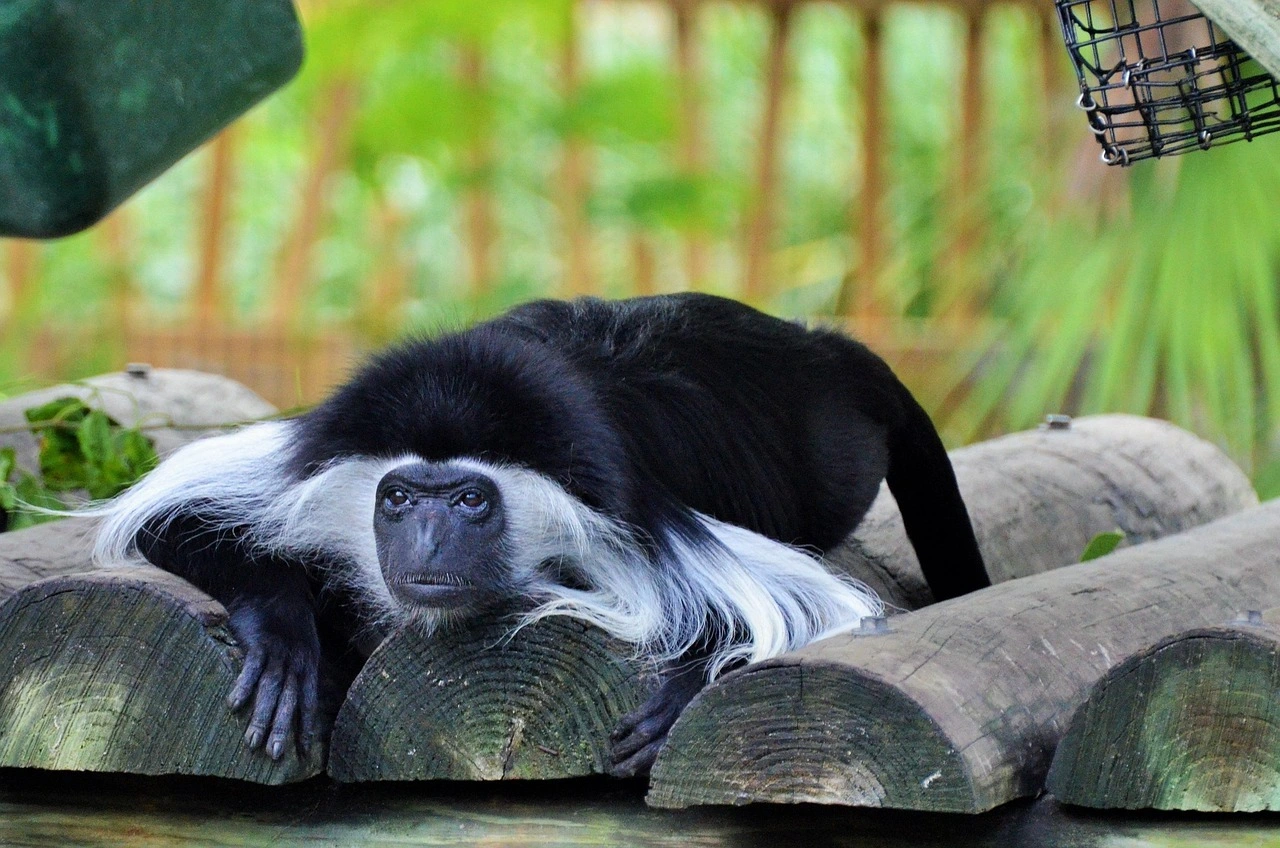 Black-and-white Colobus
Common
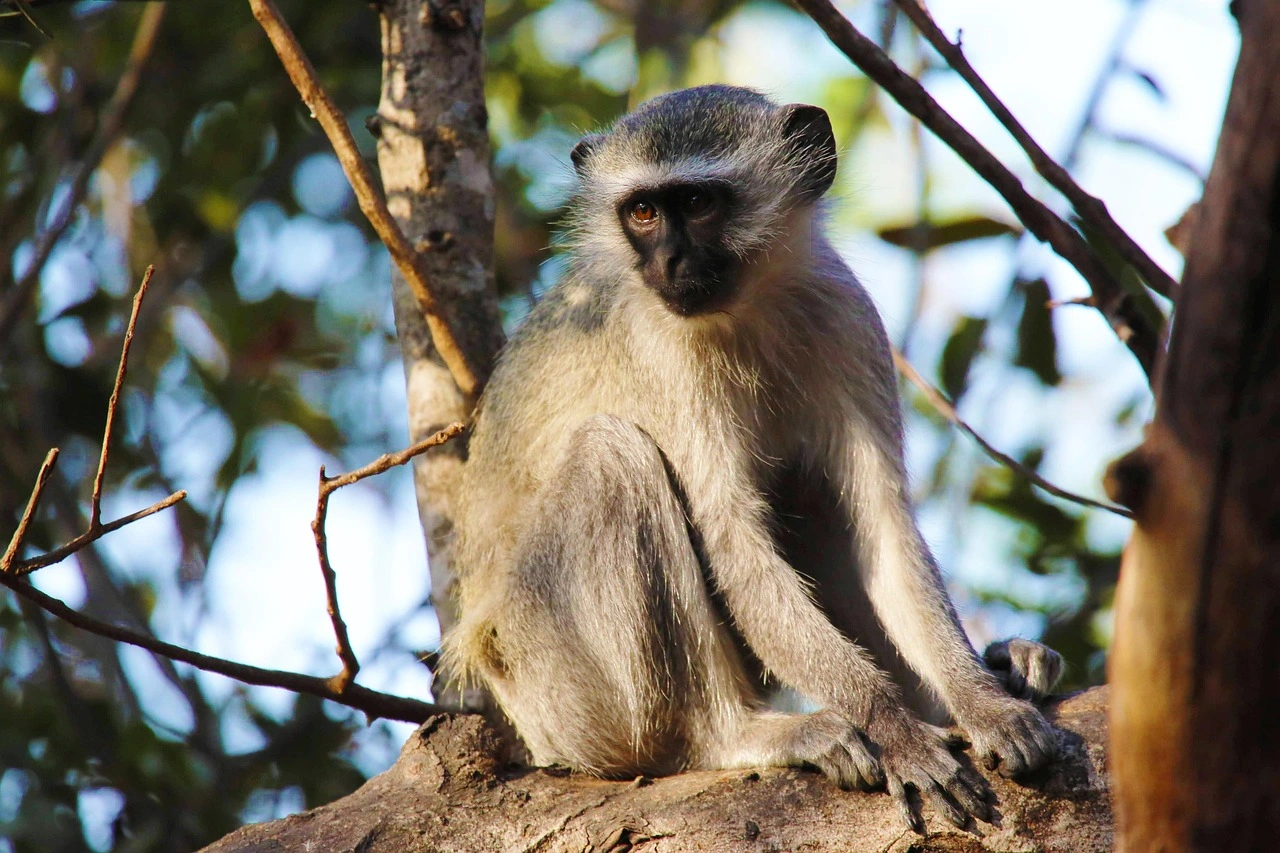 Blue Monkey
Common
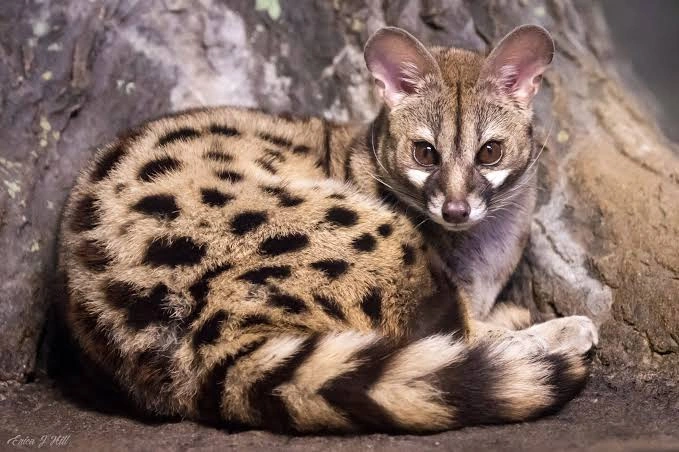 Large-spotted Genet
Occasional
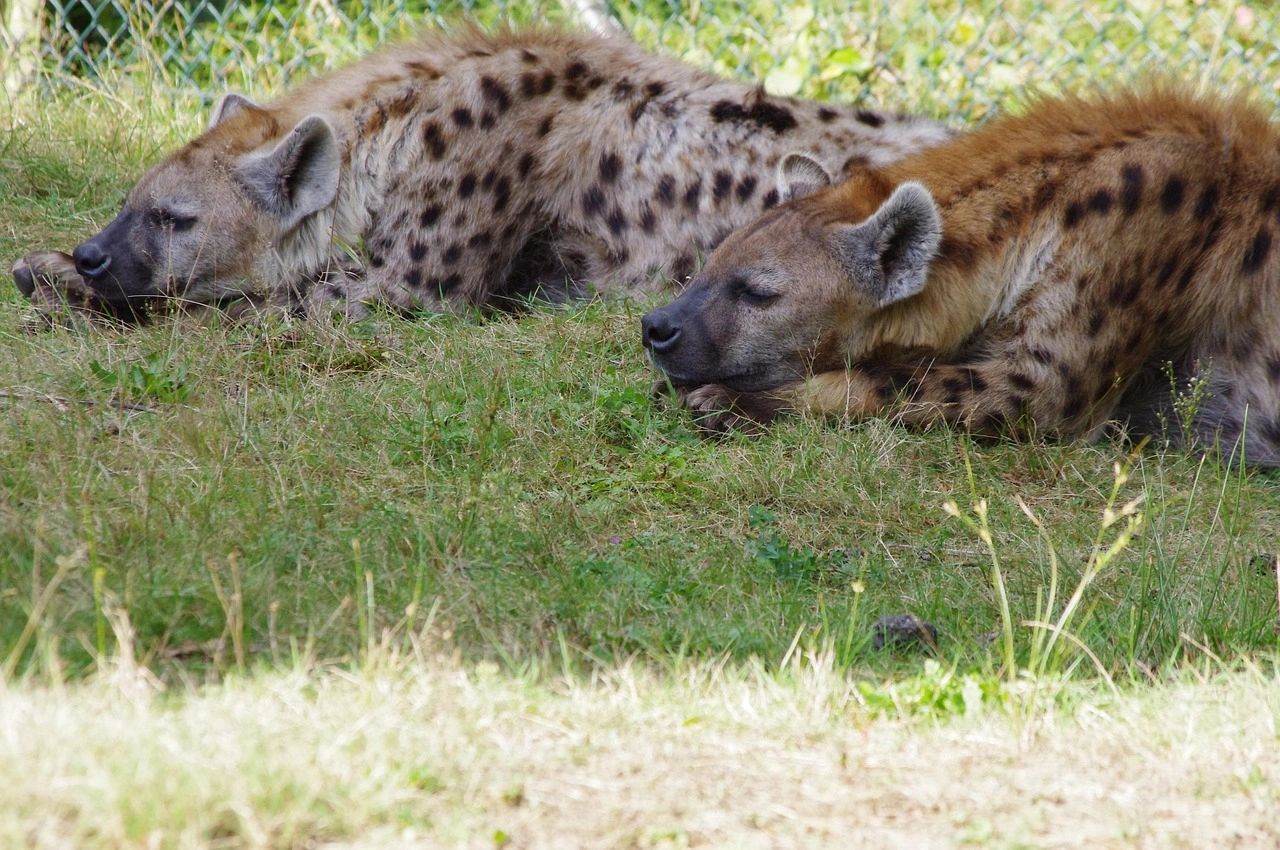 Spotted Hyena
Occasional
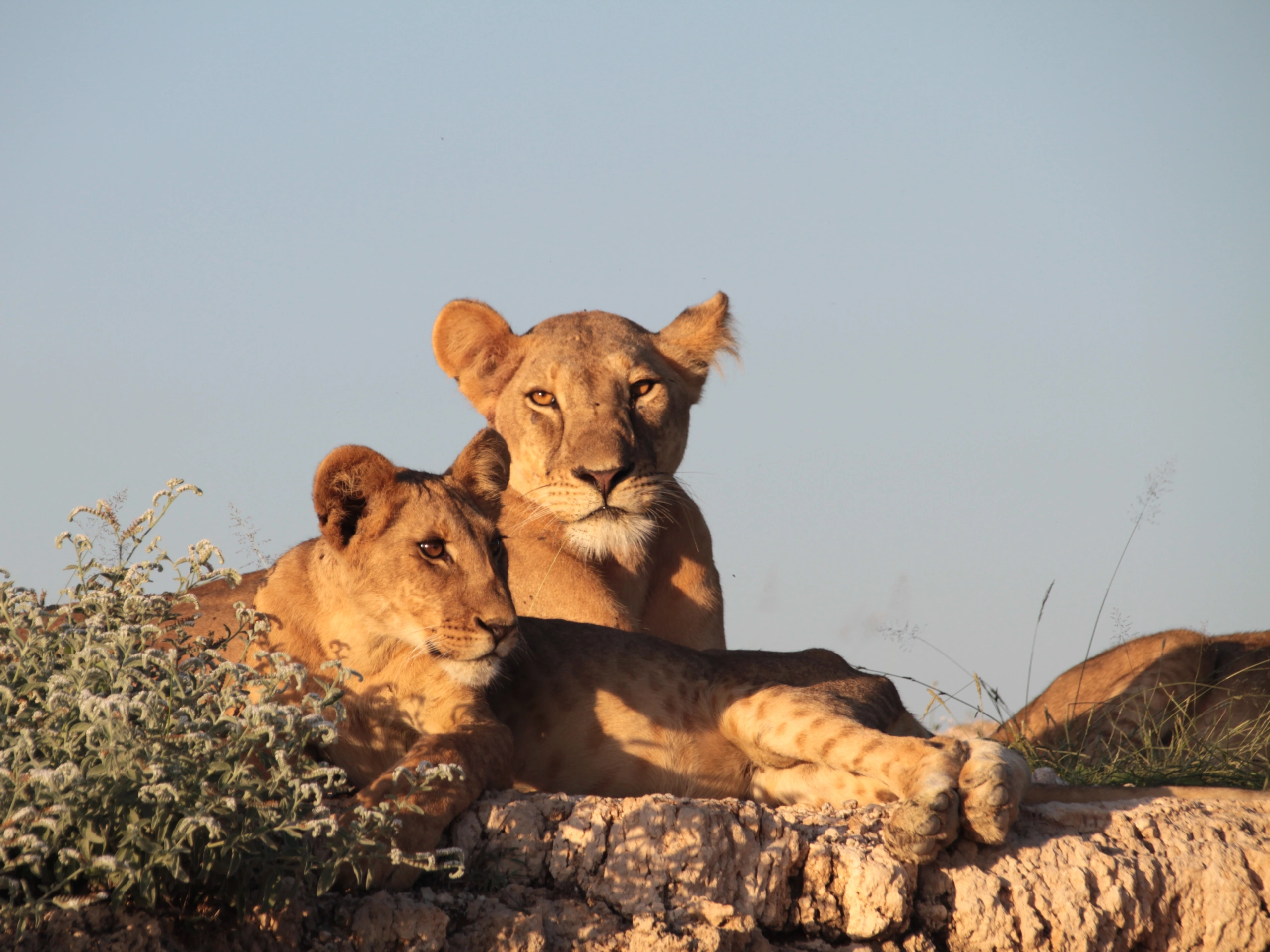 Lion
None
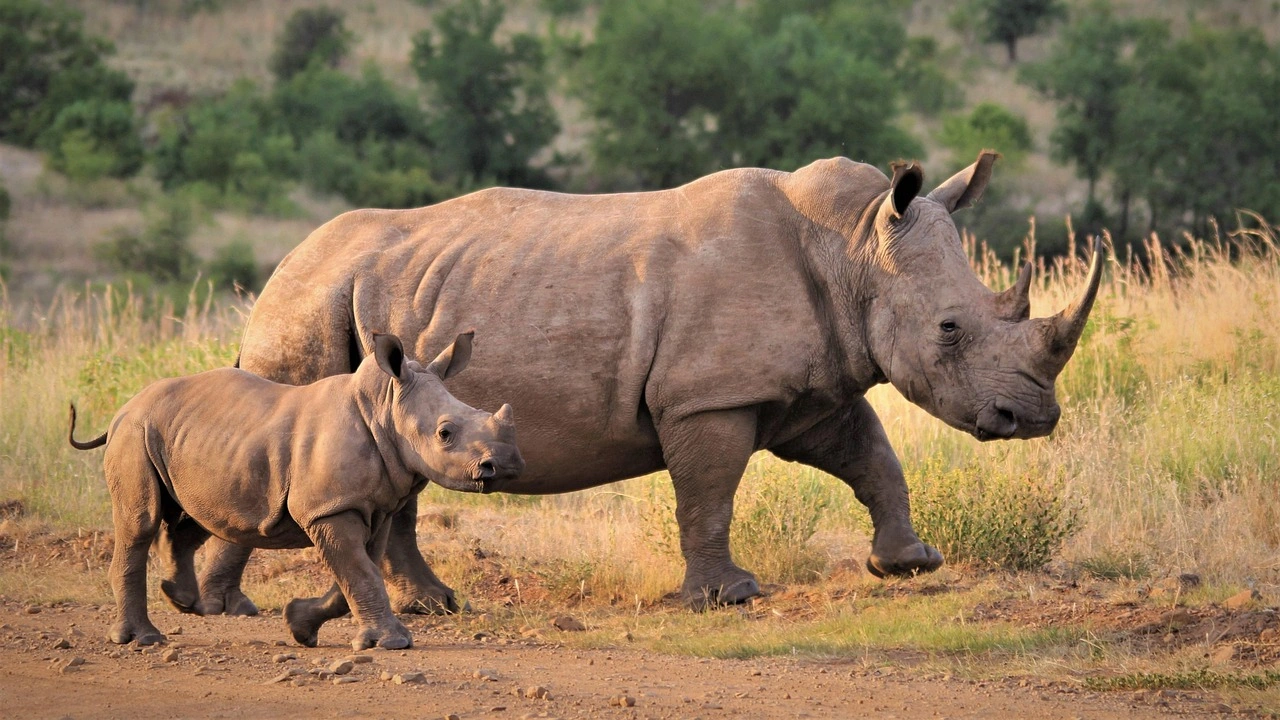 White Rhinoceros
None
Birding
Birds of Aberdare National Park
Around 300 bird species have been recorded in Aberdare National Park. Forest and high-altitude habitats support Hartlaub’s turaco, silvery-cheeked hornbill, Jackson’s spurfowl, moorland chat and red-winged starling. The park is particularly important for Kenyan highland specialties such as the endemic Aberdare cisticola and localized birds including Sharpe’s longclaw. Migrants are mainly present from November to April.
Notable Birds in Aberdare National Park
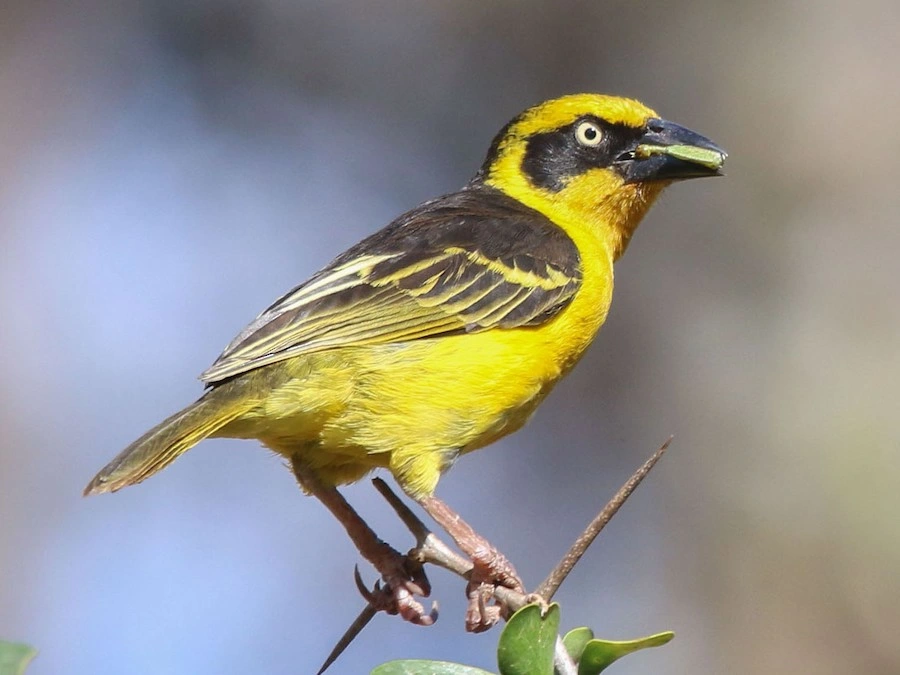
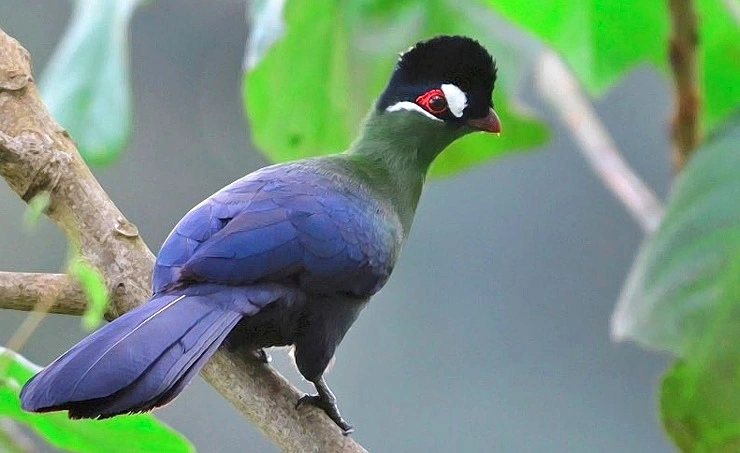
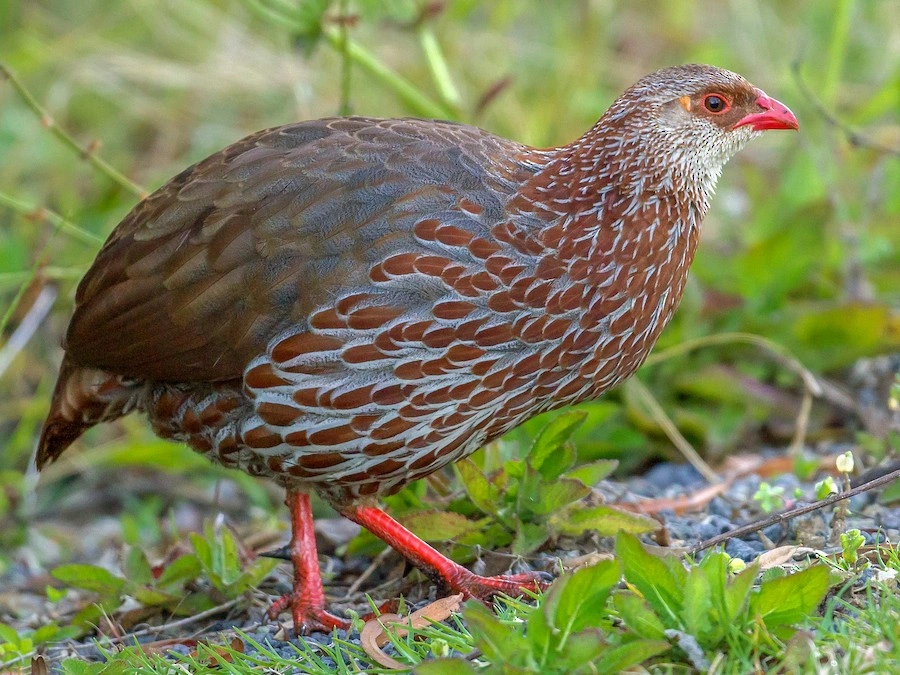
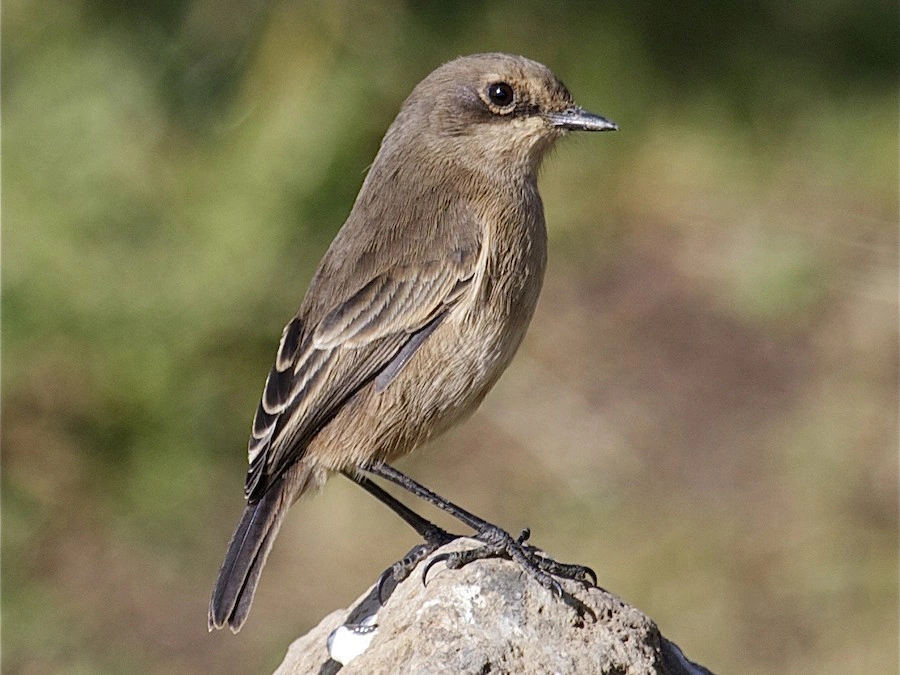
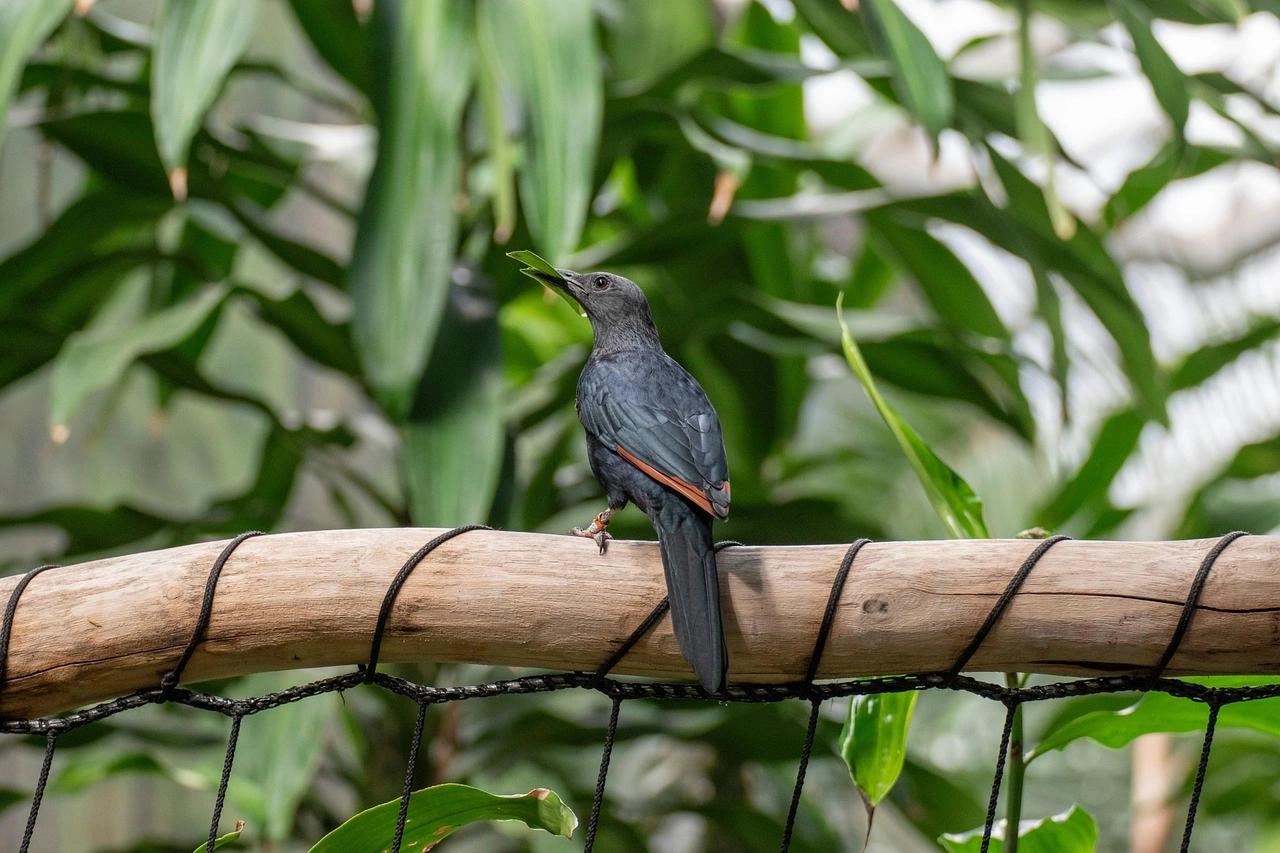
Birding Specials
Treats for avid birders(NE) near-endemic = mainly restricted to Kenya and neighbouring areas.
- Aberdare Cisticola
- Mountain Buzzard
- Scarlet-tufted Malachite Sunbird
- Silvery-cheeked Hornbill
- Tacazze Sunbird
- White-eyed Slaty Flycatcher
- Olive Ibis
- Abyssinian Crimsonwing
- Sharpe's Longclaw (NE)
Planning by season
Best Time To Visit Aberdare National Park
The driest and most practical periods are June to September and December to February. These months are especially useful for hiking and for driving the higher parts of the park.
- June–September: generally the easiest combination of drier roads and clear hiking conditions.
- December–February: another relatively dry period.
- October–May: greener and excellent for birding, but heavy rain, mist and slippery roads can affect exploration.
Climate guide
Weather & Climate
Aberdare is one of Kenya’s coolest safari destinations because of its altitude. Temperatures can become cold at night and in the early morning, especially on the upper moorlands. Rain is possible throughout the year and is more frequent in the wetter months. Warm layers and waterproof clothing are useful even when travelling during the nominal dry season.
Route planning
How To Get To Aberdare National Park
By road: Aberdare National Park is reached from Nairobi through central Kenya, with access depending on the selected gate and accommodation. A 4×4 is strongly recommended for higher roads and during wet conditions.
Official park information: see the Kenya Wildlife Service Aberdare National Park page. Park-entry payment should be completed through the official KWS eCitizen portal. Check current road, gate and weather conditions with KWS before entering remote sections.
Map
Where is Aberdare National Park?
Safaris
Safaris Visiting Aberdare National Park
Published Greatlink routes that include this destination. Safari pricing is prepared from the traveller's enquiry.
14 Days / 13 Nights
14-Day Kenya Wildlife Photography Safari: Samburu, Solio, Mara & Amboseli
Personalised Quote Based on your enquiry
View Safari12 Days / 11 Nights
12-Day Masai Mara, Samburu & Kenya Coast Honeymoon Safari
Personalised Quote Based on your enquiry
View Safari