About the Large-spotted Genet
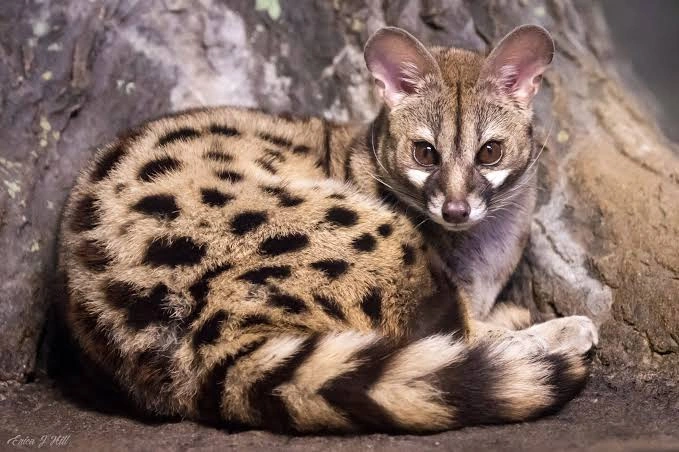
Large-spotted genets have an elongated cat-like body, pointed face, large dark spots and a long tail marked with black rings. Despite their cat-like appearance they belong to the viverrid family.
They are mostly solitary and hunt small prey at night, moving through trees and on the ground with great agility. Individuals may use regular paths and scent-marking points.
Safari context in Kenya: Within the current Greatlink Safaris destination network, useful places to look for this species include Aberdare National Park. Sightings remain natural and unpredictable, so Greatlink Safaris plans around habitat, season and realistic wildlife expectations rather than guarantees. Travellers can also explore the Kenya wildlife guide or compare private Kenya safaris that visit suitable ecosystems.
Conservation: The species is Least Concern and remains adaptable in many wooded habitats, although local persecution and habitat loss can affect numbers. For the latest global assessment and taxonomic notes, consult the IUCN conservation reference. Kenya protected area information is also available from the Kenya Wildlife Service.
Interesting facts and identification clues
- Genets are viverrids rather than cats.
- The long ringed tail helps balance during climbing.
- Most safari sightings occur after dark around quiet lodges or roads.
- They eat both animal prey and fruit.
- Daytime game drives rarely provide reliable opportunities, so sightings should be treated as a bonus.
Responsible viewing: Keep a respectful distance, avoid blocking the animal’s route, keep noise low and follow the driver guide’s instructions. Wildlife behaviour changes with weather, breeding, food, water and human pressure, so every encounter should be treated as an unscripted observation.
Content reviewed 1 Oct 2026