About the Black Rhinoceros
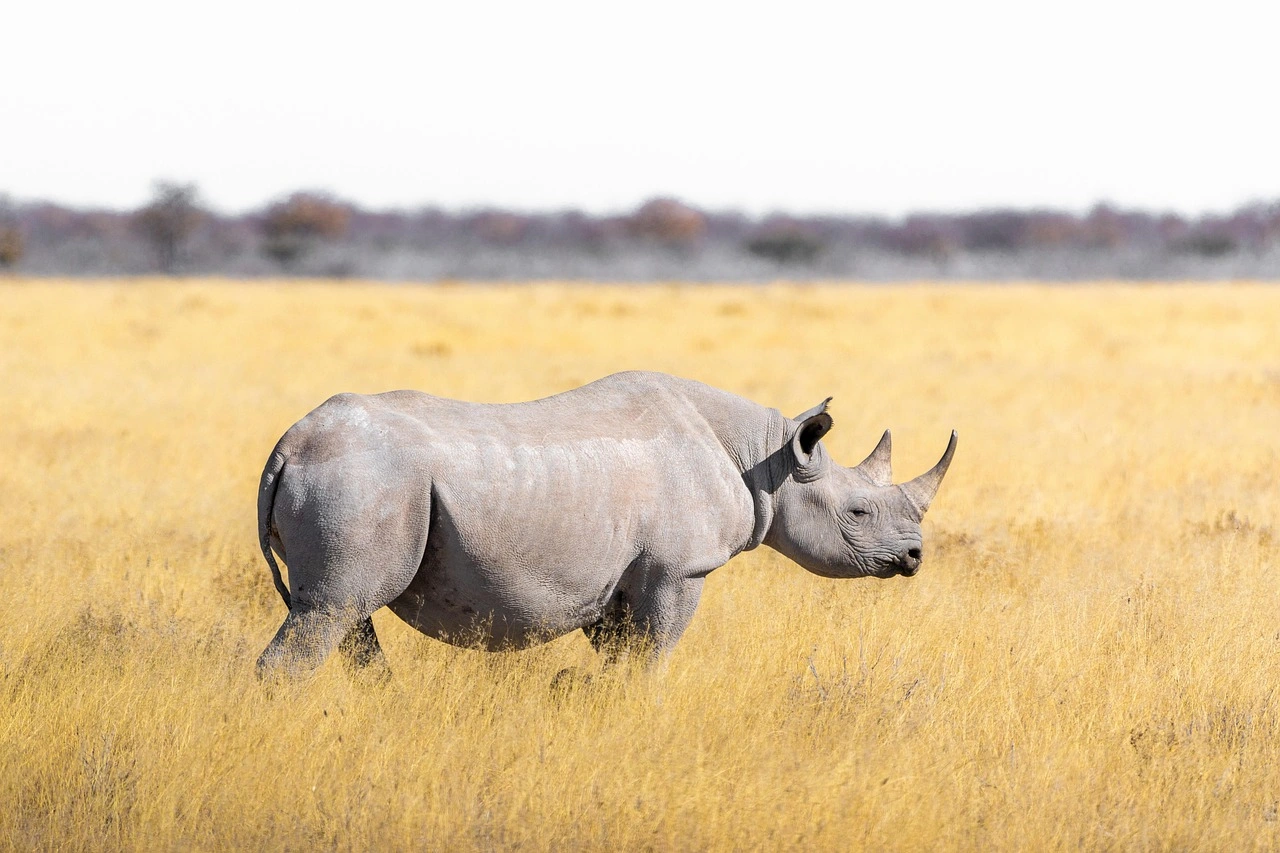
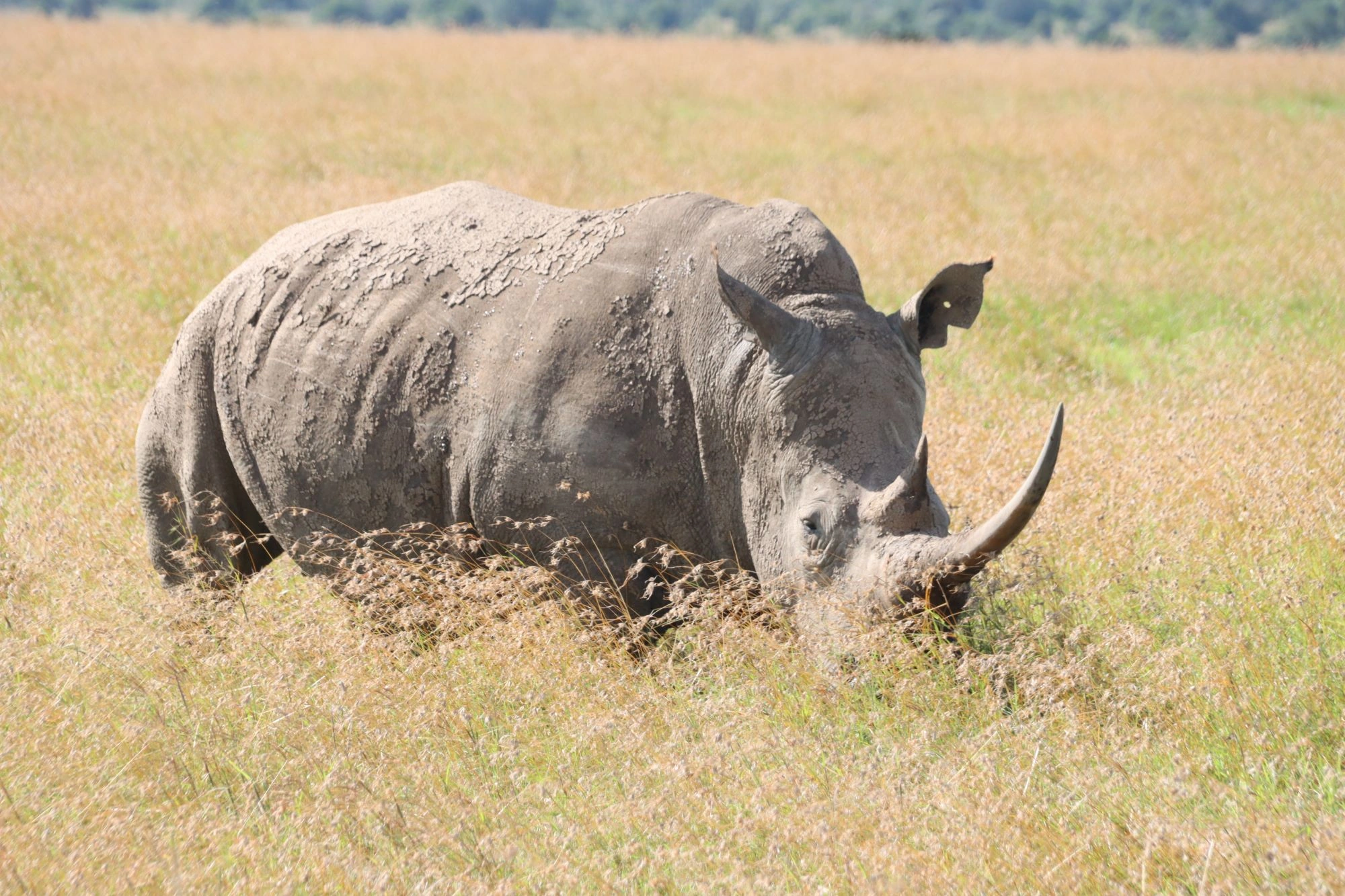
Black rhinos are compact, powerful animals with two horns and a pointed, prehensile upper lip adapted for browsing shrubs and woody vegetation. Despite the name, skin colour varies with dust and mud rather than being truly black.
Adults are usually solitary except for mothers with calves and temporary associations around water or feeding areas. They use scent marking, dung middens and well-used paths to communicate. Their eyesight is limited, but hearing and smell are excellent.
Safari context in Kenya: Within the current Greatlink Safaris destination network, useful places to look for this species include Lake Nakuru National Park, Nairobi National Park, and Ol Pejeta Conservancy. Sightings remain natural and unpredictable, so Greatlink Safaris plans around habitat, season and realistic wildlife expectations rather than guarantees. Travellers can also explore the Kenya wildlife guide or compare private Kenya safaris that visit suitable ecosystems.
Conservation: Black rhinos remain Critically Endangered after historic poaching caused catastrophic declines. Kenya’s surviving populations depend on intensive protection, monitoring, secure habitat and carefully managed movements between conservation areas. For the latest global assessment and taxonomic notes, consult the IUCN conservation reference. Kenya protected area information is also available from the Kenya Wildlife Service.
Interesting facts and identification clues
- The hooked upper lip is one of the easiest field marks separating black rhino from white rhino.
- Black rhinos are browsers rather than specialist grazers.
- Dung middens act as communication points used by multiple rhinos.
- Calves normally remain with their mothers for several years.
- Rhino locations can be sensitive; responsible operators avoid broadcasting precise real-time positions.
Responsible viewing: Keep a respectful distance, avoid blocking the animal’s route, keep noise low and follow the driver guide’s instructions. Wildlife behaviour changes with weather, breeding, food, water and human pressure, so every encounter should be treated as an unscripted observation.
Content reviewed 1 Oct 2026