
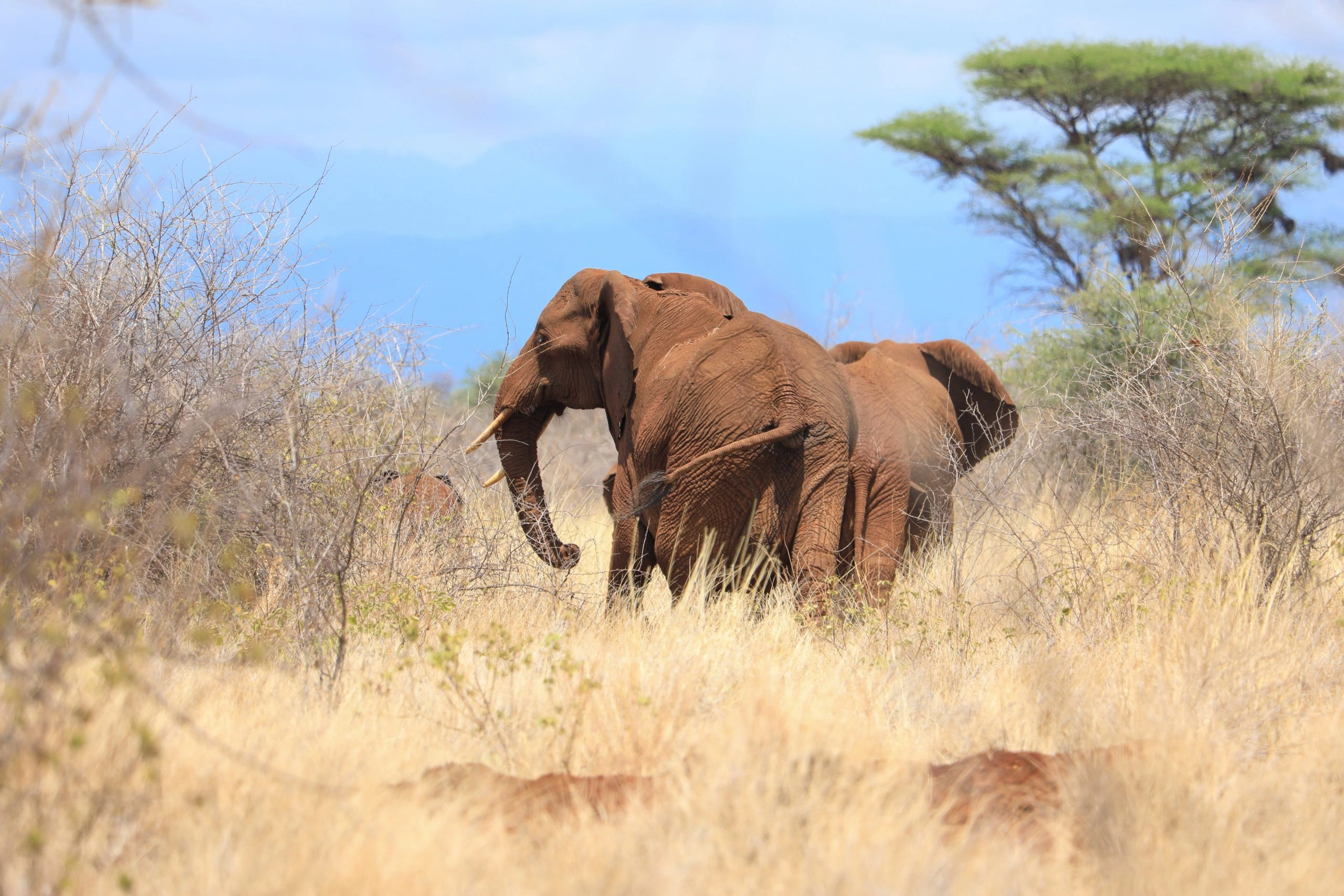
 African Elephant
Common
Overview
Meru National Park Travel Guide
Meru National Park is one of Kenya’s most rewarding choices for travellers who value wilderness, varied habitats and lower visitor density. The park lies east of Mount Kenya and is crossed by numerous rivers and seasonal streams, creating a greener, more intricate landscape than many of Kenya’s better-known dry savannah parks.
Meru supports the Big Five, with elephant and buffalo regularly encountered and both black and white rhino protected within a dedicated sanctuary. It is also one of the best places to combine classic big-game viewing with northern Kenya specialists such as reticulated giraffe, Grevy’s zebra, Beisa oryx, gerenuk and lesser kudu.
The park is deeply connected to Kenya’s conservation history through George and Joy Adamson and Elsa the lioness. Meru links directly across the Tana River to Kora National Park, making the two parks an especially meaningful combination for travellers interested in the Born Free story. It can also be incorporated into a longer route with Ol Pejeta Conservancy and northern Kenya.
Why Visit Meru National Park?
- Big Five wildlife: elephant and buffalo are prominent, while lion, leopard and both rhino species are present.
- Rhino sanctuary: a protected area within the park provides some of Meru’s strongest rhino-viewing opportunities.
- Northern species: reticulated giraffe, Grevy’s zebra, Beisa oryx, gerenuk and lesser kudu add a distinctive northern Kenya character.
- Rivers and palms: riverine forest, doum palms, baobabs and red-earth plains create constantly changing scenery.
- Born Free heritage: Meru is closely associated with George and Joy Adamson and Elsa the lioness.
- Excellent birding: almost 450 species have been recorded, including dry-country and river specialists.
Scenery & Habitats
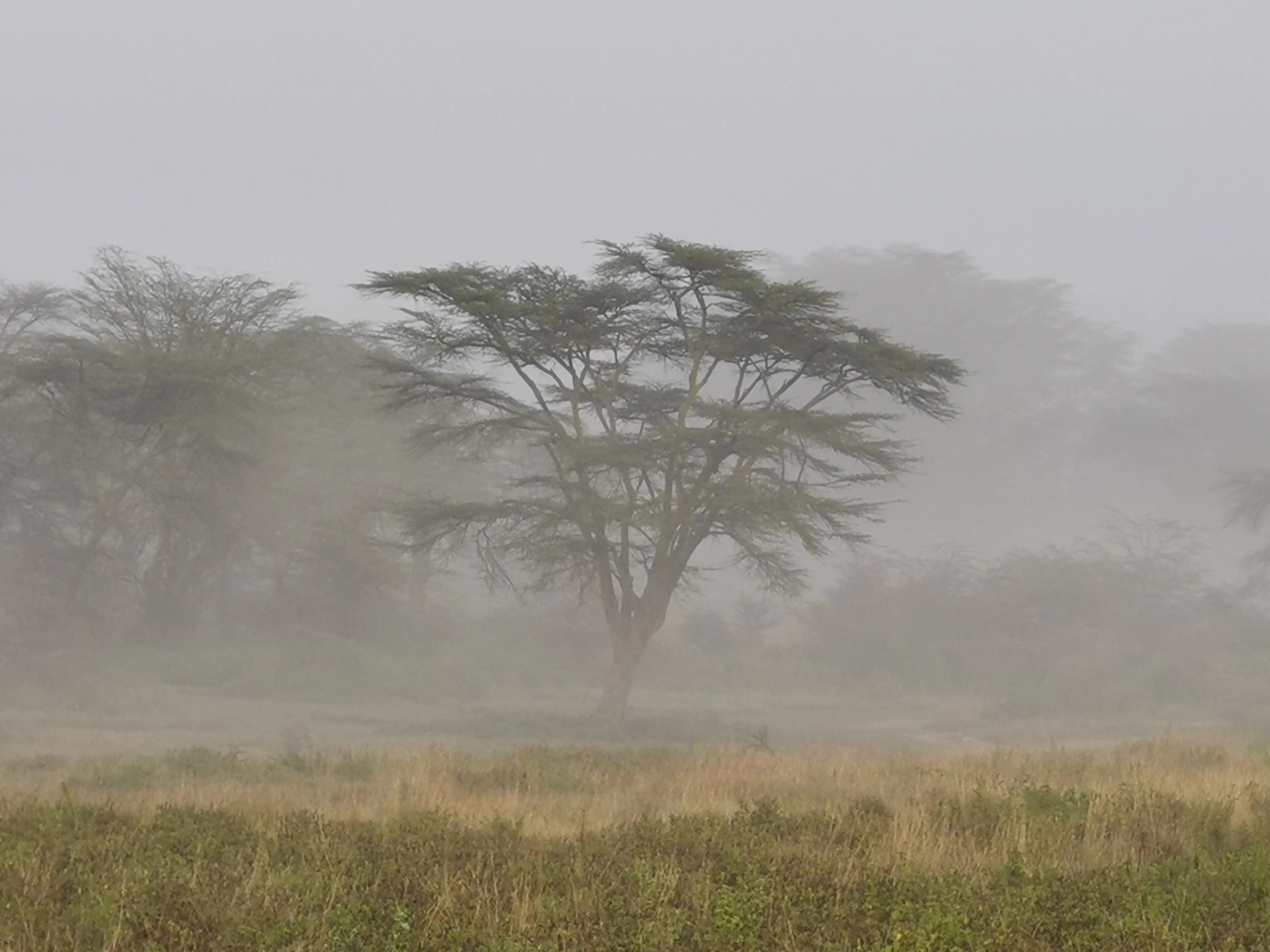
Meru’s landscape changes rapidly between open grassland, thorn bush, wooded savannah and lush river corridors. The Tana and Rojewero rivers are lined with dense vegetation and palms, while baobabs, red soils and distant hills create a strong sense of eastern Kenya wilderness. Because the park is crossed by many waterways, wildlife habitat remains diverse even in a generally semi-arid region.
Activities
Guided game drives are the core activity, with the rhino sanctuary, river systems and open plains offering different wildlife experiences during the day. Birding is excellent. KWS also highlights guided nature activities, astro-tourism and selected night wildlife experiences as part of Meru’s developing visitor programme. Heritage-focused travellers can include Elsa’s grave and related Born Free sites in a wider Meru–Kora journey.
Wildlife
Wildlife in Meru National Park
Meru offers a broad wildlife mix with fewer vehicles than many of Kenya’s headline parks. Elephant, buffalo, reticulated giraffe, waterbuck, hippo and several antelope species are regularly encountered. White rhino are usually easier to find within the rhino sanctuary than black rhino. Lion and leopard are present, although predator sightings are less predictable than in the Masai Mara. The abundance labels below are intended for safari planning rather than as population estimates.
AbundantCommonOccasionalRareNone
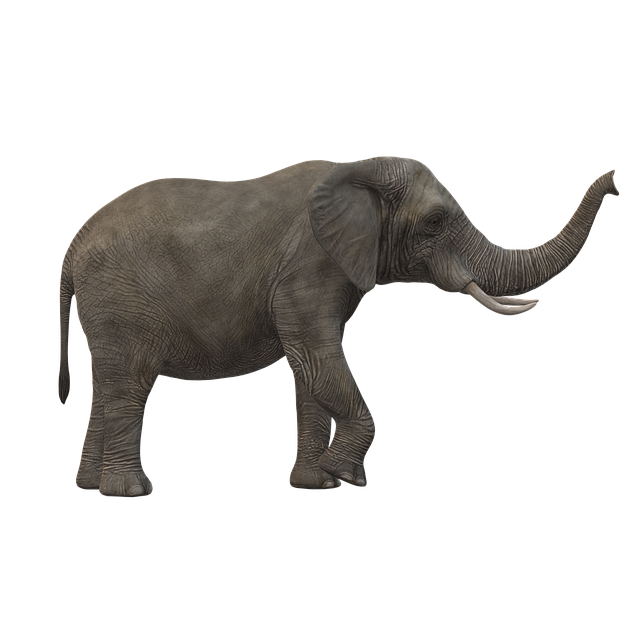
African Elephant
Common
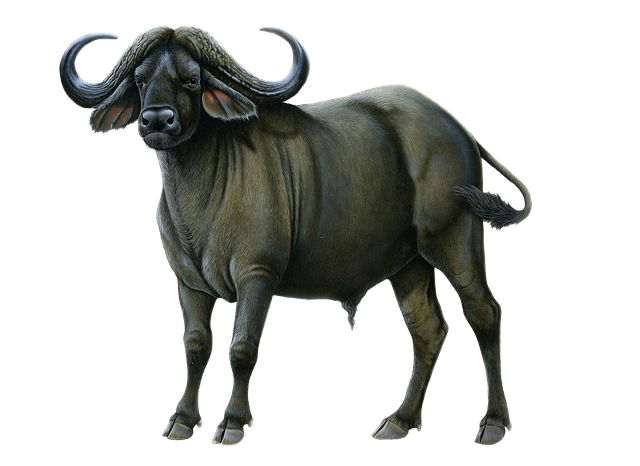 African Buffalo
Common
 Reticulated Giraffe
Common
 Grevy's Zebra
Occasional
 Beisa Oryx
Occasional
 Gerenuk
Occasional
 Lesser Kudu
Occasional
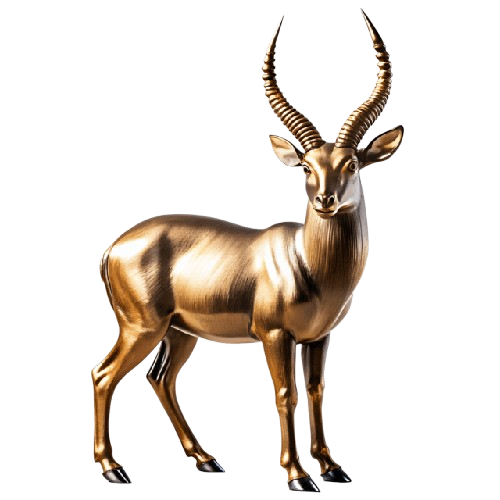 Waterbuck
Common
 Hippopotamus
Common
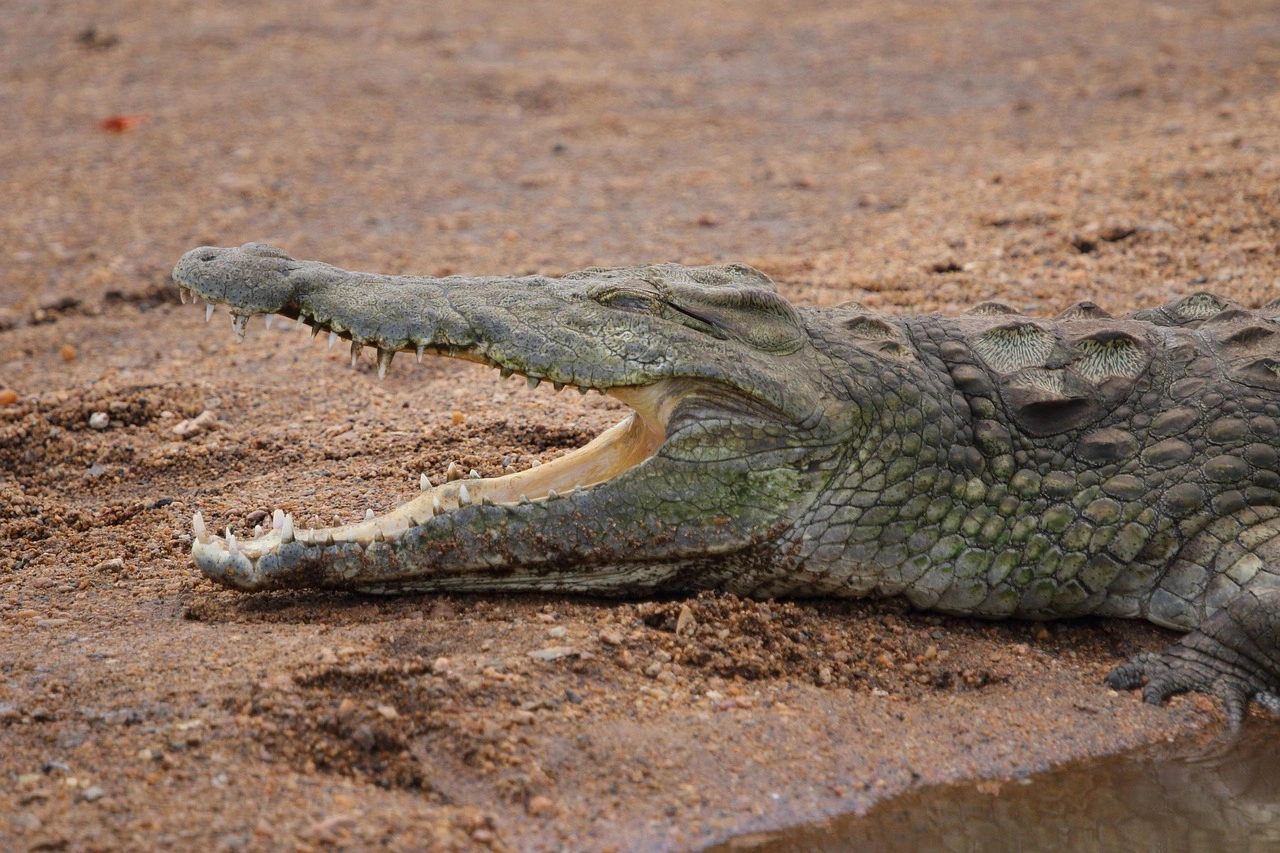 Nile Crocodile
Common
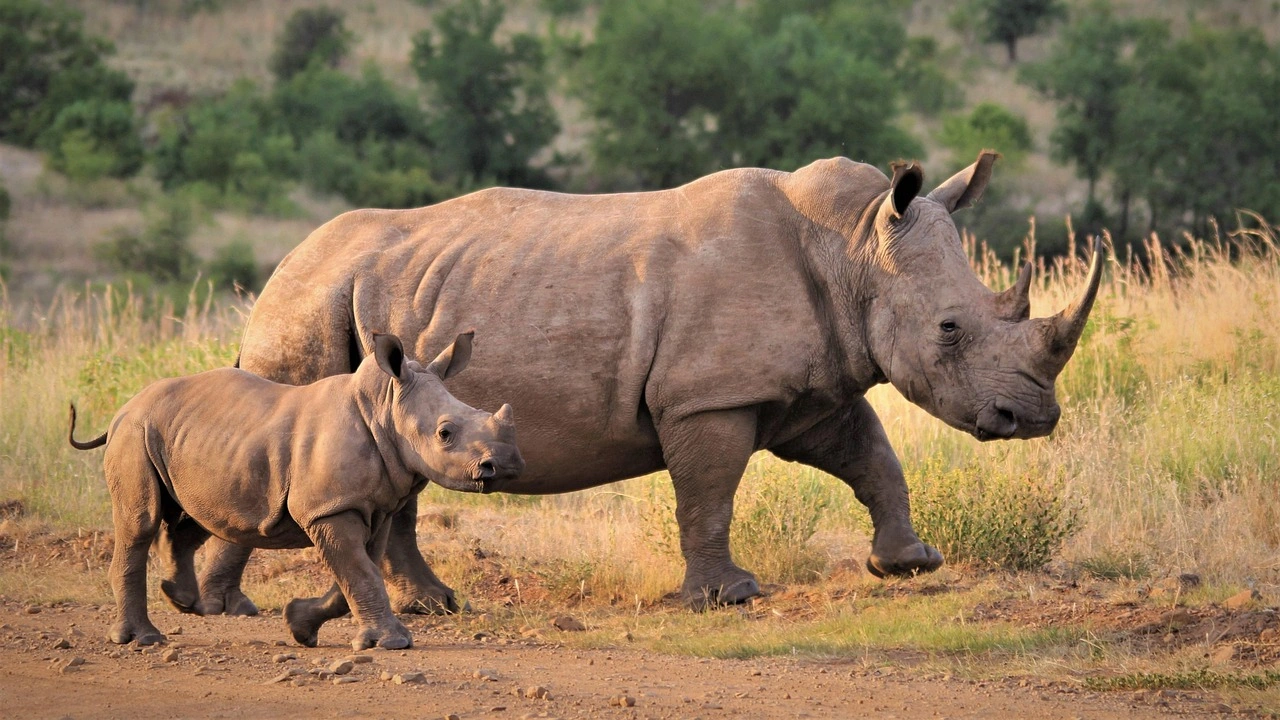 White Rhinoceros
Common
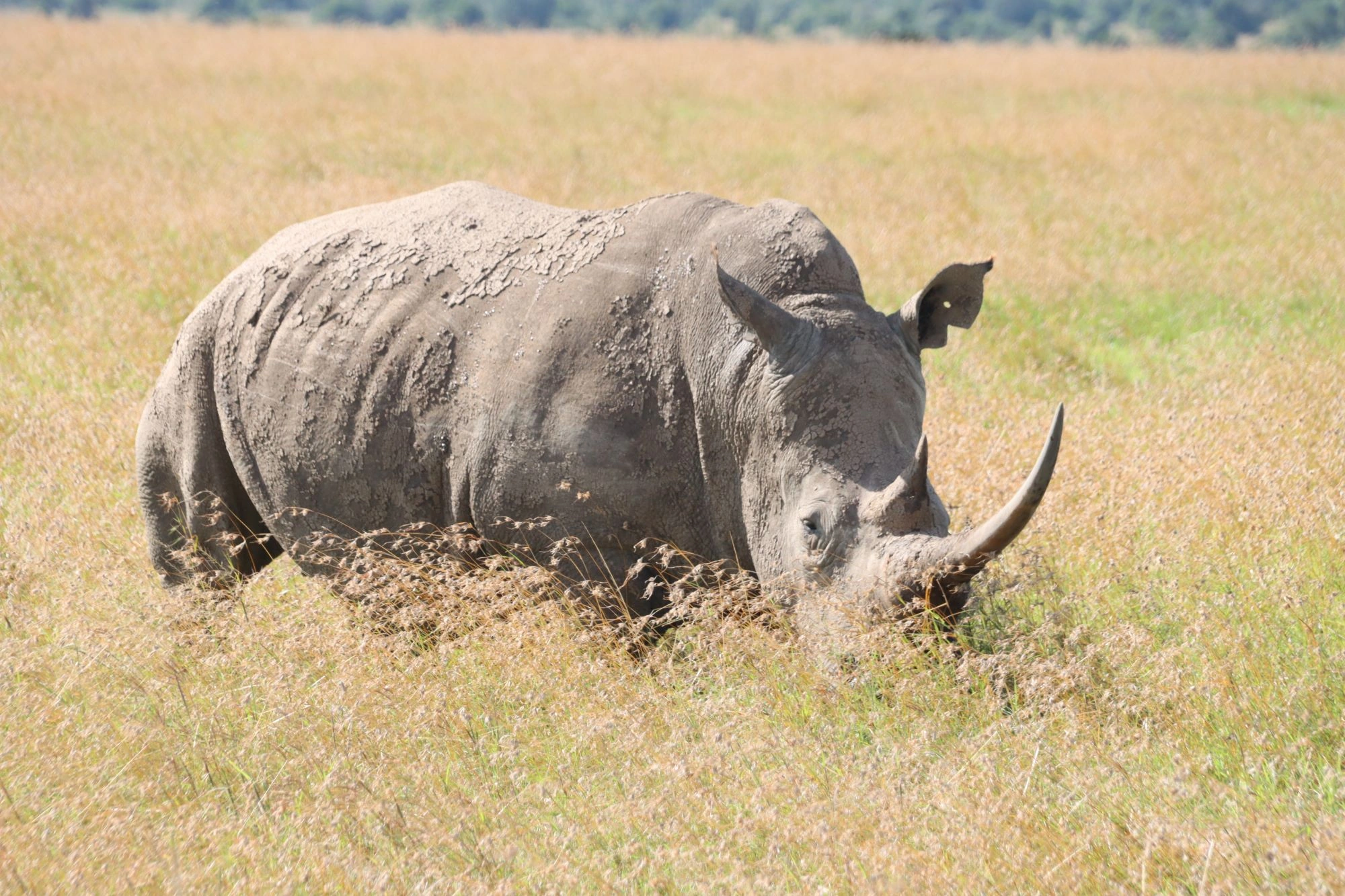 Black Rhinoceros
Rare
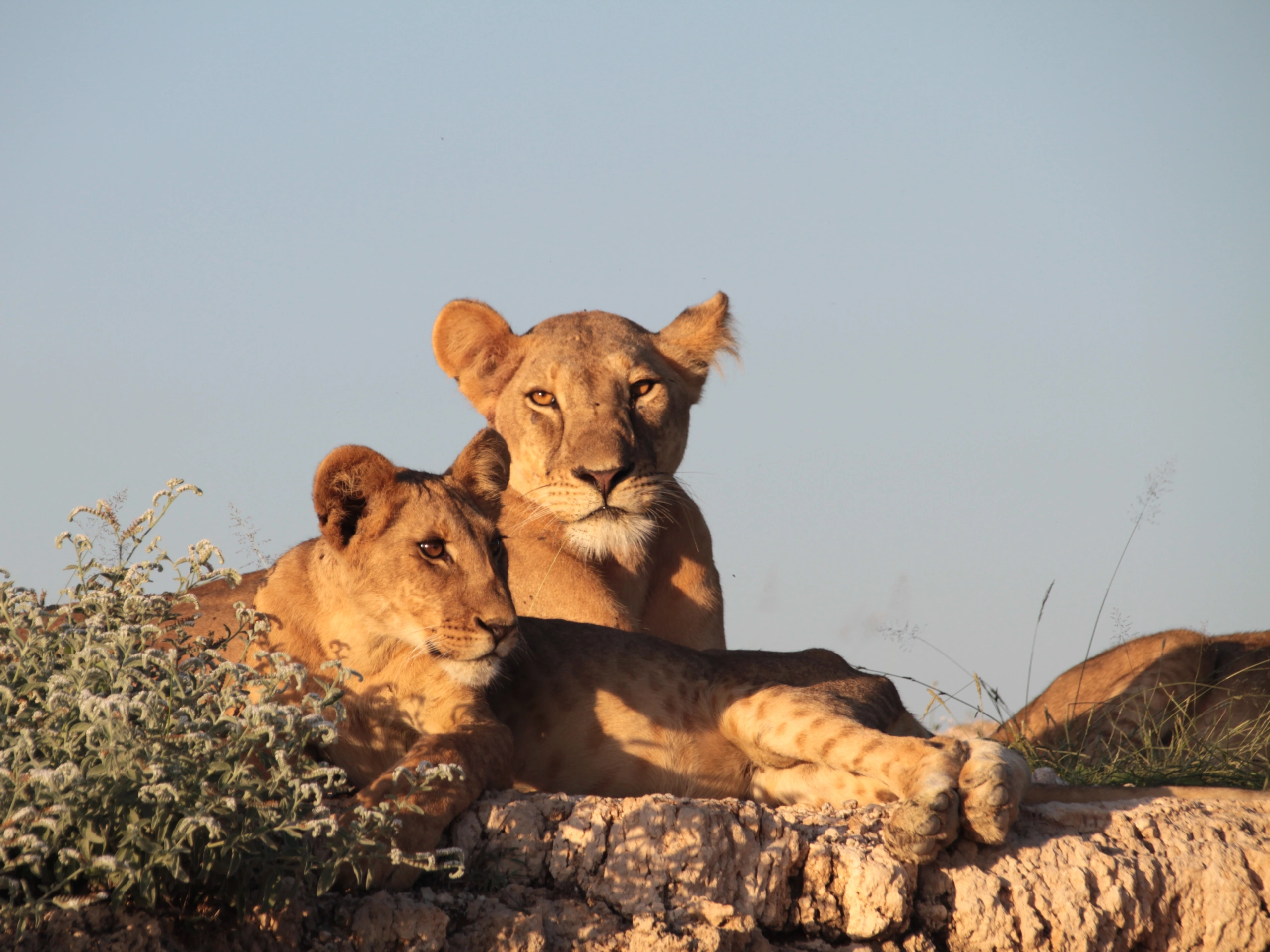 Lion
Occasional
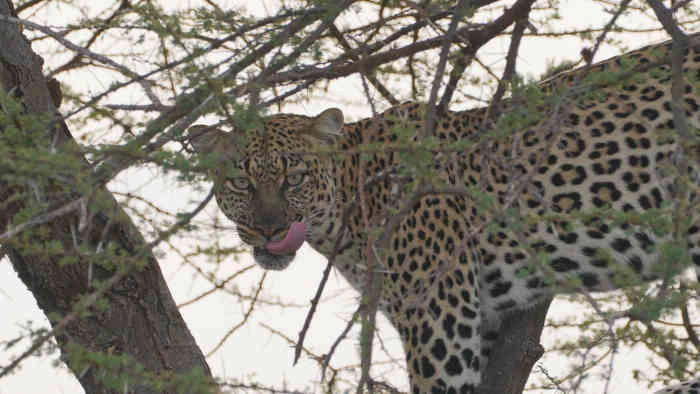 Leopard
Occasional
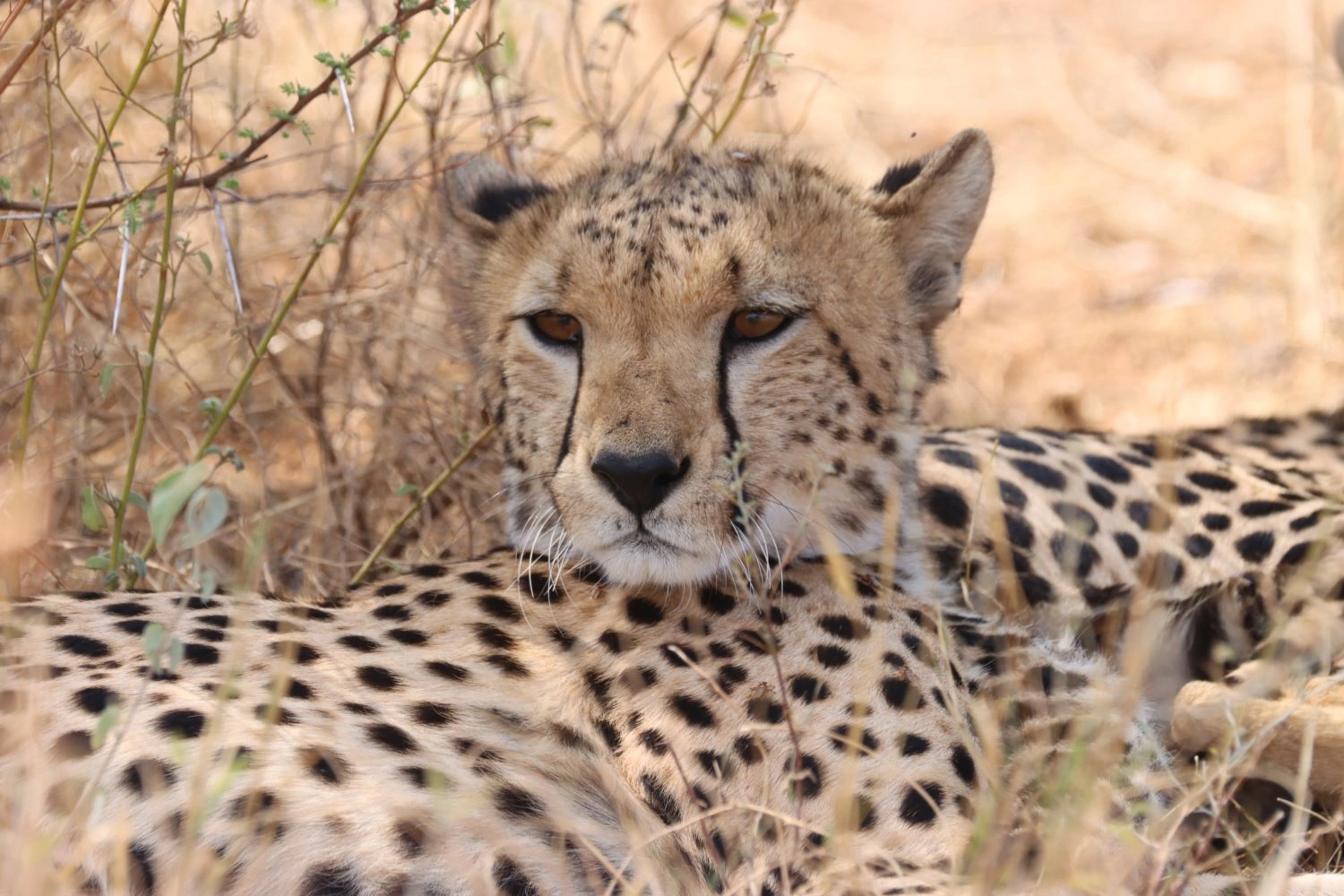 Cheetah
Rare
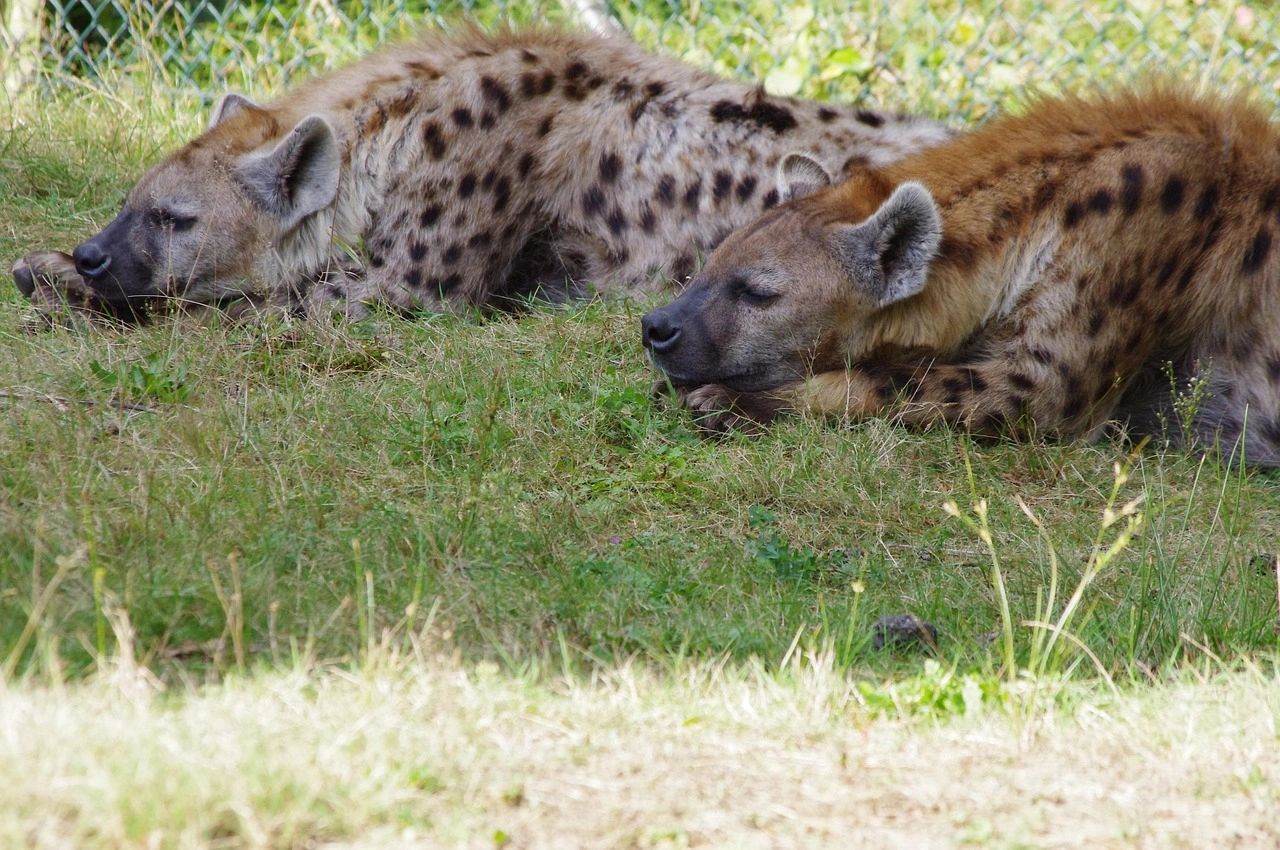 Spotted Hyena
Occasional
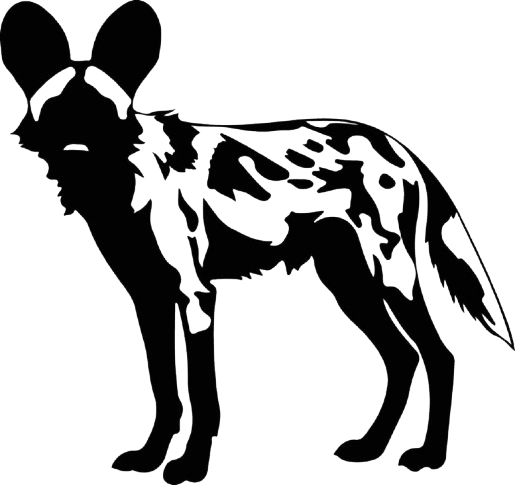 African Wild Dog
Rare to None
Birding
Birds of Meru National Park
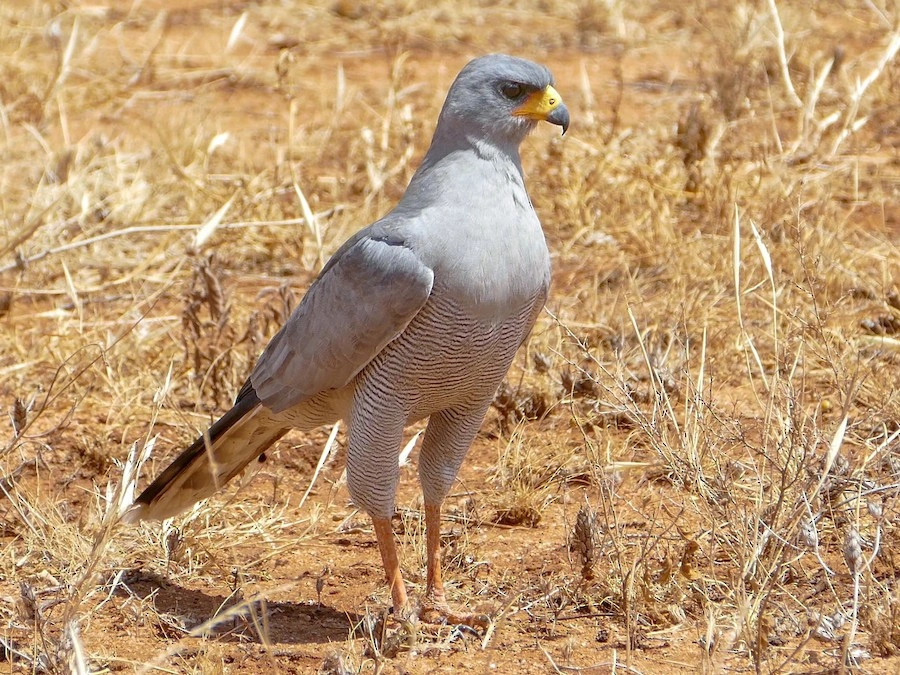
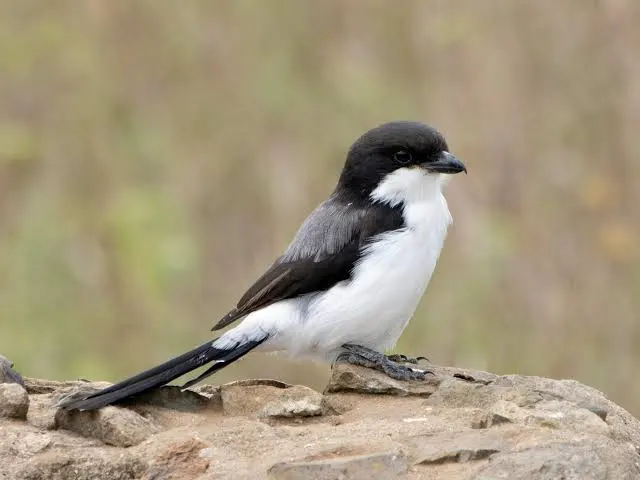
Almost 450 bird species have been recorded in Meru. The park is especially rewarding because northern dry-country birds overlap with river and woodland species. Somali ostrich, vulturine guineafowl, rosy-patched bush-shrike and golden-breasted starling are among the colourful northern species, while the larger rivers support specialists such as African finfoot and, with luck, Pel’s fishing-owl. Migrants are mainly present from November to April.
Notable Birds in Meru National Park
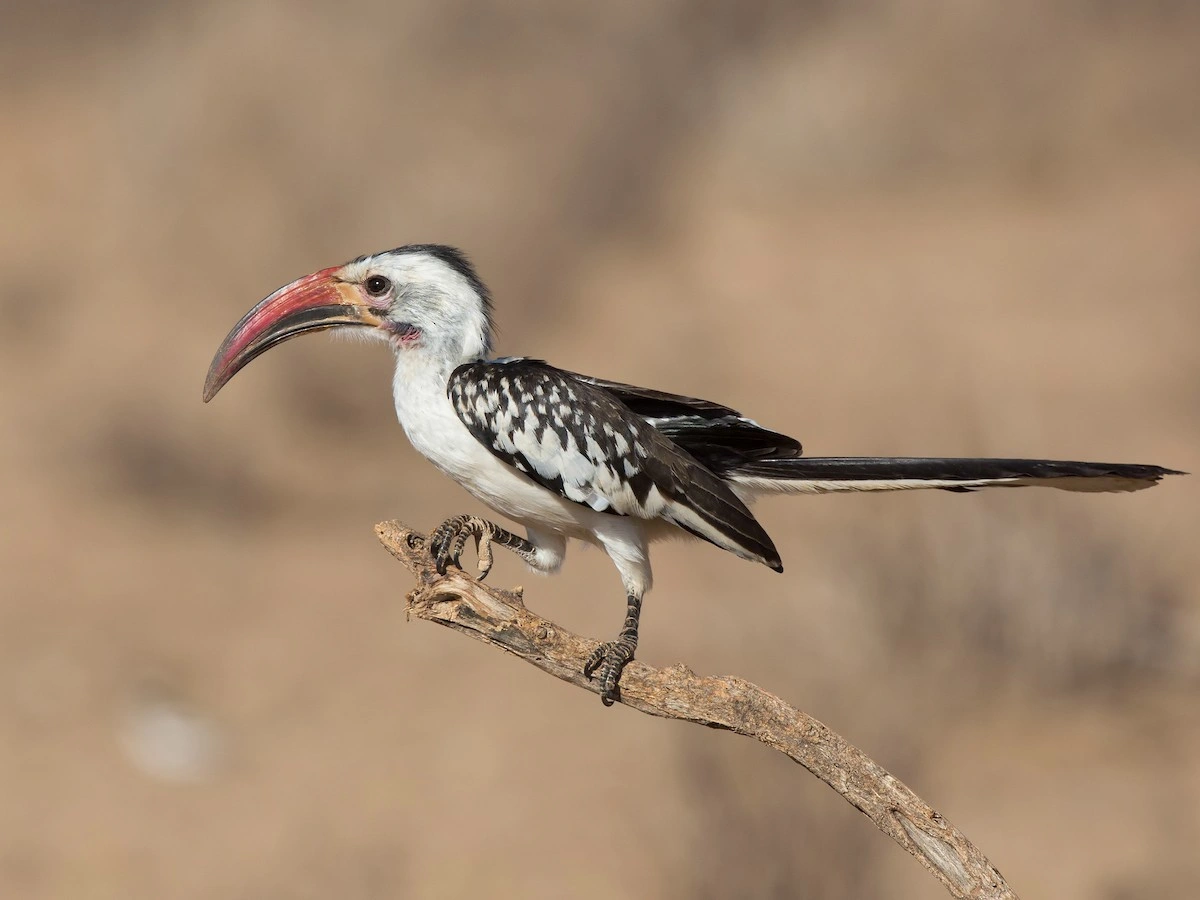
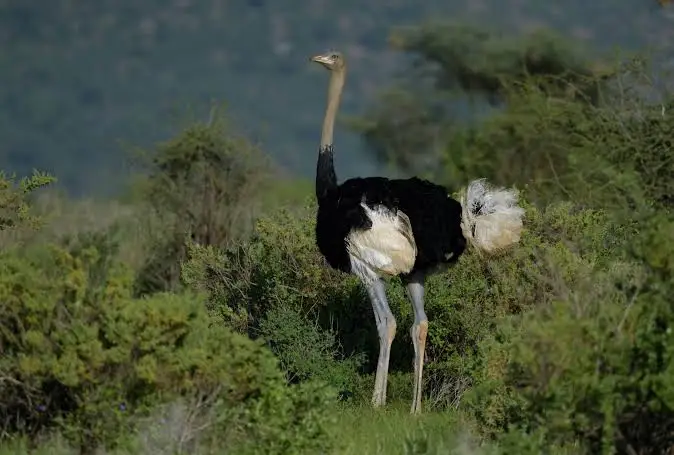
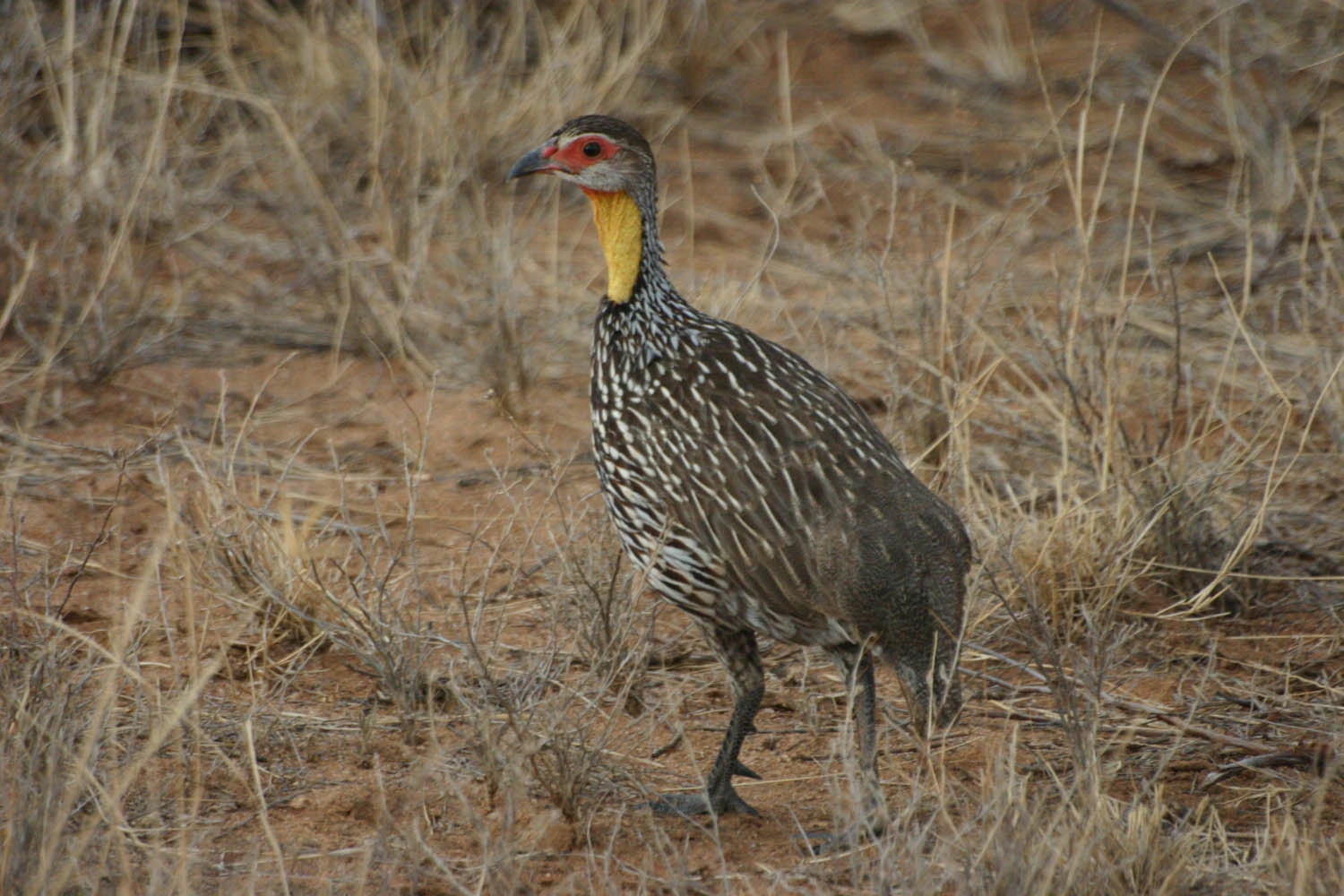
Birding Specials
Treats for avid birders(NE) near-endemic = mainly restricted to Kenya and neighbouring areas.
- Hinde's Pied Babbler
- Golden Palm Weaver
- Pel's Fishing-owl
- African Finfoot
- Eastern Crested Guineafowl
- Palm-nut Vulture
- Vulturine Guineafowl
- Rosy-patched Bush-shrike
- Golden-breasted Starling
- Somali Bee-eater
Planning by season
Best Time To Visit Meru National Park
June to October is generally best for wildlife viewing. Rainfall is low, grasses are shorter and animals become easier to locate around dependable water.
- June–October: best general wildlife conditions and easier road access.
- December–March: another rewarding period, with the park still rarely feeling crowded.
- November–May: greener landscapes and excellent birding, but long grass and rain can make wildlife harder to see and some roads more demanding.
Climate guide
Weather & Climate
Meru is warm to hot through much of the year. Daytime temperatures change less than rainfall patterns because of the park’s equatorial position. June to September is usually the driest period. Rain increases around October, with wetter conditions continuing through much of November to May. April and November can be particularly wet, while the dry months can become dusty.
Route planning
How To Get To Meru National Park
By road: KWS lists road approaches from Nairobi through Nyeri–Nanyuki–Meru or through Embu. The park is roughly 348 km from Nairobi by the northern approach, while the Embu/Ura route can be shorter depending on the chosen gate.
By air: Kinna, Mulika and Mughwongo airstrips serve the park and make fly-in itineraries possible.
Official park information: use the Kenya Wildlife Service Meru National Park page. Park-entry payment should be made through the official KWS eCitizen portal. Current conservation fees should always be confirmed through KWS rather than hard-coded into an itinerary.
Meru can be linked directly to Kora National Park via the wider Meru–Kora conservation landscape.
Map
Where is Meru National Park?
Safaris
Safaris Visiting Meru National Park
Published Greatlink routes that include this destination. Safari pricing is prepared from the traveller's enquiry.
14 Days / 13 Nights
14-Day Kenya Grand Safari: Tsavo, Samburu, Mara & Amboseli
Personalised Quote Based on your enquiry
View Safari