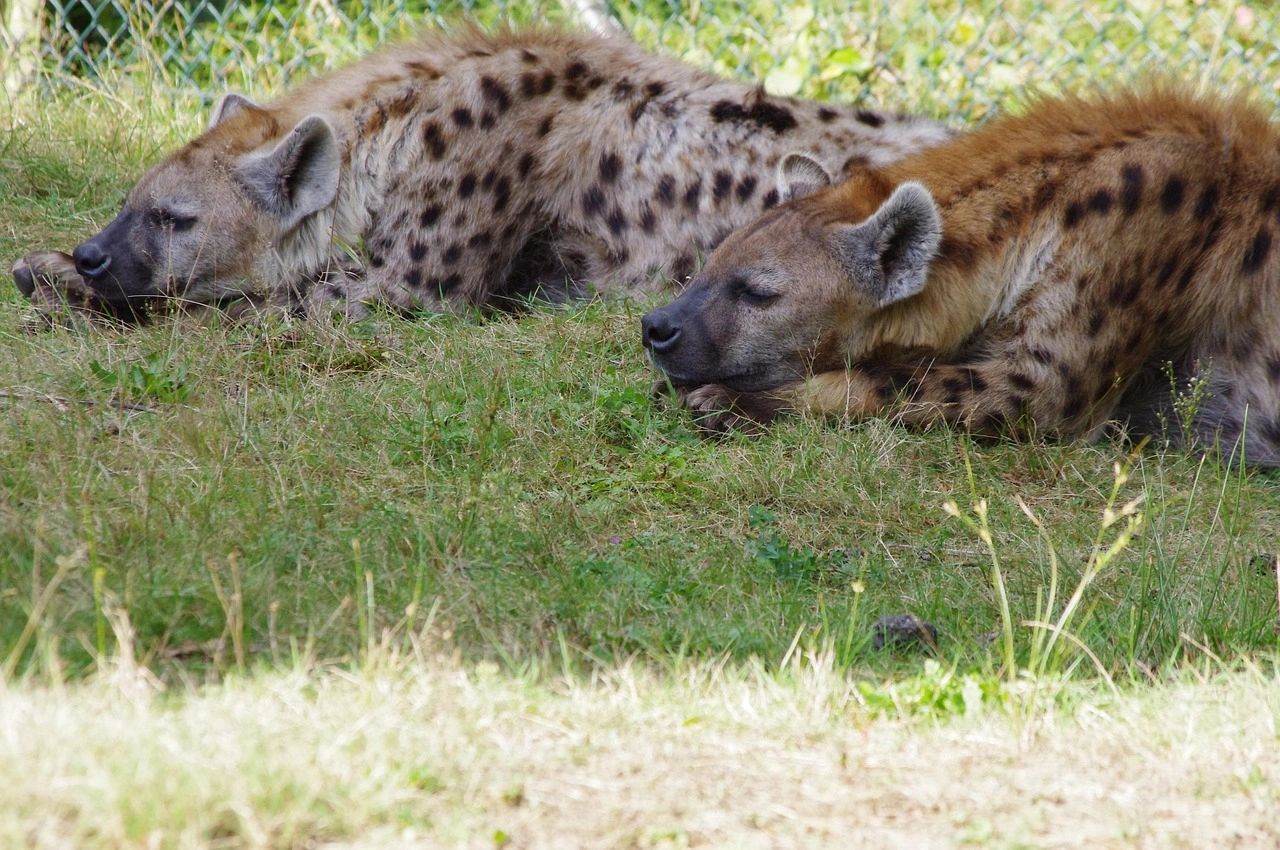
About the Spotted Hyena
Spotted hyenas have sloping backs, rounded ears, powerful forequarters and a sandy coat covered in dark spots. Their jaws and teeth are adapted for breaking bone.
They live in female-led clans that can contain dozens of individuals. Social relationships are complex, and members communicate with scent, posture and a wide range of calls including the famous long-distance whoop.
Safari context in Kenya: Within the current Greatlink Safaris destination network, useful places to look for this species include Amboseli National Park, Buffalo Springs National Reserve, and Masai Mara National Reserve. Sightings remain natural and unpredictable, so Greatlink Safaris plans around habitat, season and realistic wildlife expectations rather than guarantees. Travellers can also explore the Kenya wildlife guide or compare private Kenya safaris that visit suitable ecosystems.
Conservation: Spotted hyenas remain Least Concern globally but can decline rapidly where they are poisoned, persecuted or lose access to large prey populations. For the latest global assessment and taxonomic notes, consult the IUCN conservation reference. Kenya protected area information is also available from the Kenya Wildlife Service.
Interesting facts and identification clues
- Spotted hyenas are skilled hunters, not merely scavengers.
- Females are socially dominant over males in most clans.
- Powerful jaws allow them to process bone and hide that many predators leave behind.
- Whooping calls help clan members communicate over long distances.
- Watch interactions around kills carefully: hyena-lion competition can change quickly.
Responsible viewing: Keep a respectful distance, avoid blocking the animal’s route, keep noise low and follow the driver guide’s instructions. Wildlife behaviour changes with weather, breeding, food, water and human pressure, so every encounter should be treated as an unscripted observation.
Content reviewed 1 Oct 2026