
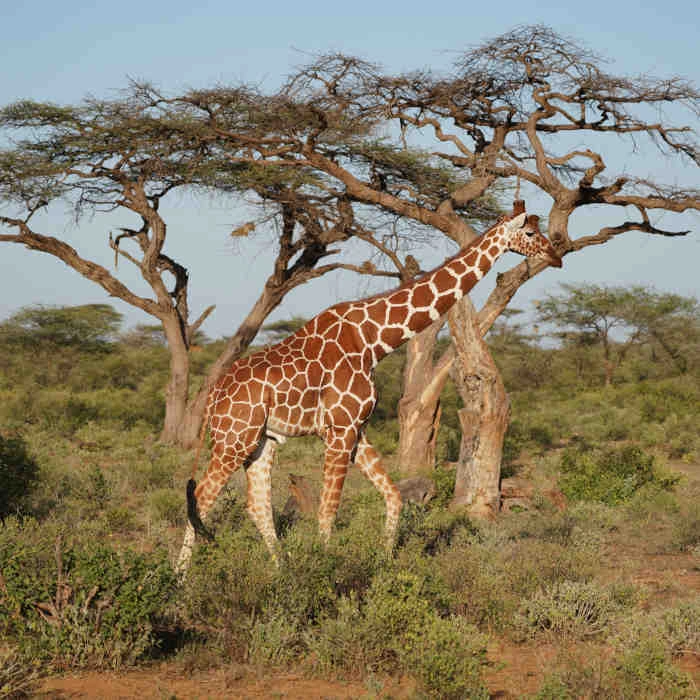
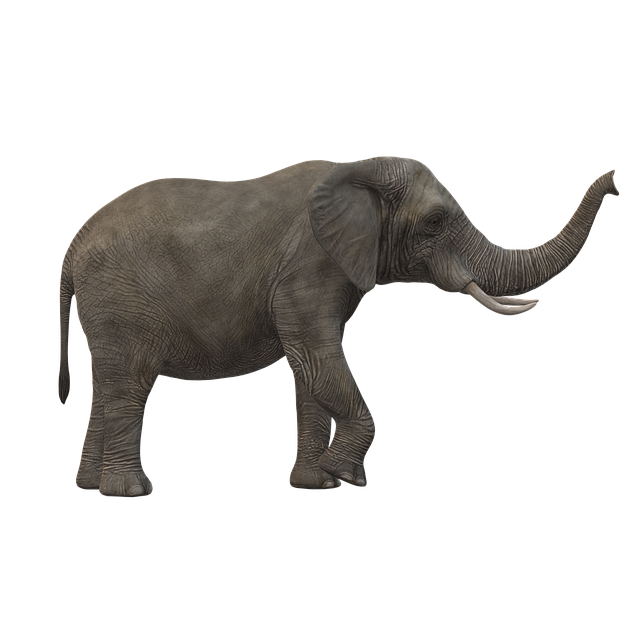
 African Elephant
Abundant
Overview
Samburu National Reserve Travel Guide
Samburu National Reserve introduces a very different side of Kenya from the broad southern savannahs. The reserve lies along the life-giving Ewaso Nyiro River, where riverine forest and doum palms cut a green corridor through dry acacia country, rocky ridges and ochre plains. This contrast makes Samburu both highly scenic and particularly rewarding for wildlife adapted to northern Kenya.
The reserve is best known for the Samburu Special Five: Grevy’s zebra, reticulated giraffe, Beisa oryx, gerenuk and Somali ostrich. Elephant herds are a major feature, while lion, leopard and cheetah are all possible. Samburu also works naturally with nearby Buffalo Springs National Reserve and, on a longer northern circuit, Ol Pejeta Conservancy.
The cultural setting is equally important. Samburu communities live around the reserve and add a strong human dimension to a northern Kenya safari. Travellers interested in this side of the journey can also explore our safari experiences and later combine Samburu with a tailored Kenya safari itinerary.
Why Visit Samburu National Reserve?
- Samburu Special Five: Grevy’s zebra, reticulated giraffe, Beisa oryx, gerenuk and Somali ostrich.
- Elephant country: large herds frequently move through the Ewaso Nyiro river corridor.
- Big cats: lion, leopard and cheetah occur, with particularly good leopard habitat close to the river.
- Northern scenery: semi-arid plains, rocky hills, acacia scrub, doum palms and the Ewaso Nyiro River.
- Birding: more than 390 species have been recorded across the Samburu–Buffalo Springs area, including many northeast African specials.
- Cultural context: the reserve lies in the homeland of the Samburu people.
Scenery & Habitats
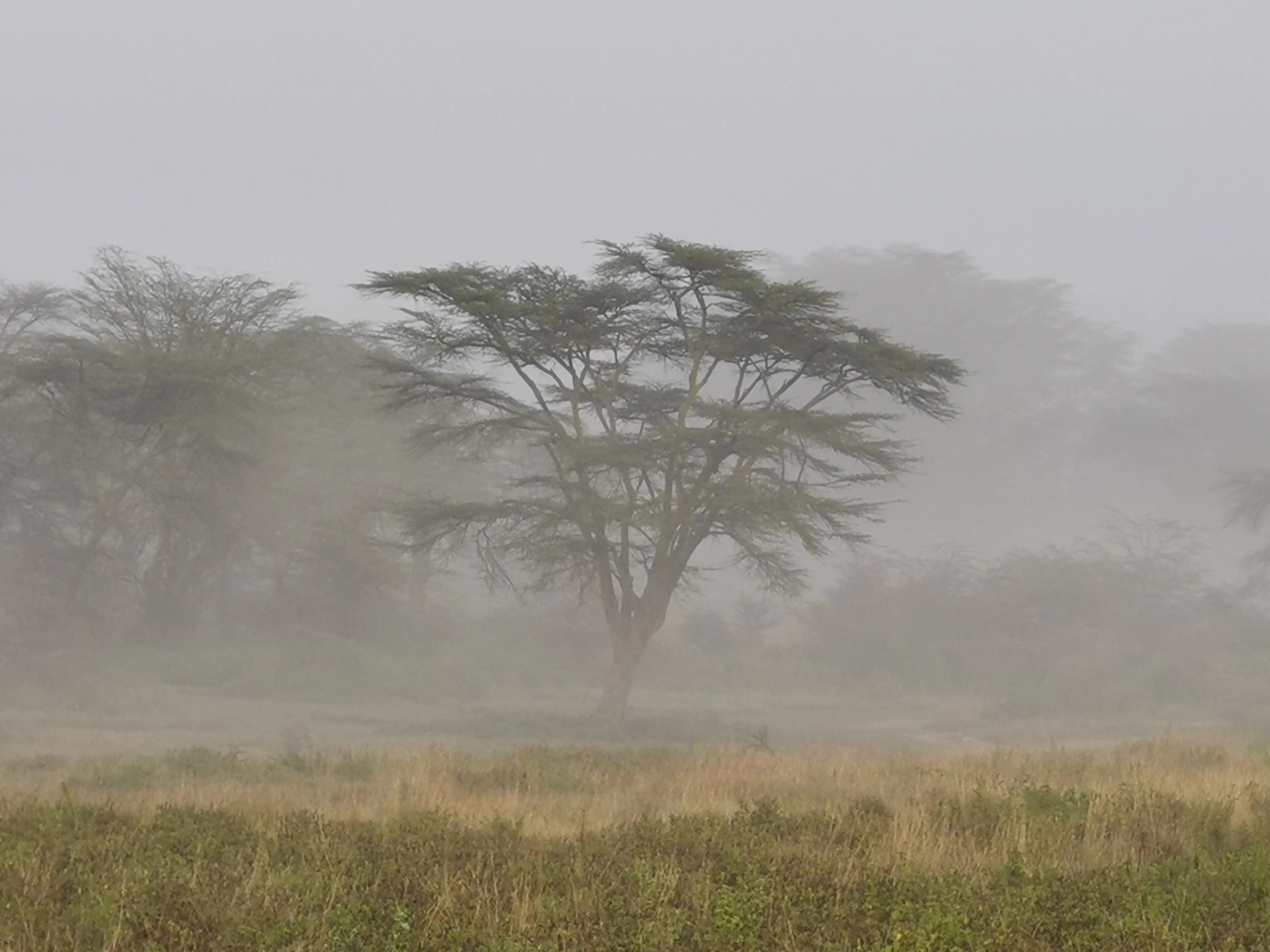
Samburu’s landscape is defined by contrast. A narrow belt of riverine forest follows the Ewaso Nyiro, while away from the water the terrain becomes dry acacia and Commiphora scrub, open savannah, sandy riverbeds, termite mounds and rocky outcrops. Koitogor Hill rises within the reserve and distant mountains frame many game-drive views.
Activities
Guided game drives are the main activity, with early mornings and late afternoons offering cooler conditions and attractive light. Birding is excellent, especially for dry-country species. Cultural visits outside the reserve can be arranged responsibly with local Samburu communities. Samburu is also a natural component of northern circuits linking Buffalo Springs, Ol Pejeta and the Laikipia region.
Wildlife
Wildlife in Samburu National Reserve
Samburu combines familiar safari animals with species rarely seen on Kenya’s southern circuits. Elephants are especially prominent, while leopard, lion and cheetah are all present. The dry-country specialists are a major reason to visit: Grevy’s zebra, reticulated giraffe, Beisa oryx, gerenuk and lesser kudu all occur here. Rhino are not resident in the reserve. The abundance labels below are practical safari-planning guidance rather than wildlife census data.
AbundantCommonOccasionalRareNone
African Elephant
Abundant
 Reticulated Giraffe
Common
 Grevy's Zebra
Common
 Beisa Oryx
Common
 Gerenuk
Common
 Lesser Kudu
Common
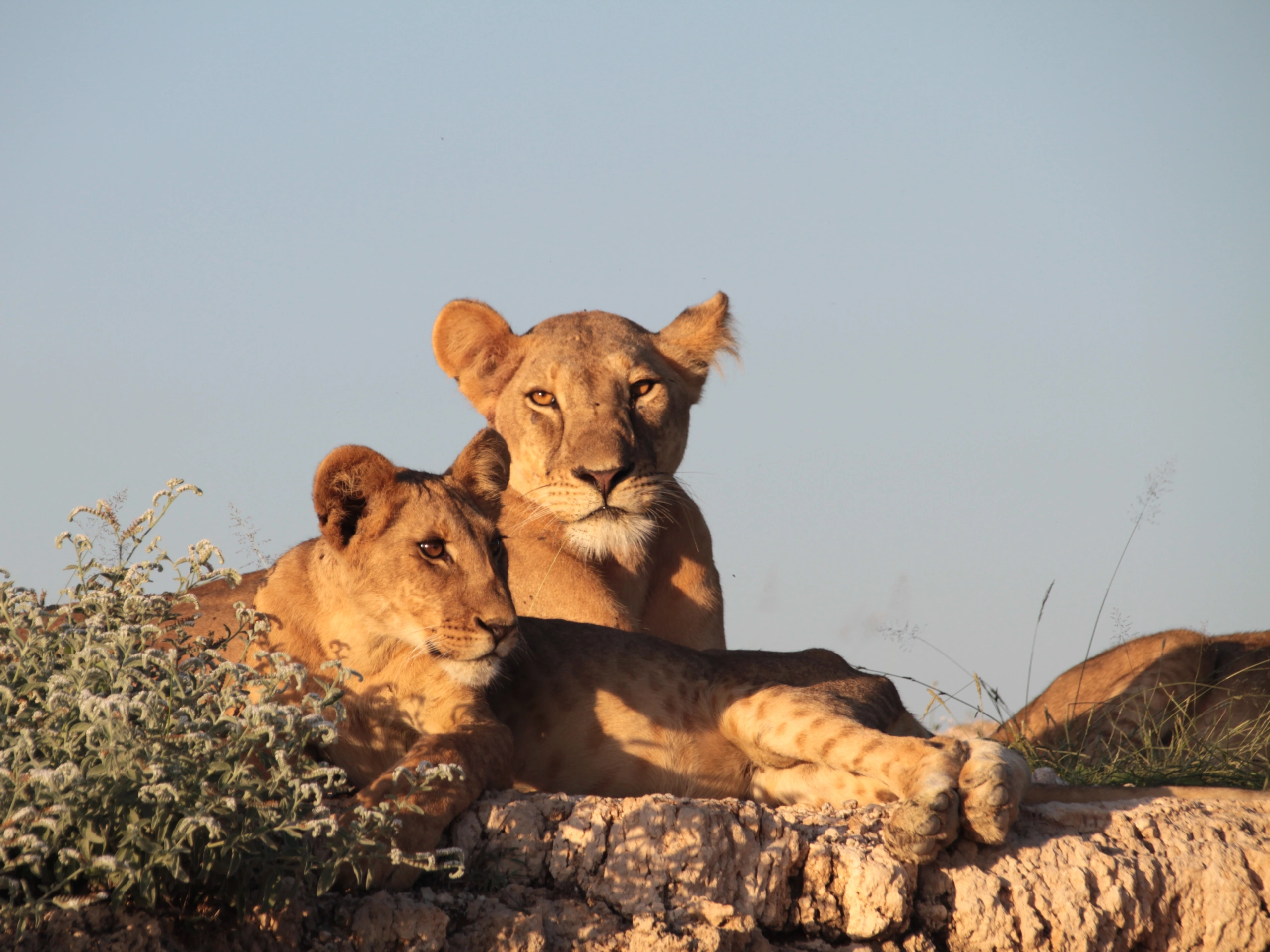 Lion
Common
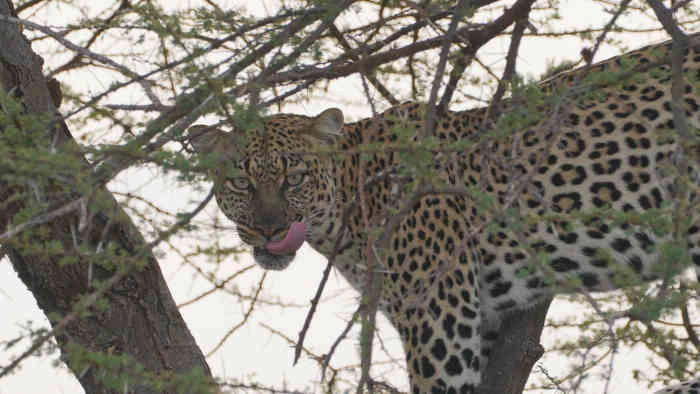 Leopard
Common
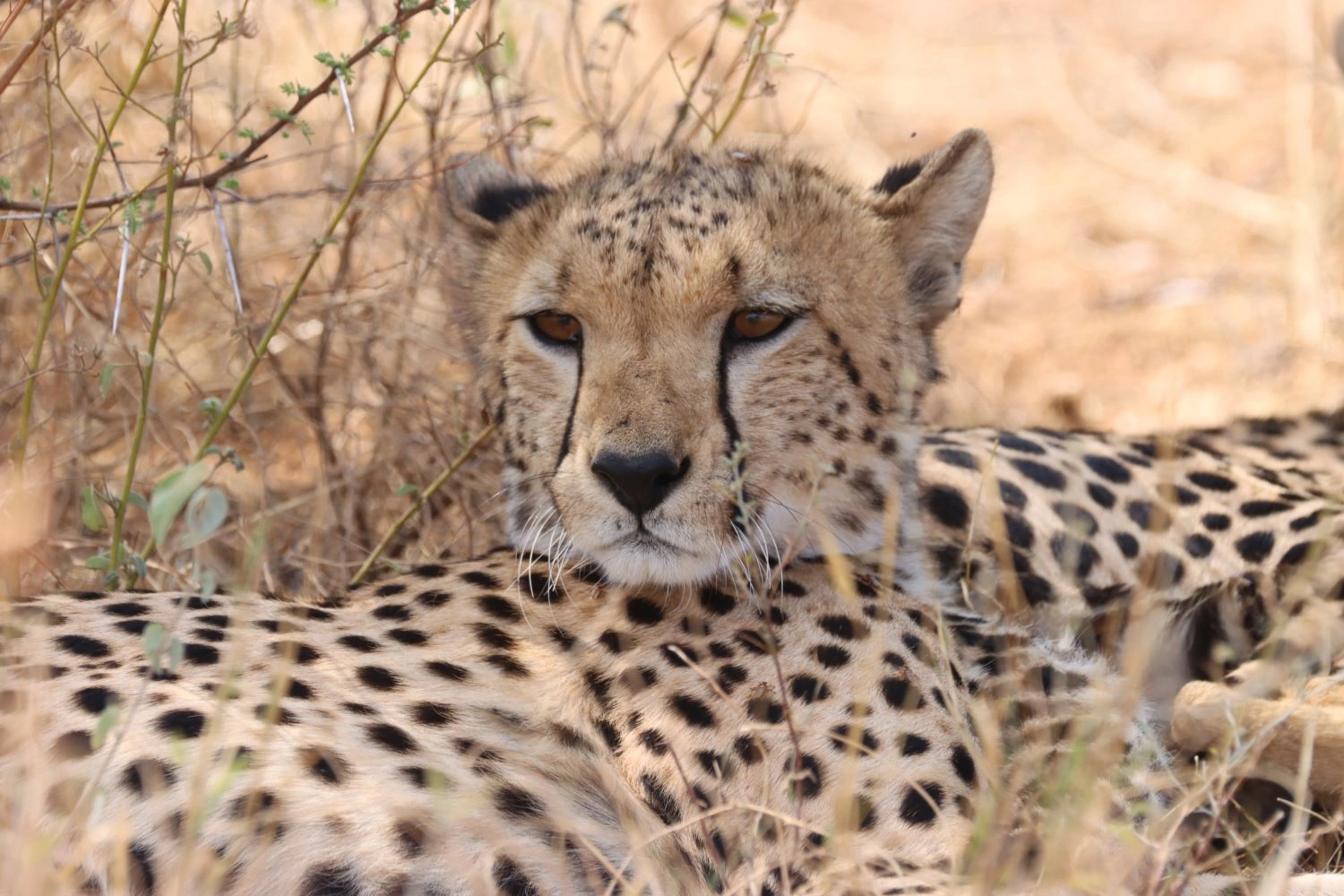 Cheetah
Occasional
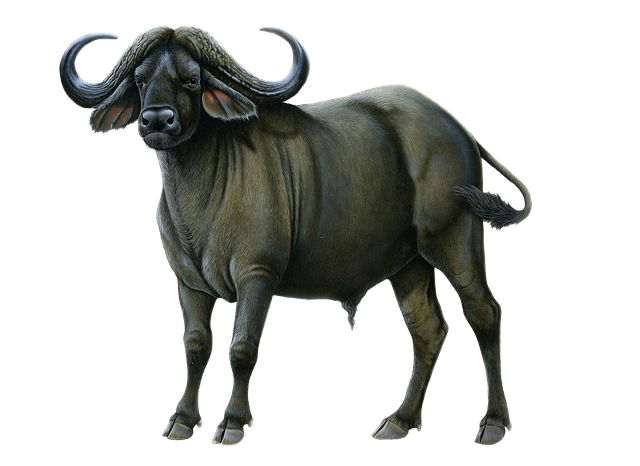 African Buffalo
Common
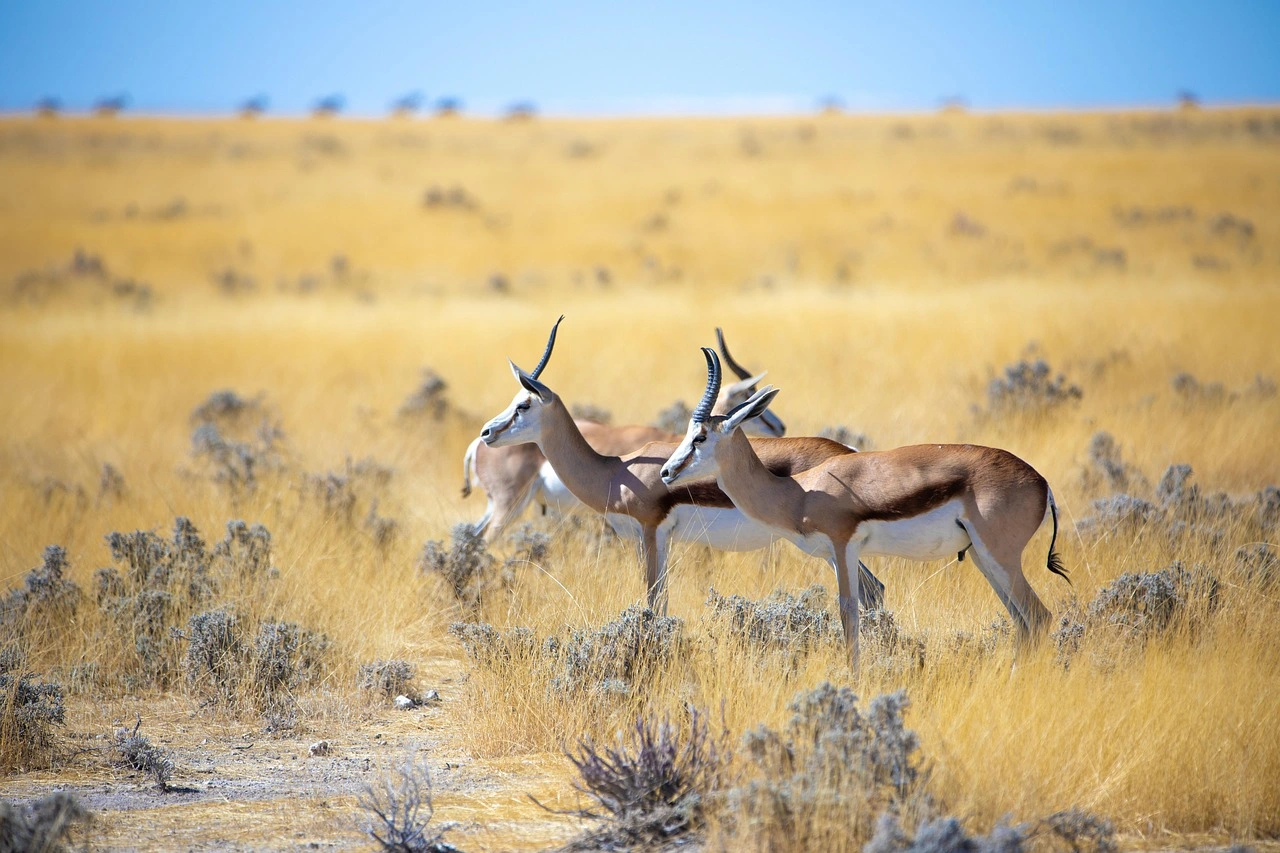 Impala
Common
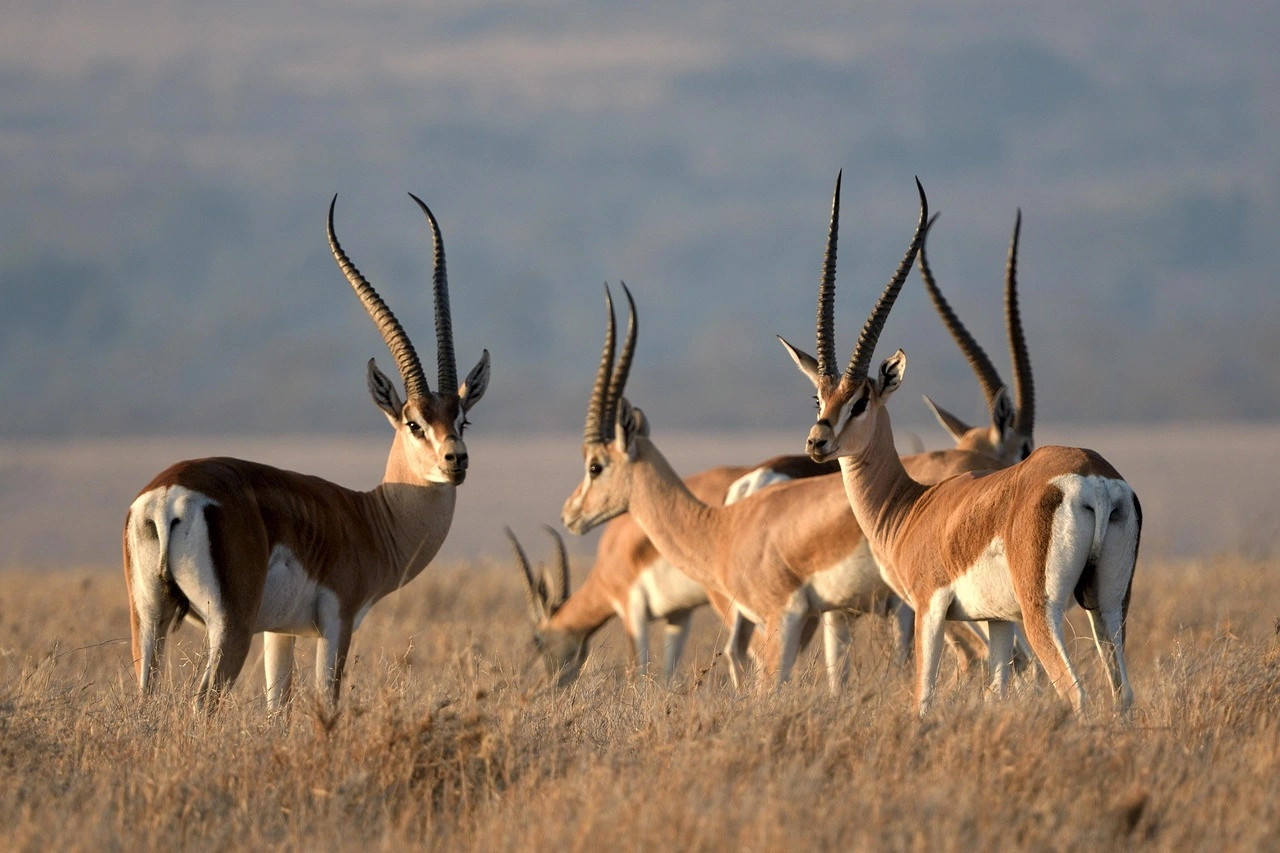 Grant's Gazelle
Common
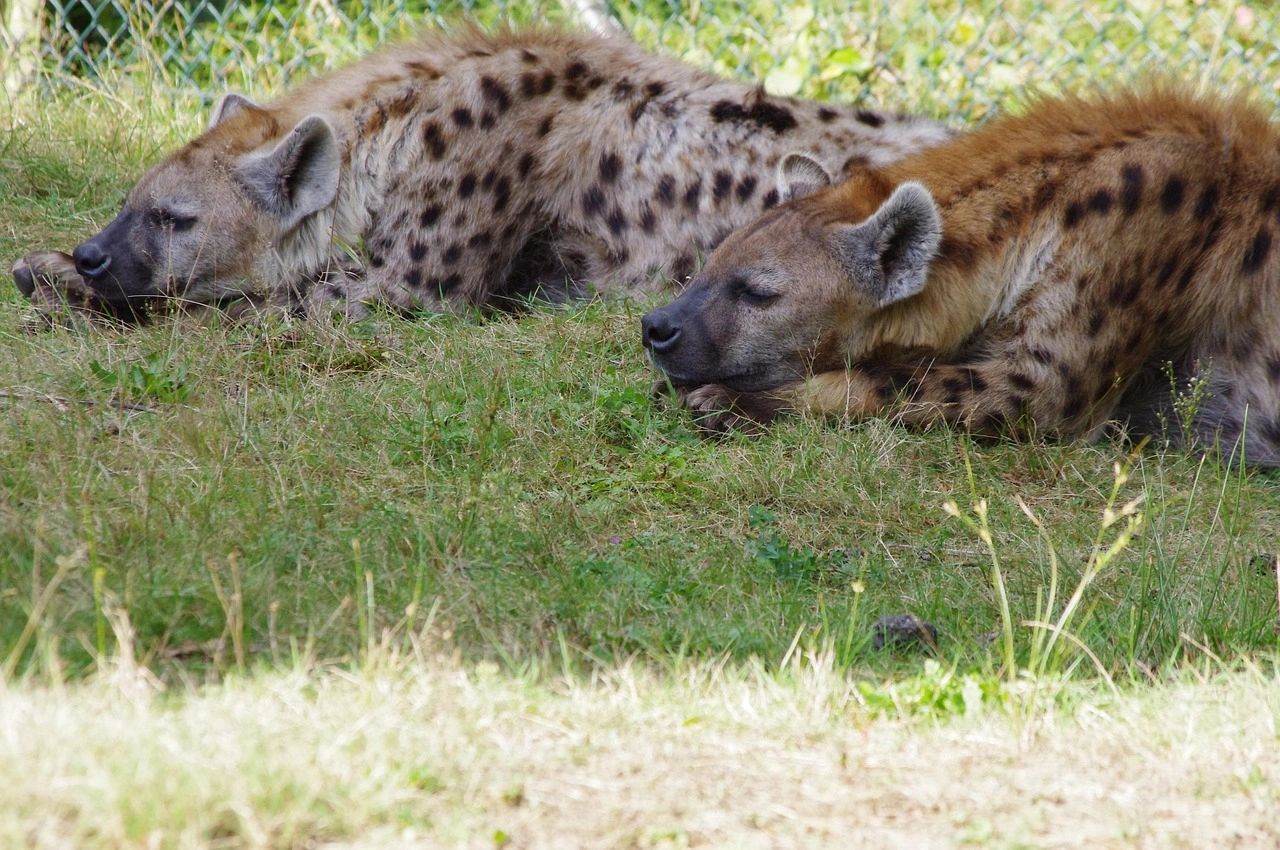 Spotted Hyena
Common
Greater Kudu
Rare
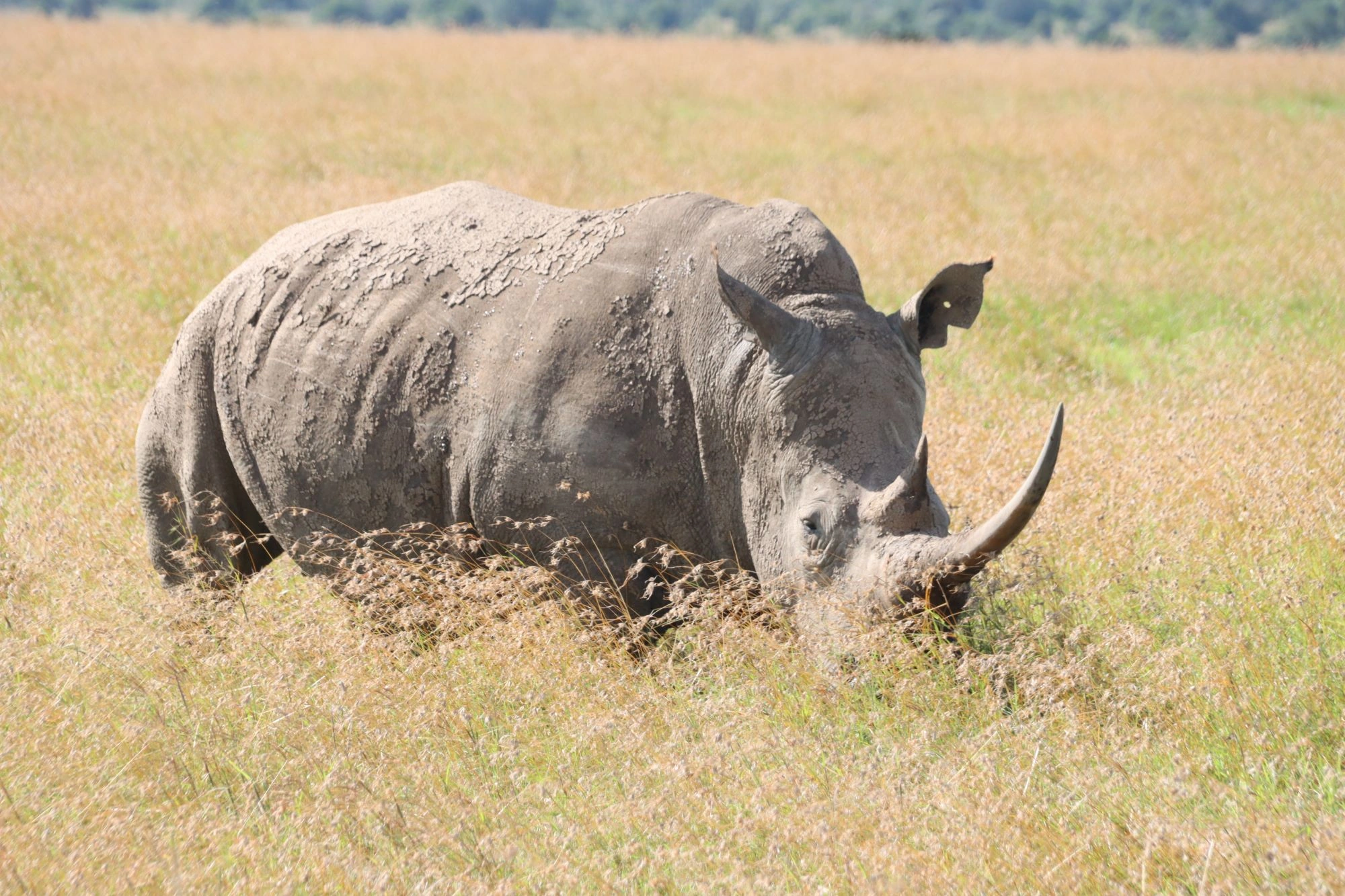 Black Rhinoceros
None
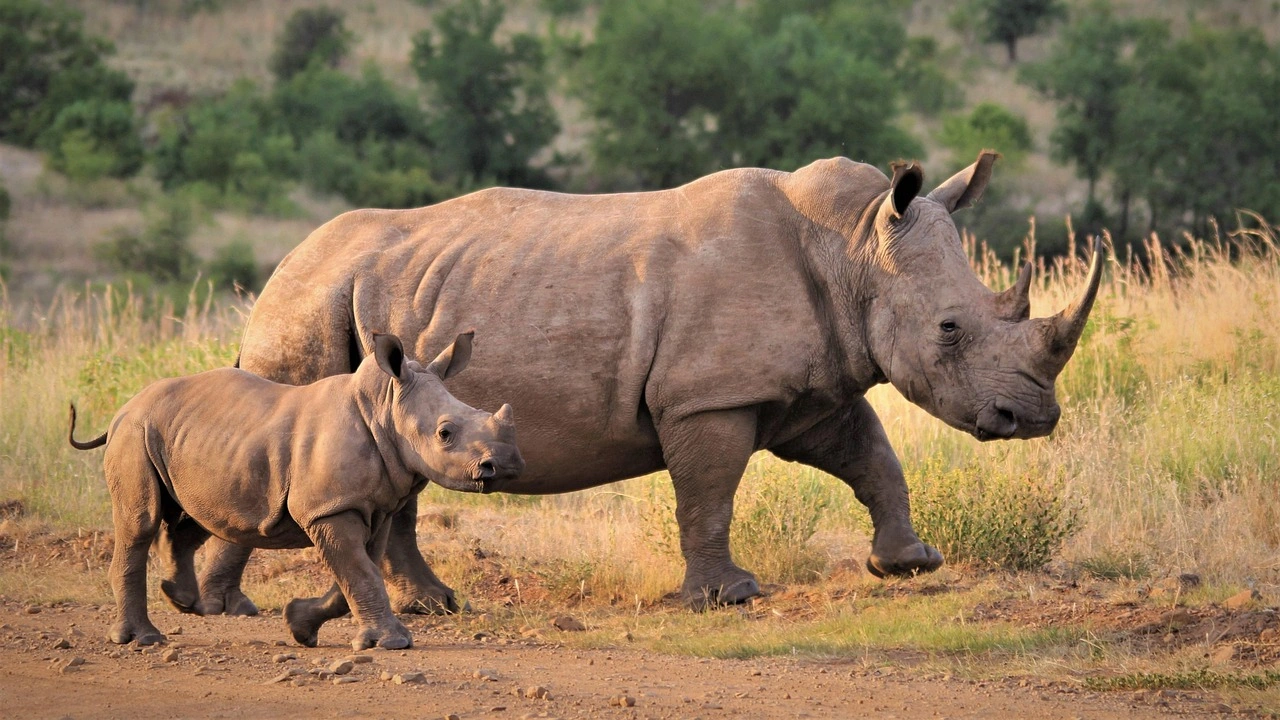 White Rhinoceros
None
Birding
Birds of Samburu National Reserve
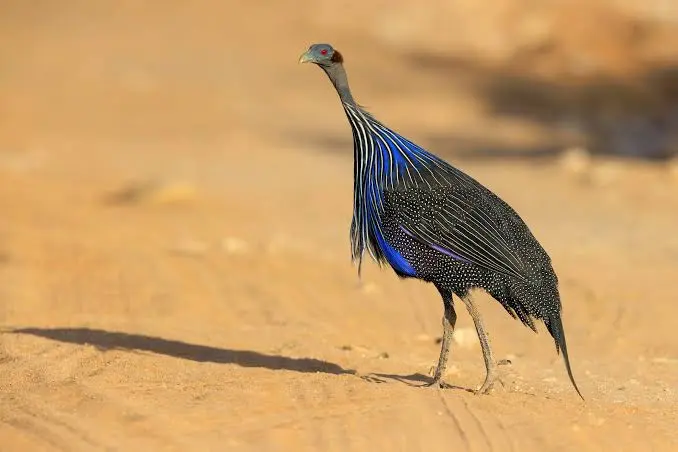
Samburu and neighbouring Buffalo Springs together support more than 390 recorded bird species. The mix of arid acacia country, scrub and Ewaso Nyiro riverine forest is particularly good for northeast African dry-country birds such as vulturine guineafowl, Somali bee-eater, golden-breasted starling and Somali ostrich. Migrants add further diversity mainly from November to April.
Notable Birds in Samburu National Reserve
Black-capped Social Weaver
Common
Black-faced Sandgrouse
Common
D'Arnaud's Barbet
Common
White-bellied Bustard
Common
Birding Specials
Treats for avid birders(NE) near-endemic = mainly restricted to Kenya and neighbouring areas.
- Somali Ostrich
- Somali Bee-eater
- Golden-breasted Starling
- Fischer's Starling
- Rosy-patched Bush-shrike
- Red-bellied Parrot
- Von der Decken's Hornbill
- Secretary Bird
- Black-bellied Sunbird
- White-headed Mousebird
Planning by season
Best Time To Visit Samburu National Reserve
June to September and January to February are generally best for wildlife viewing. Water becomes more important during the dry months, drawing animals toward the Ewaso Nyiro and remaining water points while vegetation is less dense.
- June–September: very dry, sunny and usually excellent for wildlife viewing.
- January–February: another useful dry window with strong game viewing.
- November–April: rewarding for birding because migrants are present, although the wettest spells can affect roads and visibility.
Climate guide
Weather & Climate
Samburu is hot and semi-arid for much of the year, but temperatures fall noticeably at night and before sunrise. The driest period is usually June to September, followed by another hot dry spell in January and February. Rain tends to arrive in two main periods, roughly October to December and March to May. The landscape becomes greener after rain, while the dry months are dustier and more open.
Route planning
How To Get To Samburu National Reserve
By road: Samburu lies roughly 350 km north of Nairobi. Most road itineraries travel through Nanyuki and Isiolo before continuing toward Archer’s Post and the reserve. Allow a full travel day because journey time can vary considerably.
By air: scheduled safari flights from Nairobi’s Wilson Airport serve airstrips in the wider Samburu–Buffalo Springs area, making Samburu easy to combine with other fly-in destinations.
Official reserve information: see the County Government of Samburu tourism information. Samburu National Reserve is county-managed rather than a KWS national park, so the KWS eCitizen park-entry portal should not be assumed to apply. Confirm the current official ticketing/payment channel with Samburu County, your lodge or Greatlink Safaris before travel.
What to do
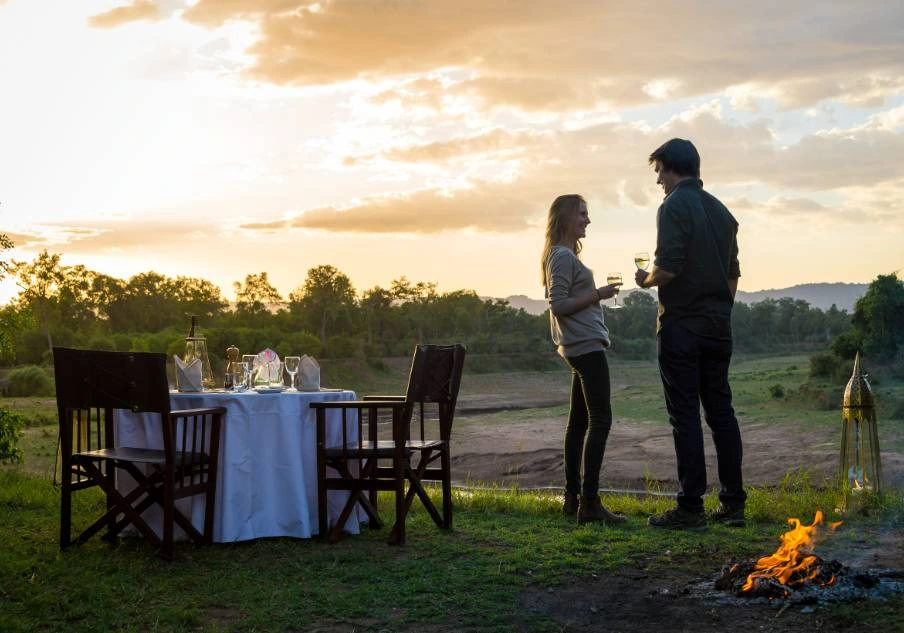
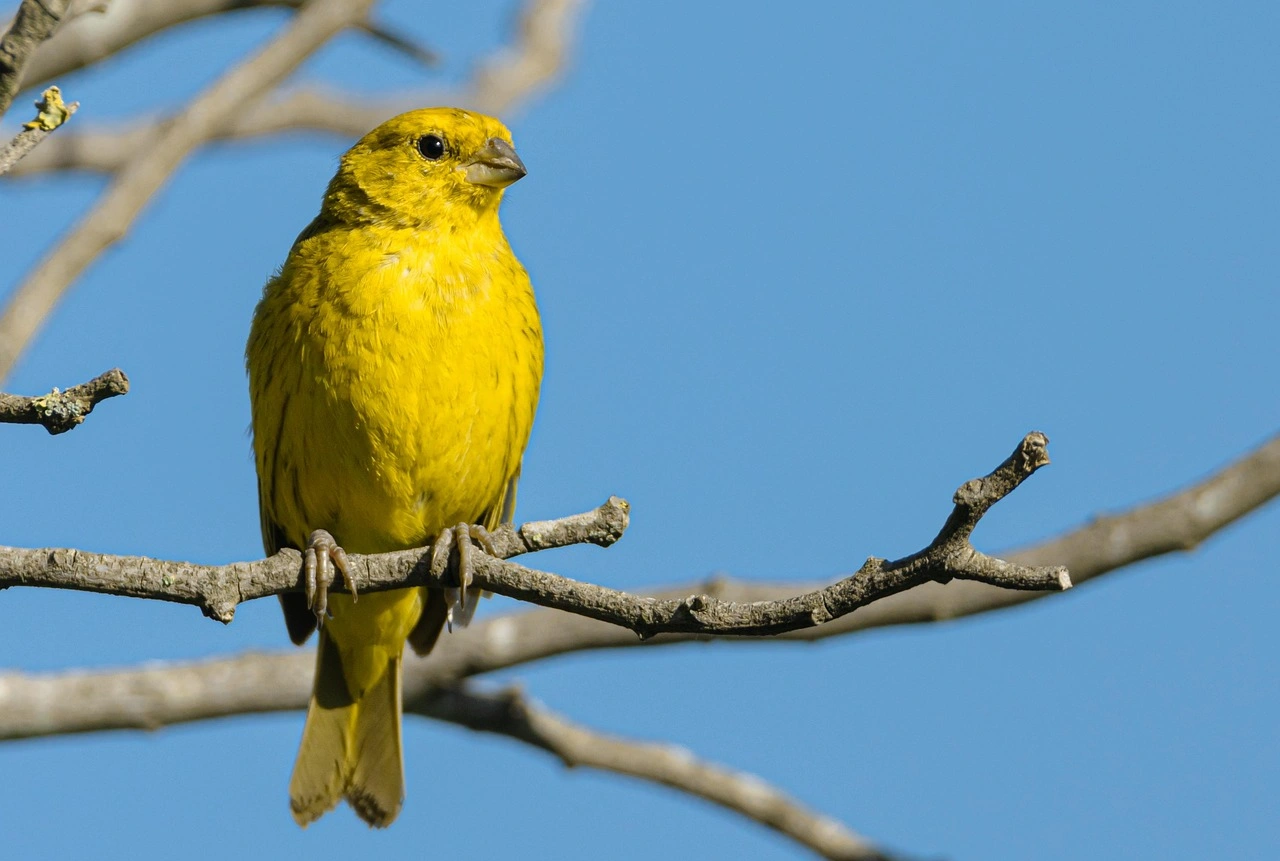
Experiences in Samburu National Reserve
These experience guides are linked directly to this destination.
Map
Where is Samburu National Reserve?
Safaris
Safaris Visiting Samburu National Reserve
Published Greatlink routes that include this destination. Safari pricing is prepared from the traveller's enquiry.
14 Days / 13 Nights
14-Day Kenya Grand Safari: Tsavo, Samburu, Mara & Amboseli
Personalised Quote Based on your enquiry
View Safari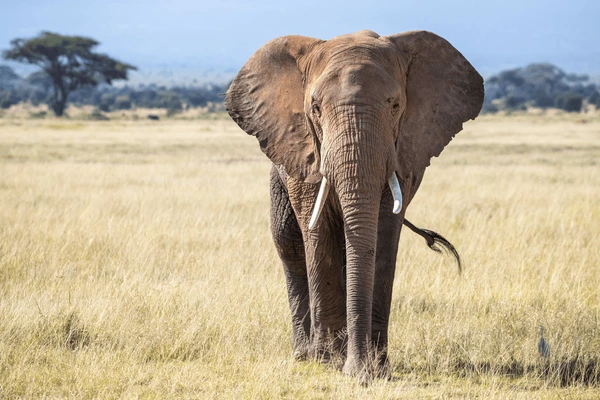
14 Days / 13 Nights
14-Day Kenya Wildlife Photography Safari: Samburu, Solio, Mara & Amboseli
Personalised Quote Based on your enquiry
View Safari12 Days / 11 Nights
12-Day Masai Mara, Samburu & Kenya Coast Honeymoon Safari
Personalised Quote Based on your enquiry
View Safari
11 Days / 10 Nights
11-Day Rift Valley Lakes, Samburu & Mount Kenya Birding Safari
Personalised Quote Based on your enquiry
View Safari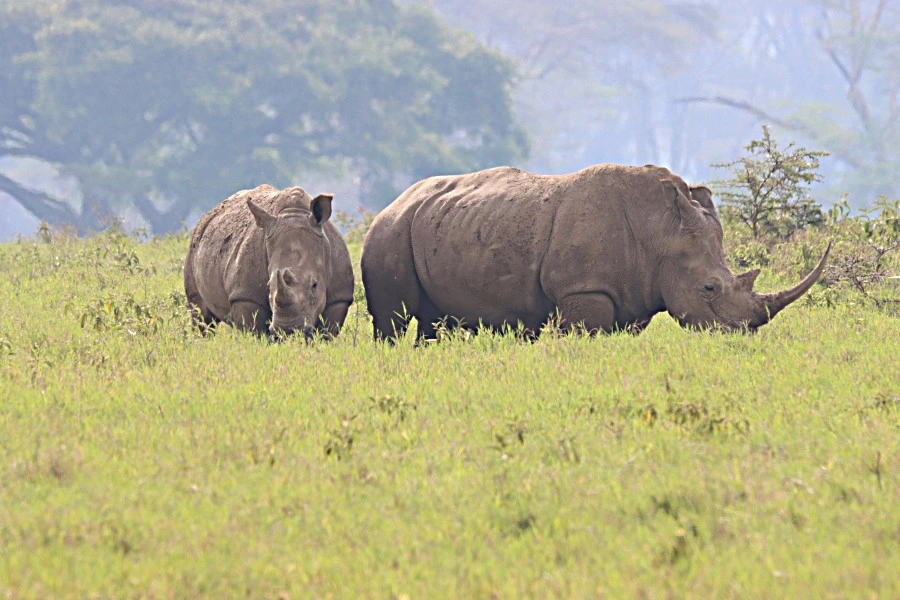
7 Days / 6 Nights
7-Day Samburu, Ol Pejeta, Lake Nakuru & Masai Mara Safari
Personalised Quote Based on your enquiry
View Safari
6 Days / 5 Nights
6-Day Amboseli, Samburu & Masai Mara Fly-In Safari
Personalised Quote Based on your enquiry
View Safari