
 African Elephant
Abundant
Overview
Buffalo Springs National Reserve Travel Guide
Buffalo Springs National Reserve lies on the southern side of the Ewaso Nyiro River opposite Samburu National Reserve. Although it is often included under the broader “Samburu” safari label, Buffalo Springs is a separate reserve in Isiolo County and deserves to be treated as a destination in its own right.
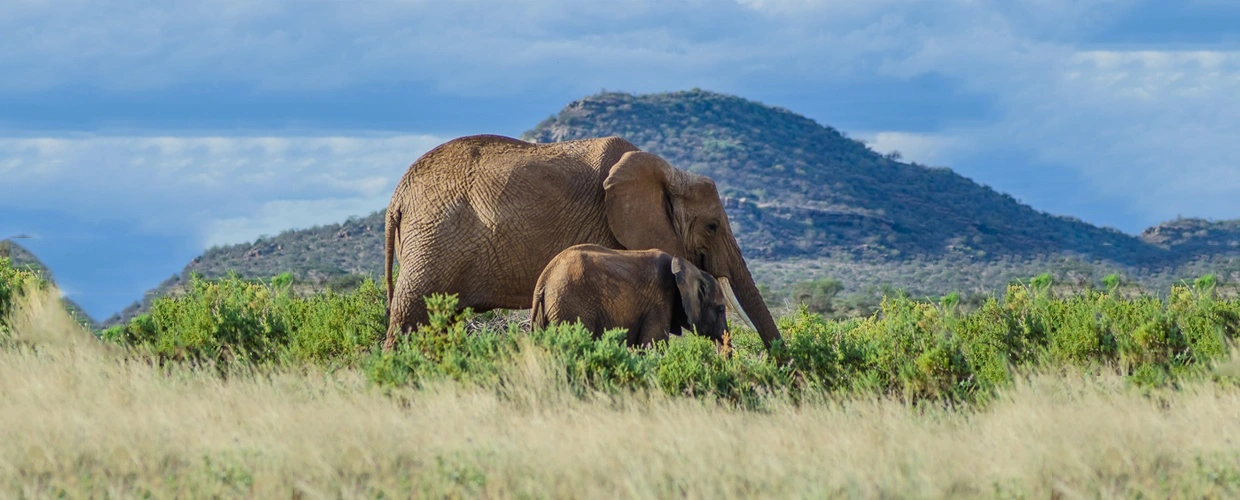
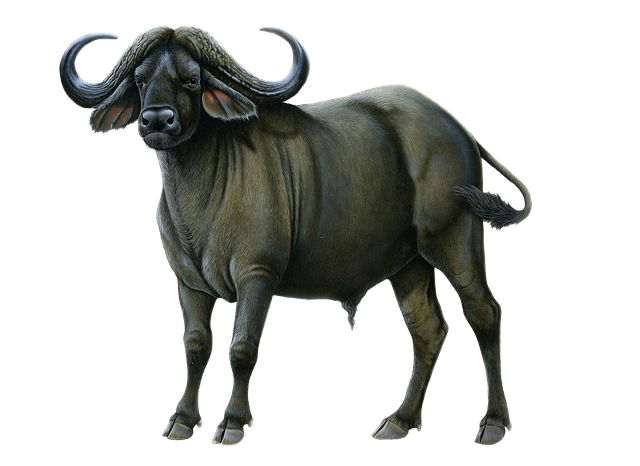
The reserve shares much of the same northern Kenya wildlife character: elephant, leopard, lion and buffalo can be seen alongside Grevy’s zebra, reticulated giraffe, Beisa oryx, gerenuk and lesser kudu. Its natural springs provide reliable water and can become particularly active wildlife areas in dry conditions.
Buffalo Springs is useful for travellers who want a quieter northern safari or who are staying on the Isiolo side of the ecosystem. It combines well with Samburu and can be followed by Ol Pejeta Conservancy on the journey back toward central Kenya.
Why Visit Buffalo Springs National Reserve?
- Natural springs: clear springs and associated watercourses are important scenic and wildlife focal points.
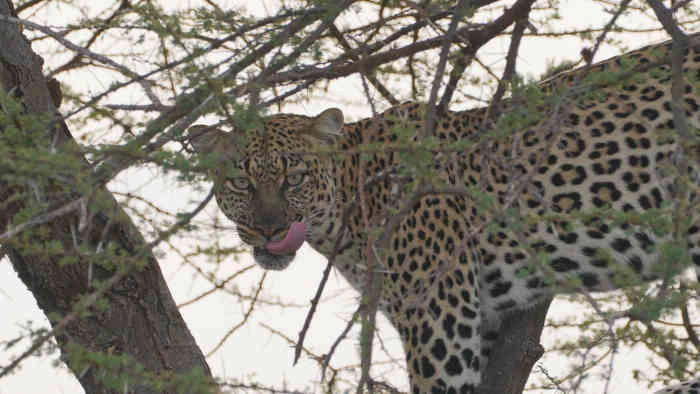
- Elephants and leopards: two of the reserve’s strongest wildlife attractions.
- Northern specialists: Grevy’s zebra, reticulated giraffe, Beisa oryx, gerenuk and lesser kudu.
- Lower visitor pressure: often quieter than neighbouring Samburu.
- Birding: more than 390 species are recorded across the combined Samburu–Buffalo Springs birding area.
Scenery & Habitats
Buffalo Springs protects gently rolling semi-arid plains south of the Ewaso Nyiro, broken by acacia woodland, termite mounds and riverine vegetation. Mountain backdrops frame the reserve, while the springs themselves form an attractive green and blue oasis within otherwise dry country.
Activities
Game drives are the principal reserve activity. Wildlife often concentrates around water during the dry season, while birding remains productive throughout the year. Some lodges offer guided nature or birding walks within their own properties. A combined itinerary with Samburu should be planned carefully because the reserves have separate administration and entry arrangements.
Wildlife
Wildlife in Buffalo Springs National Reserve
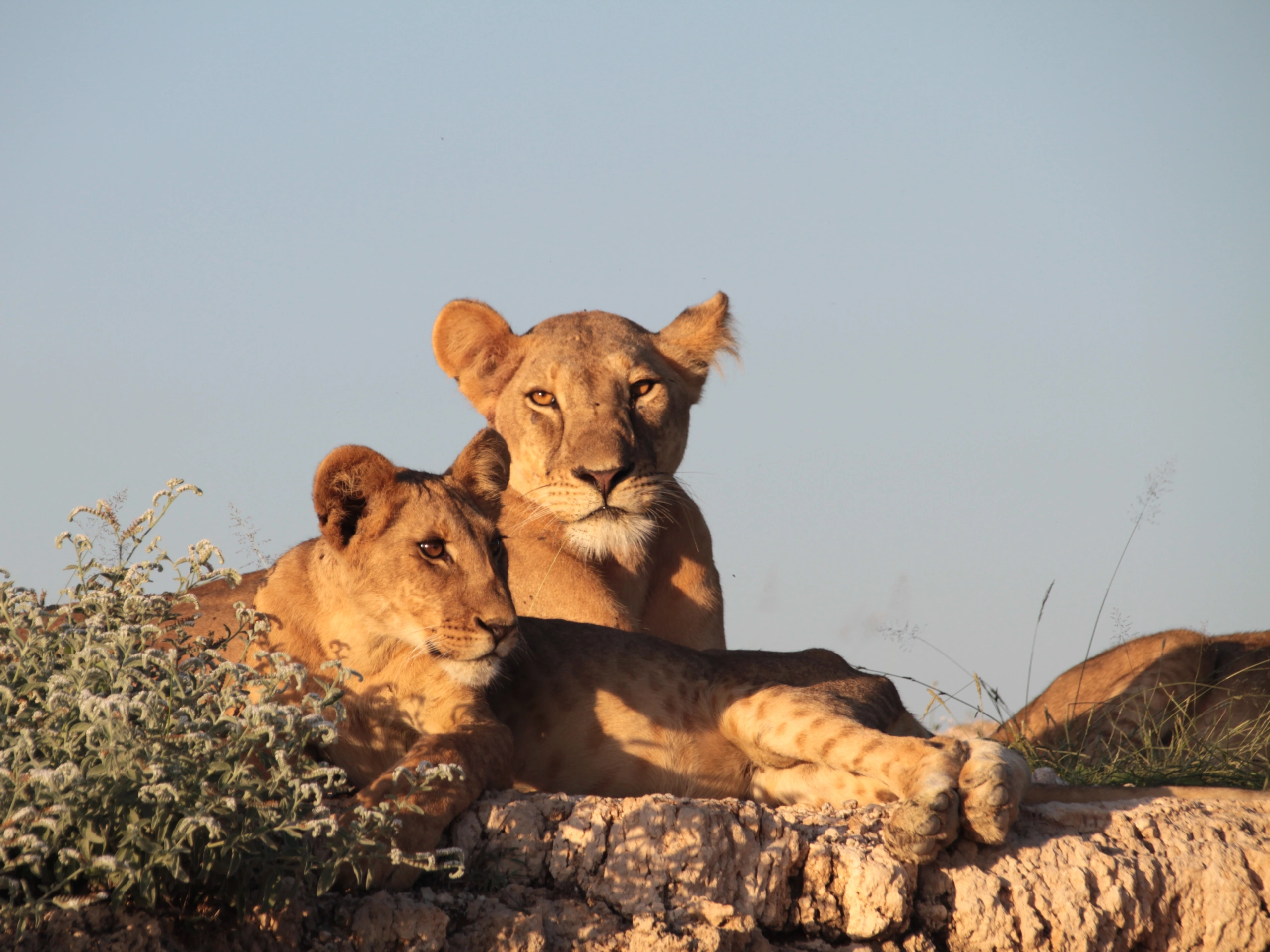
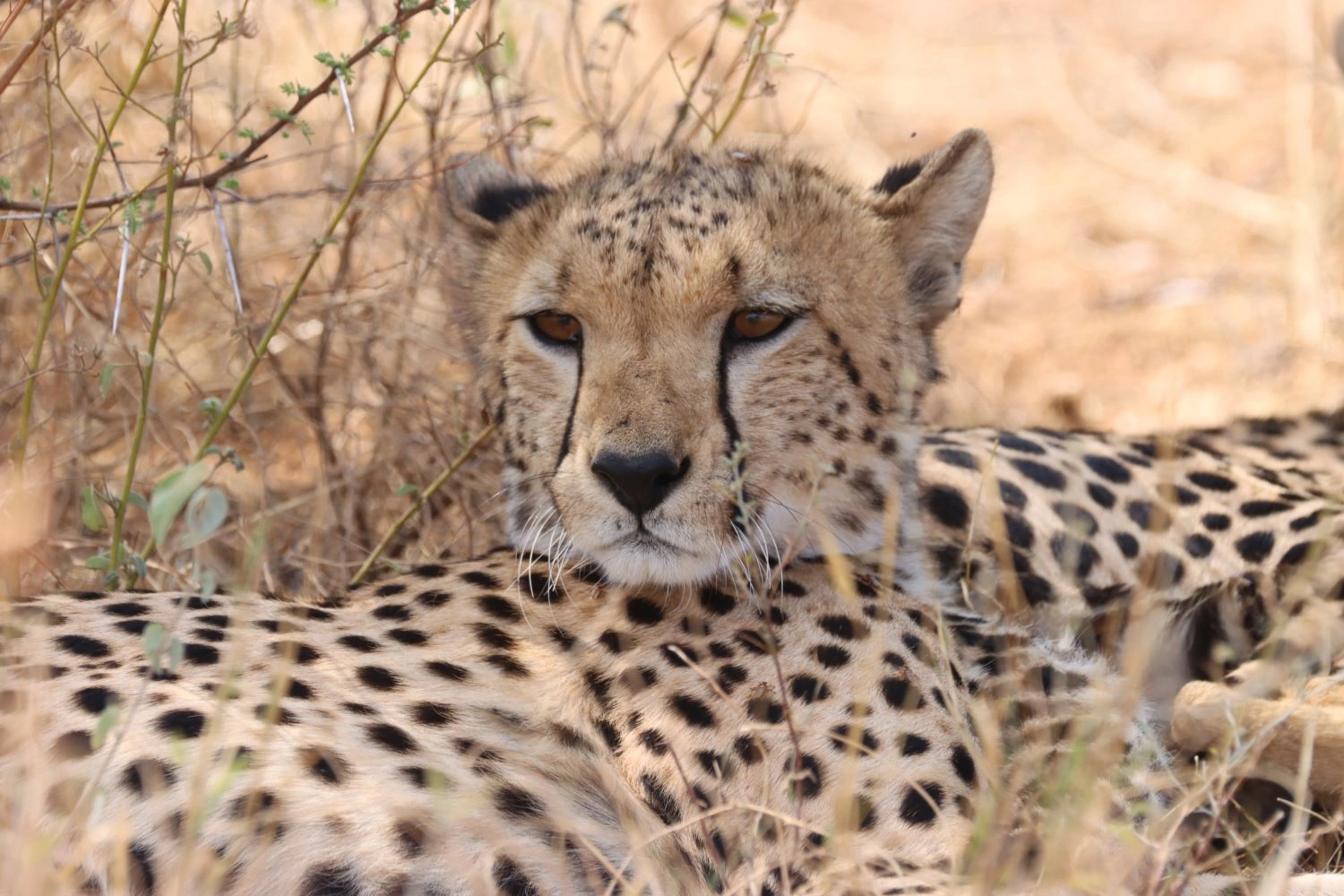
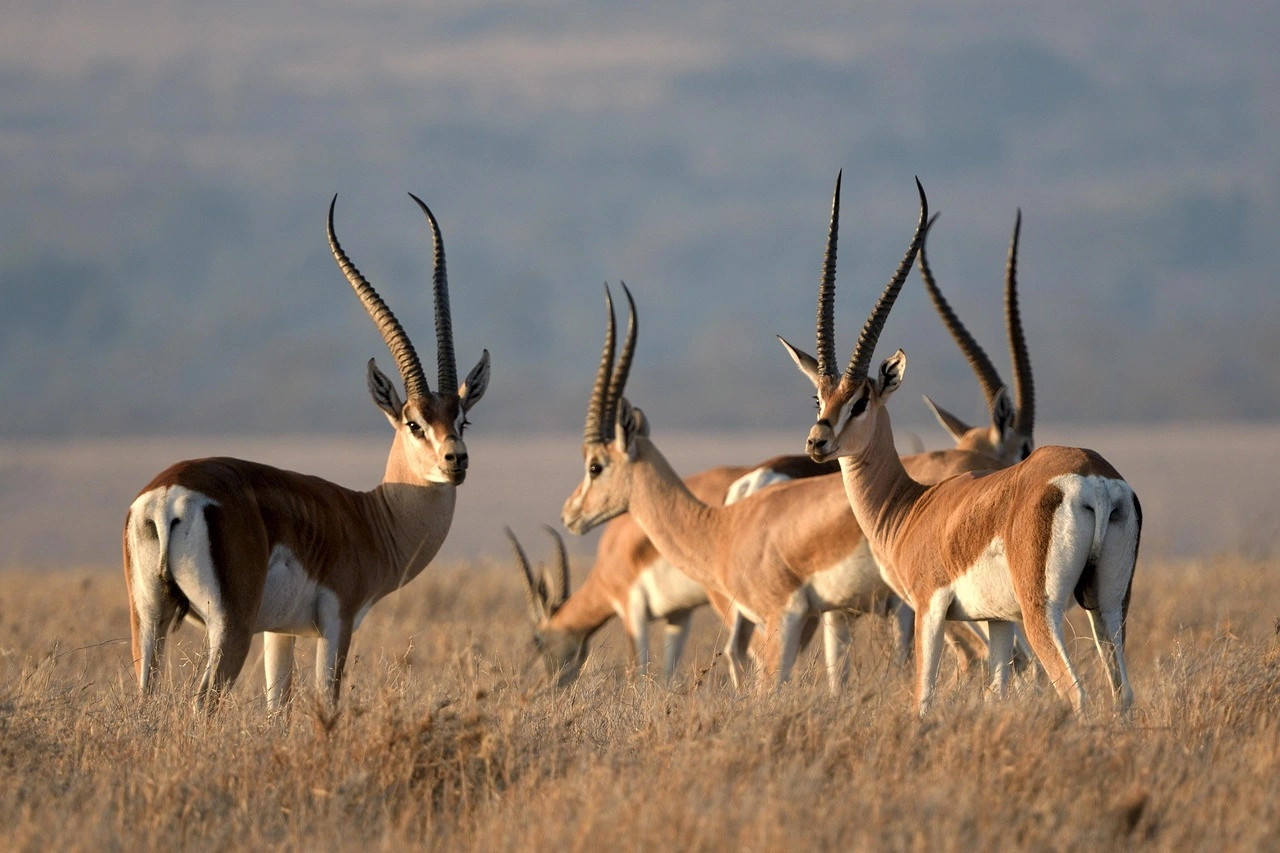
Buffalo Springs is excellent for elephant and can be very rewarding for leopard, especially around riverine cover and watercourses. Lion and buffalo occur, while the northern dry-country fauna includes Grevy’s zebra, reticulated giraffe, Beisa oryx, gerenuk and lesser kudu. Rhino are absent. The abundance labels below are editorial safari-planning guidance rather than population estimates.
AbundantCommonOccasionalRareNone
African Elephant
Abundant
 Leopard
Common
 Reticulated Giraffe
Common
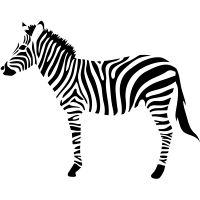 Grevy's Zebra
Common
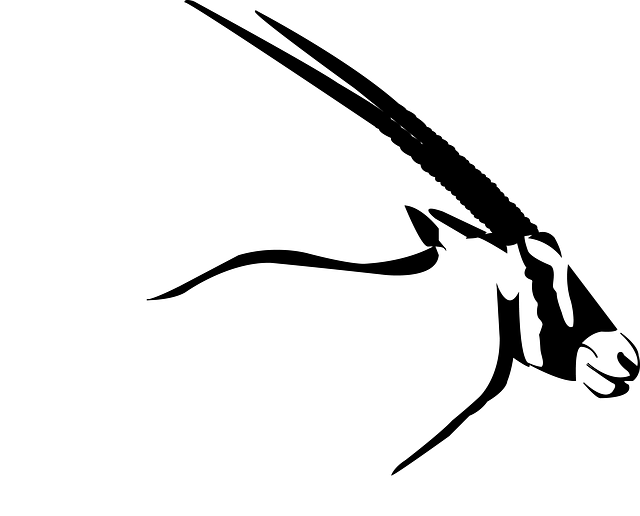 Beisa Oryx
Common
 Gerenuk
Common
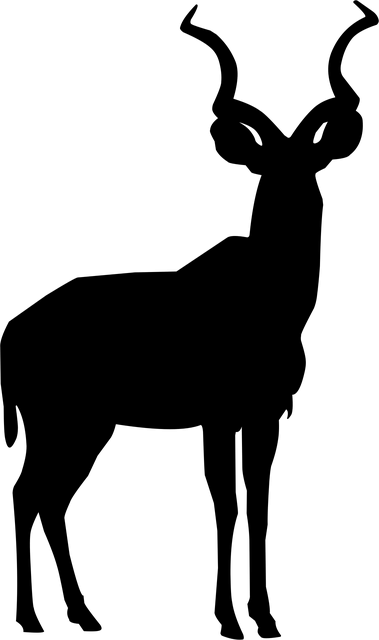 Lesser Kudu
Common
 African Buffalo
Common
 Lion
Occasional
 Cheetah
Occasional
 Grant's Gazelle
Common
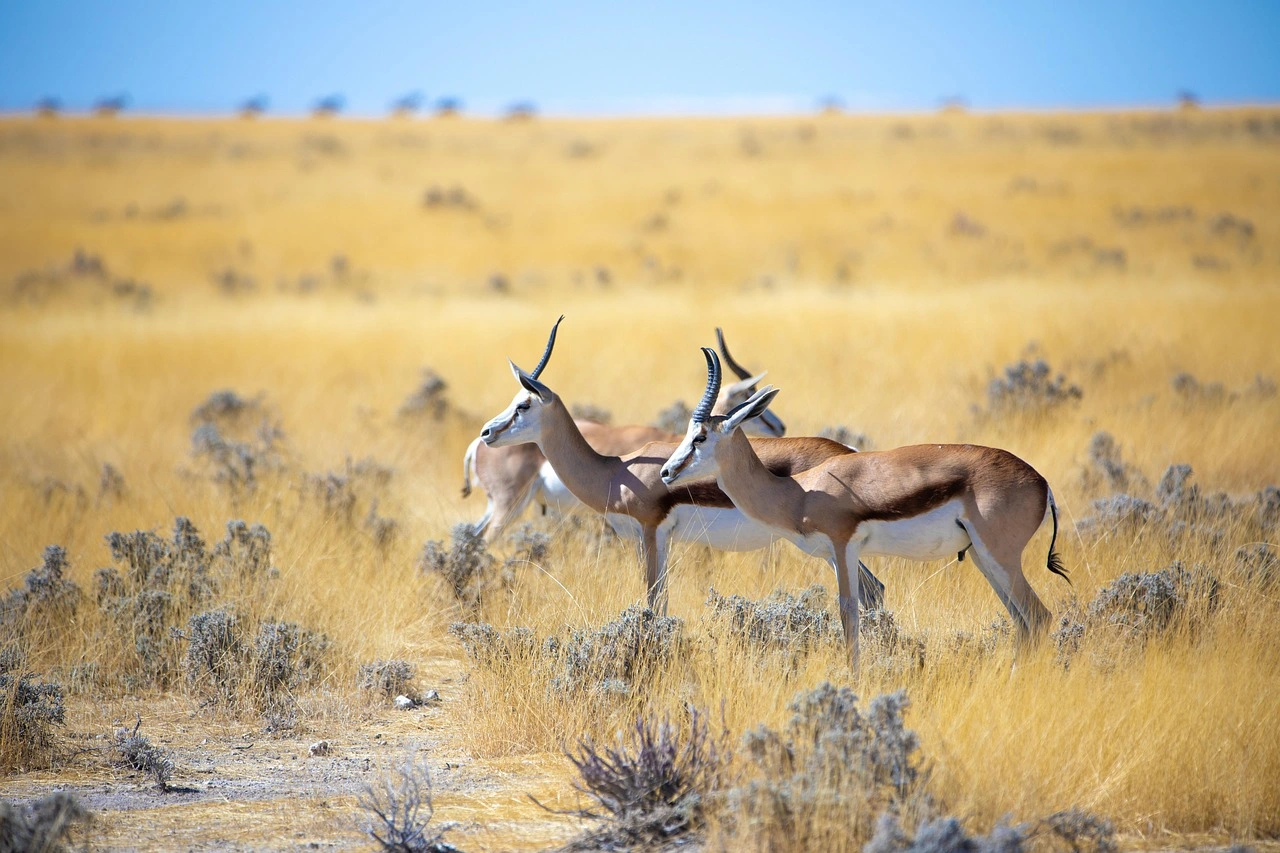 Impala
Common
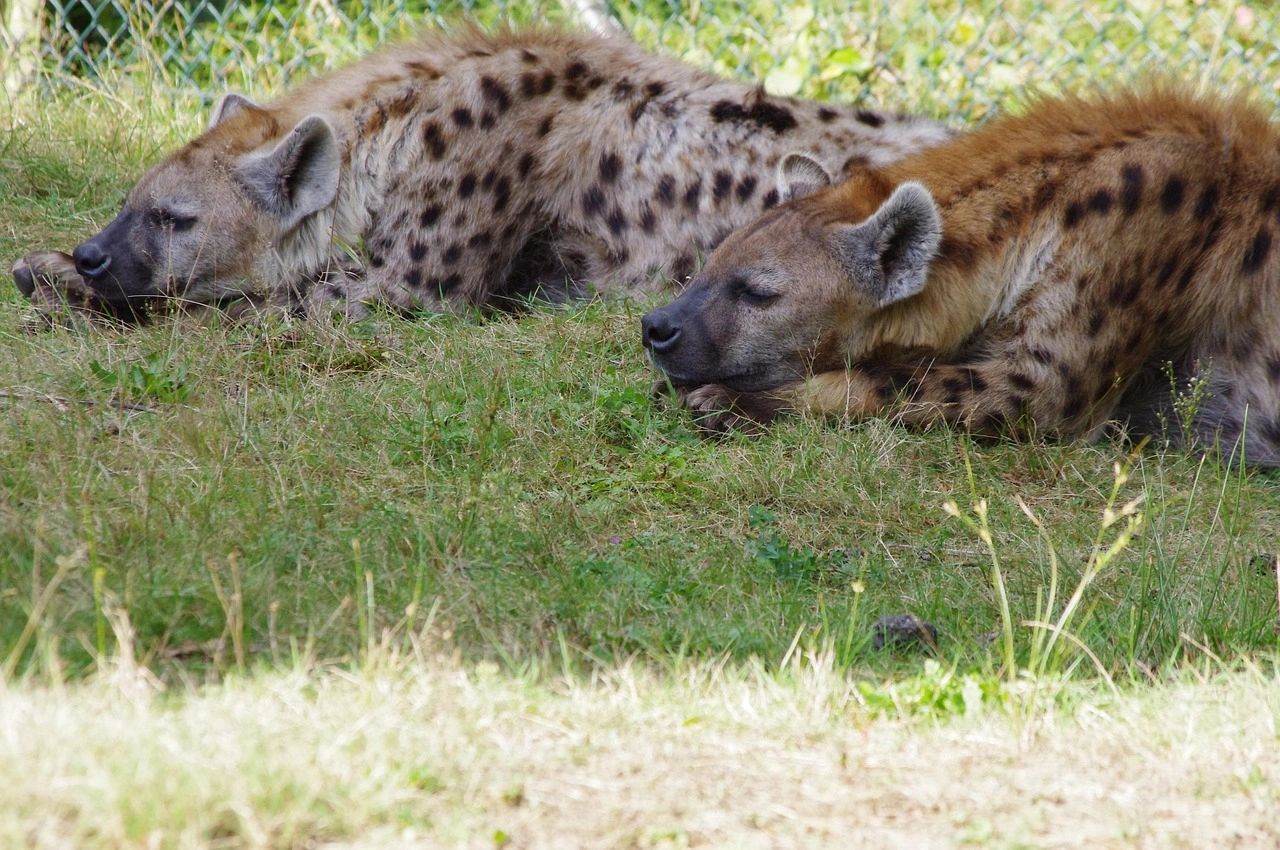 Spotted Hyena
Common
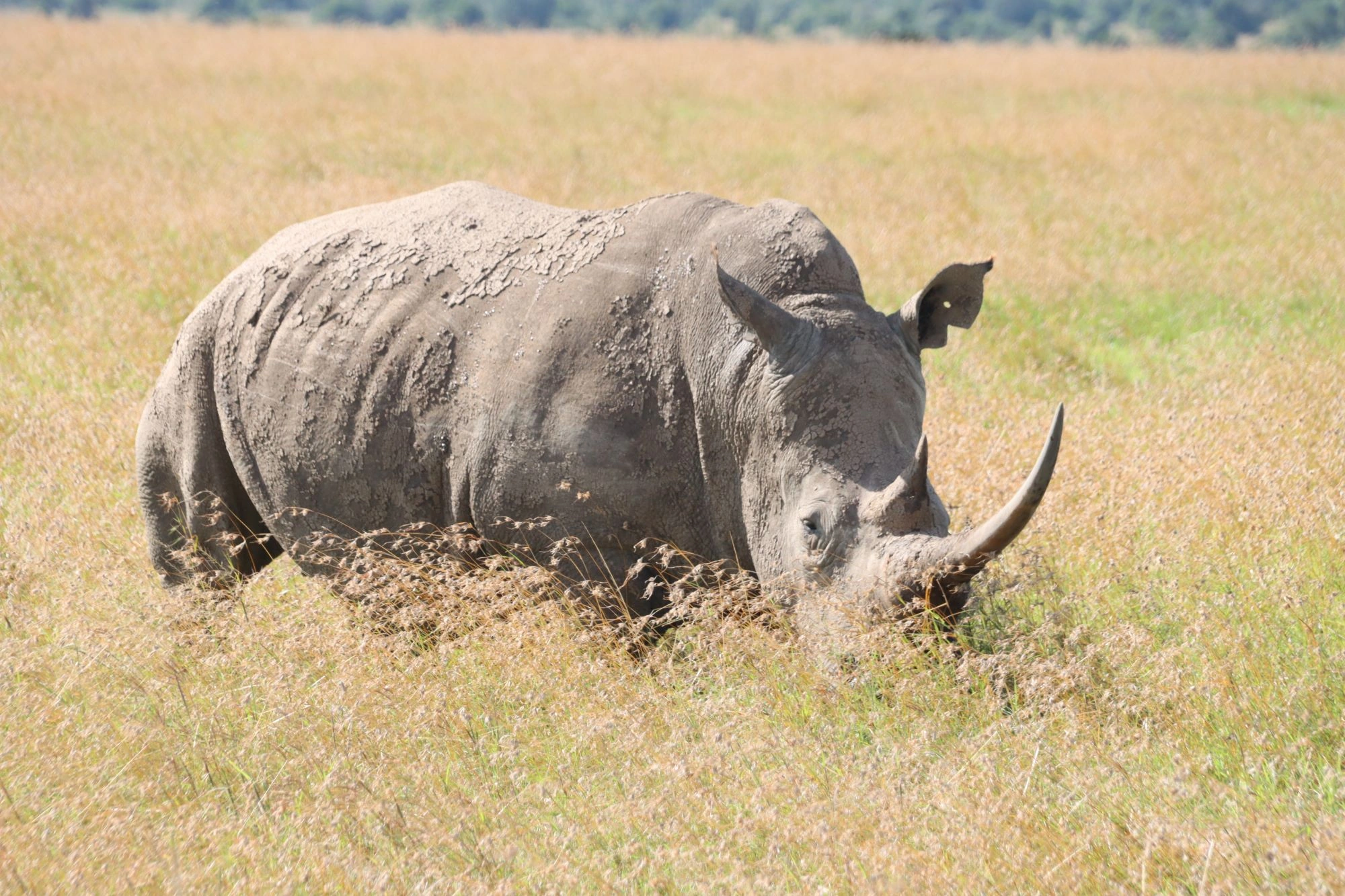 Black Rhinoceros
None
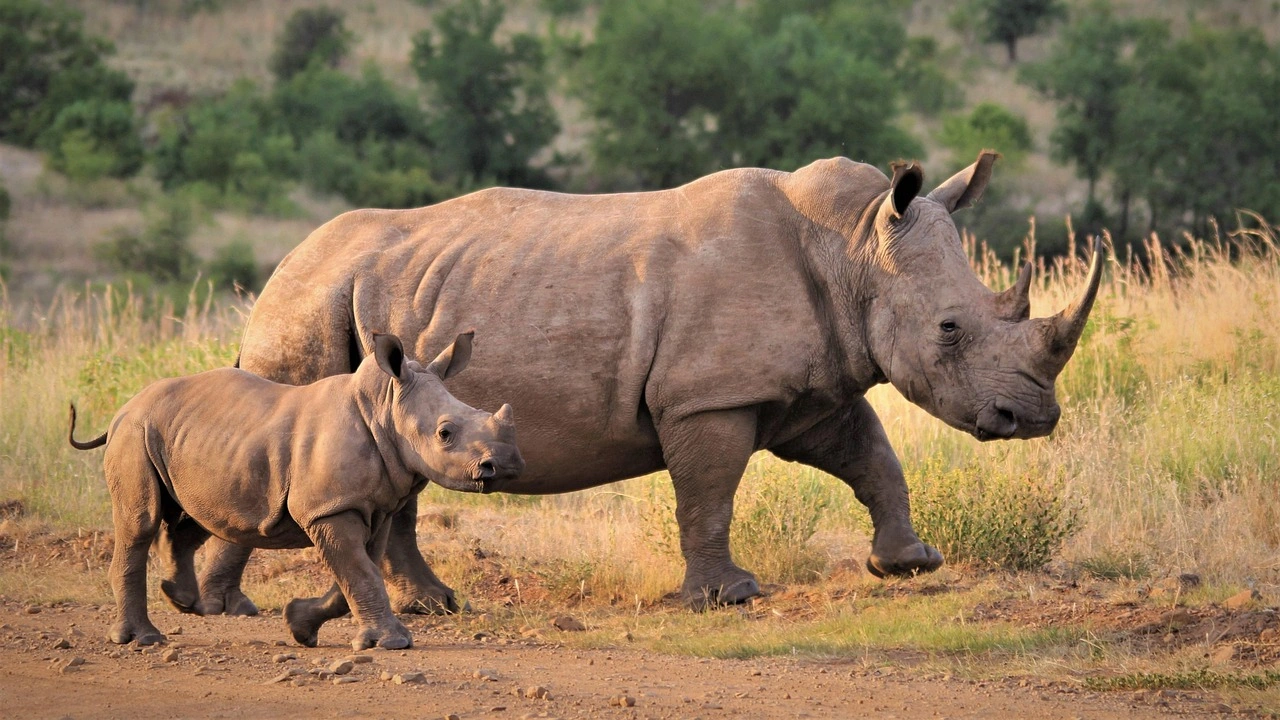 White Rhinoceros
None
Birding
Birds of Buffalo Springs National Reserve
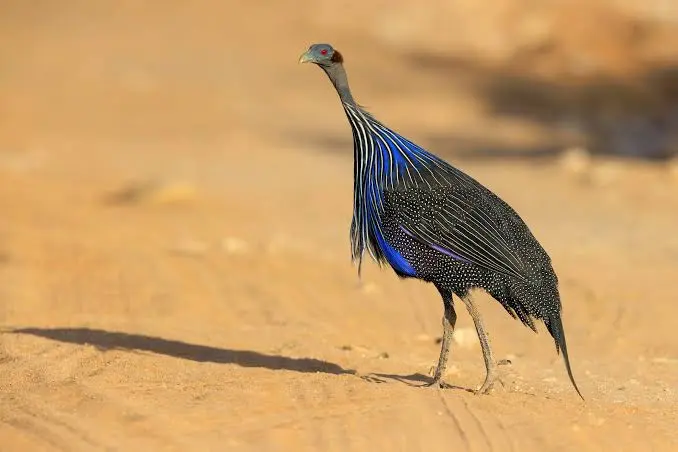
Buffalo Springs shares a birding landscape with Samburu, with more than 390 species recorded across the two reserves. Somali ostrich, vulturine guineafowl, Abyssinian ground hornbill and Egyptian vulture are among the species that make northern Kenya birding distinctive. Migratory species are mainly present from November to April.
Notable Birds in Buffalo Springs National Reserve
Black-capped Social Weaver
Common
Black-faced Sandgrouse
Common
D'Arnaud's Barbet
Common
White-bellied Bustard
Common
Birding Specials
Treats for avid birders(NE) near-endemic = mainly restricted to Kenya and neighbouring areas.
- Abyssinian Ground Hornbill
- Somali Ostrich
- Somali Bee-eater
- Rosy-patched Bush-shrike
- Rufous Chatterer
- Red-bellied Parrot
- Red-necked Falcon
- Von der Decken's Hornbill
- White-headed Mousebird
- Yellow-vented Eremomela
Planning by season
Best Time To Visit Buffalo Springs National Reserve
June to September and January to February are the strongest periods for general wildlife viewing. Dry conditions bring animals toward the springs, river and remaining water, while vegetation is less obstructive.
- June–September: dry and generally excellent for wildlife.
- January–February: hot but also productive for game viewing.
- November–April: greener scenery and excellent birding, with some disruption possible during heavier rains.
Climate guide
Weather & Climate
Buffalo Springs is hot for much of the year, though nights can be substantially cooler. June to September is typically very dry. January and February form another hot, relatively dry period, while rains usually occur around October–December and March–May. After rain the reserve becomes greener and clearer; in the dry season it is dusty but wildlife is easier to concentrate around water.
Route planning
How To Get To Buffalo Springs National Reserve
By road: Buffalo Springs is roughly 350 km north of Nairobi and is normally approached through Nanyuki and Isiolo. Road journeys commonly take most of a day.
By air: scheduled flights from Wilson Airport serve the Samburu–Buffalo Springs area. This is often the easiest option for shorter itineraries.
Reserve authority: Buffalo Springs is administered in Isiolo County rather than through the KWS national-park ticketing system. See the official Isiolo County Government portal and confirm the current reserve-entry and payment process before travel. If combining Buffalo Springs with Samburu National Reserve, treat them as separately administered reserves unless the authorities advise otherwise.
Map